26/004
CLAYA & ACT!
Architecture Offices
Marseille & Oslo
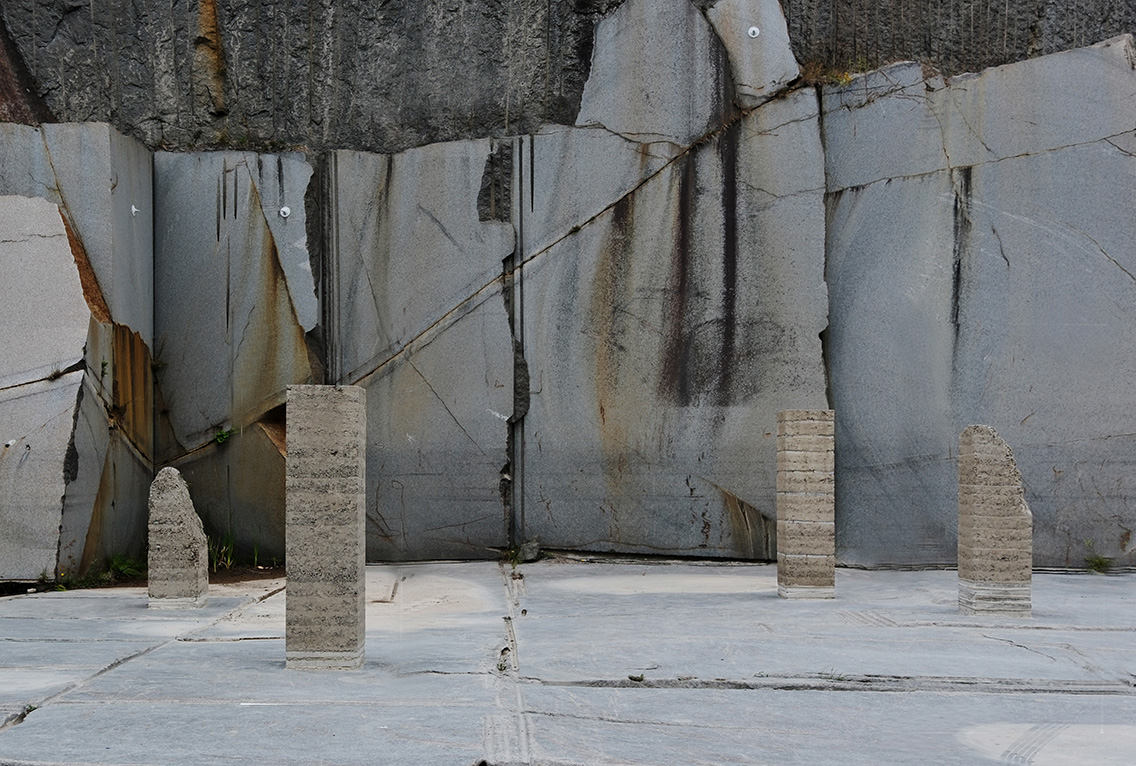
«Architecture is a powerful tool that materialises concepts into physical spaces.»
«Architecture is a powerful tool that materialises concepts into physical spaces.»
«Architecture is a powerful tool that materialises concepts into physical spaces.»
«Architecture is a powerful tool that materialises concepts into physical spaces.»
«Architecture is a powerful tool that materialises concepts into physical spaces.»
Please, introduce yourself and your studio/initiative…
We are ACT! and CLAYA, two offices based respectively in Oslo, Norway and Marseille, France + Germany. We worked together in 2024 for the Færderbiennale in Tønsberg as we connected through our common passion for earth and natural materials.
CLAYA is an architecture practice with studios based in Germany and Marseille, France, founded by us – Elisa and Babsi – in 2020. The studio's name, "CLAYA", a feminine name meaning "made from clay", represents our connection to earth as a building material. We explore clay across diverse fields, including knowledge transfer through workshops, design, and craft. Our work is driven by a strong belief in the material’s potential as a sustainable building resource for the future, and by a fascination with its unique characteristics and circularity.
ACT! is a franco-norwegian studio founded in 2021 by Armelle Breuil. Engaged about social, spatial and climate justice, the studio explores actions that can be taken within the field of architecture to tackle these issues. Our work encompasses architectural design with a focus on adaptation, natural materials and reuse; mediating architecture as away of raising awareness and empowering, and activism to investigate inequalities.
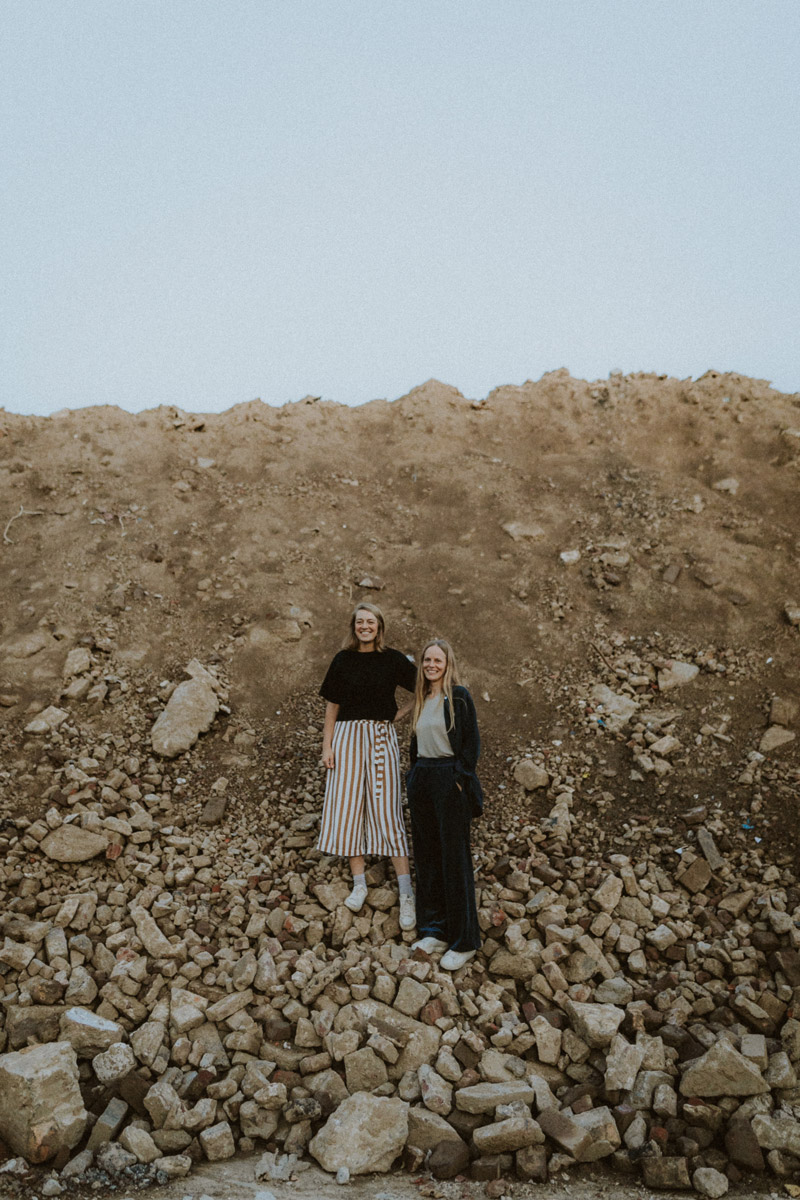
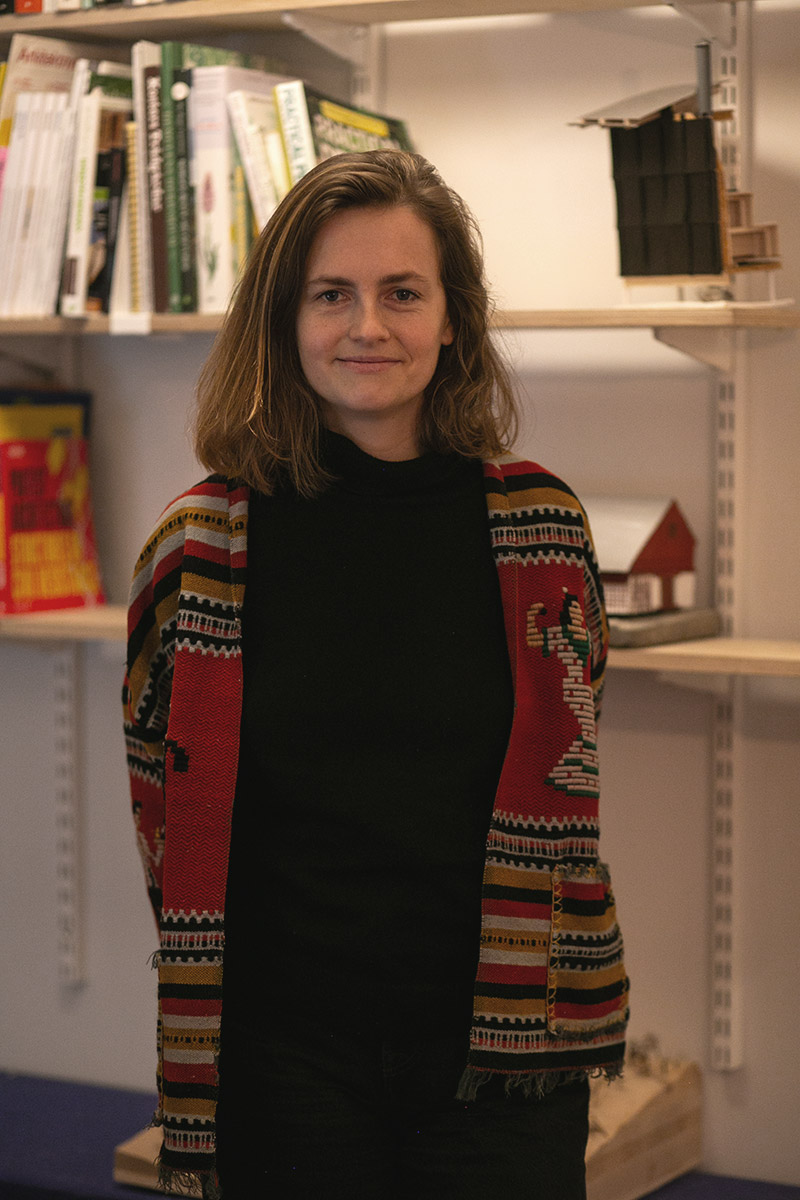
Portrait – CLAYA © zweimalzwei / ACT! Armelle Breuil © Torgeir Holljen Thon
How did you find your way into the field of architecture? What comes to your mind, when you think back at your time learning about architecture?
CLAYA: CLAYA grew out of a shared journey that began somewhat by chance. We both found our way into architecture through different paths, studying at TU Dortmund and the University of Innsbruck, neither of which focused heavily on sustainable building materials at the time. But before and during our studies, we had already gathered practical experience in craftsmanship: Elisa completed a carpentry apprenticeship, while Babsi worked on building sites. Focusing our practice on materials, one in particular drew our attention: earth. In 2019, our paths crossed during an internship at Lehm Ton Erde founded by Martin Rauch, which marked the beginning of many shared projects, a close friendship, and eventually the founding of CLAYA in 2020.
ACT!: For me the way into architecture was the desire to be a changemaker: I was interested in the social aspect of the field and working with a profession involved in “public interest” as I’ve been working as a volunteer with associations during my high school. My understanding about architecture evolved from being primarily about space making and its social aspects to biopolitics, wise material use and respect for the environment. It was a shock to realise that the access to architecture was very exclusive to a happy few humans. After two years of intense climate activism in 2018–2020, it became evident I had to start my own office allowing me truly to be as much activist as architect, ACT!.
What are your experiences starting your own project? Why did you decide working as a group together instead of working under your own name?
CLAYA: Our first project took place in Bahia, Brazil, where the artist Luis Casanova Sorolla is building the artist residency „Terra de cores“ using local materials. Together with the local workers, we constructed a rammed earth wall and floor. It was our first very small project, where we were involved in every step of the planning process: gathering materials, testing, guiding the workers on-site, as well as planning and constructing the formwork and the space itself. Suddenly, COVID-19 hit, and we both traveled back to Germany. During the quarantine period, we began converting a residential building to an art school in the Ruhr Area. From wall openings and installing wall heating systems covered with clay plaster (made from locally excavated material) to producing ceramic tiles with KARAK, and crafting wooden furniture, we used this time to live out our vision of architecture: uniting design and hands-on practice. This project drew the attention of many visitors attending painting lessons, who experienced a unique indoor climate and an unfamiliar design, which led to further commissions.
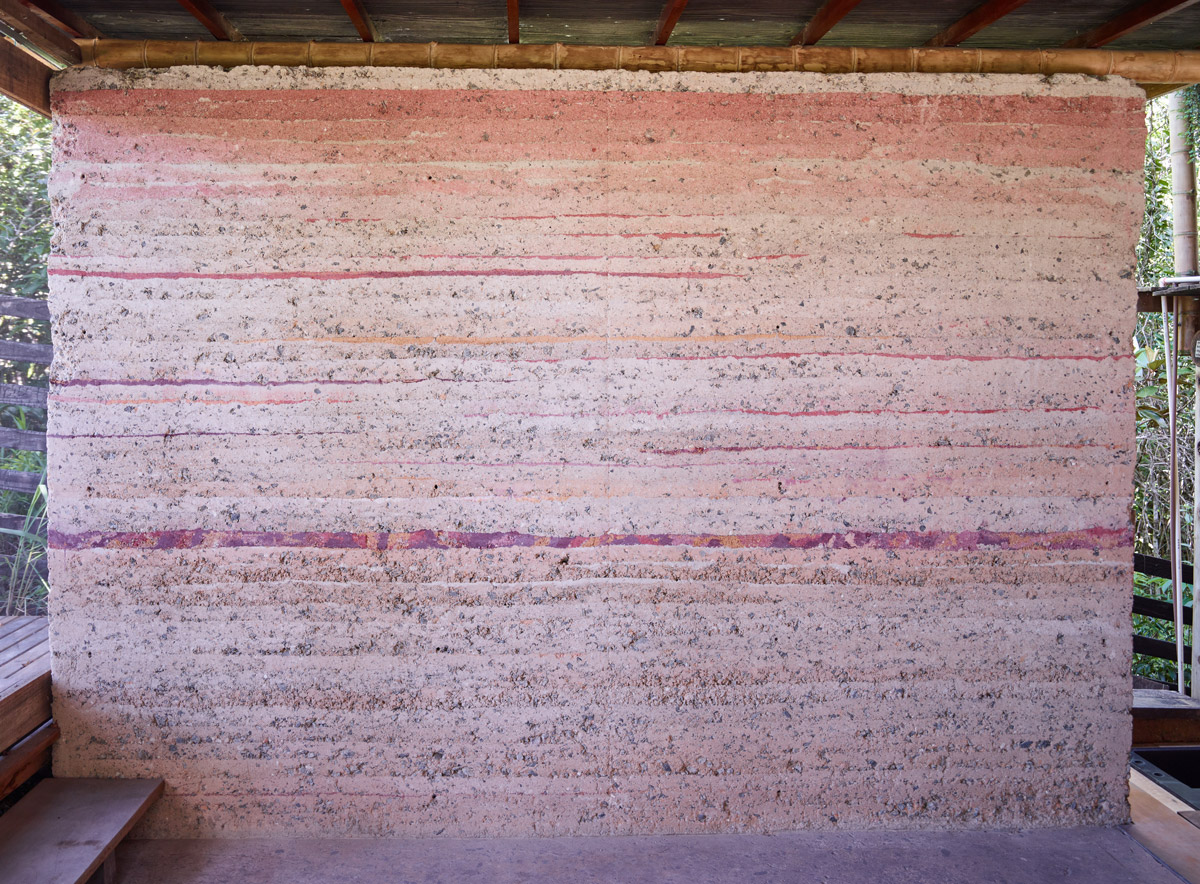
Load-bearing rammed earth wall in Brasil – © Luis Casanova Sorolla.
ACT!: Working as a group is always richer than working alone. My first projects in Oslo were released in collaboration with Axel Borhaven and Martin Håskjold Larsen, with a close collaboration with the carpenter Jonas Garson and Basil Gysi. For example the sauna “Bademaschinen" was very rich as we were involved in all aspects of the design since we wanted to focus on re-use. When starting ACT! I had the idea that the studio could be a collective. Yet, it’s hard to involve others in a start-up and I was always envious of people that started a collective right after school where they found their mate. I had the luck to be joined for two years by another engaged architect of my age, Rikke Winther, before we decided to collaborate in other ways from this year-on. The biggest challenge of starting on your own to me is to find clients that are willing to pay for your services, or fundings for self initiated projects. The best part in my opinion is all the new people one meets – for example CLAYA!
How important is networking in your work, and can you share an example of how it has influenced your practice?
CLAYA: For us, networking has been a crucial part of our journey. It has connected us to people, projects, and ideas that have had a significant impact on our work. A great example of this is how we connected with ACT!, who discovered us through the Kontextur studio list. This connection led to collaborations for the Færderbiennale in Norway 2024. The network in earth construction is relatively small, which is actually quite nice. In this niche, everyone knows each other, and the scene is very accessible. This has helped us navigate the broader world of architecture.
How do you remember your time as architectural employee/worker?
CLAYA: So far, we haven’t spent much time working in traditional architecture offices. Instead, we’re a classic case for the concept learning by doing. From the beginning, we’ve relied on a supportive network—and we’re just as happy to give back, sharing our knowledge when asked. What we’ve found in studios and on construction sites that focus on sustainable materials is a different kind of social interaction, one that is based on exchanging ideas without competitiveness, and a spirit of collaboration. We like the idea of an autonomous, small, women-led company. We are not just a studio that hands off completed designs; rather, we are motivated to take part in the building process of what we design, depending on the project size, of course.
ACT!: I had the chance to realise several nice internships and to work in two great offices in Oslo. My bosses in both offices were amazing as they took the time to answer my questions about the backstage of an office which helped me for starting on my own. The main transition for me was to realise that the employer wasn't necessarily the one blocking ideas, risk taking orcreation as I thought as an employee – our field is complex, full of regulations, difficult clients with tight budgets and … the economy of an architecture office is volatile!
What does your desk/working space/office look like at the moment?
CLAYA: We work either digital or directly on site. Our aim is to work more analog in an atelier that also offers space for storage and a showroom for materials.
ACT! is located in a cute storefront, together with other creatives. We have been renting this space for three years and we’ve rearranged it many times. If you’re in Oslo, come and say hi!
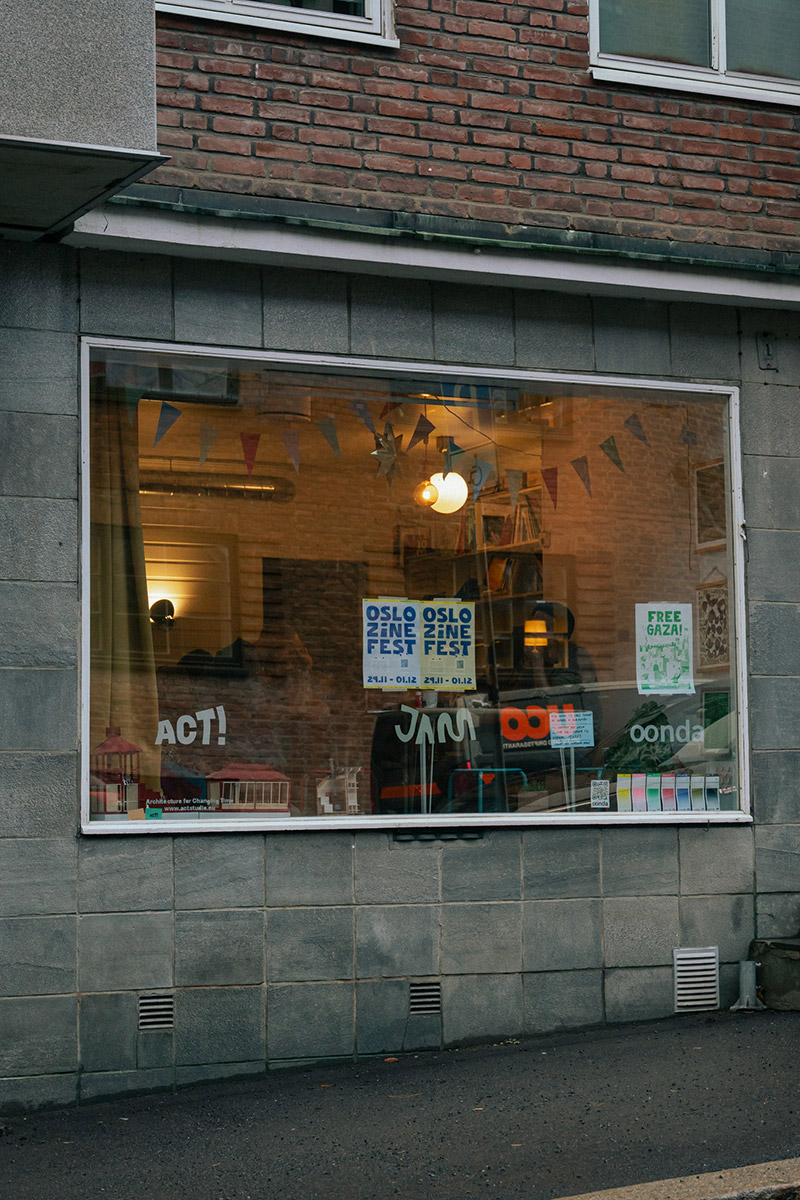
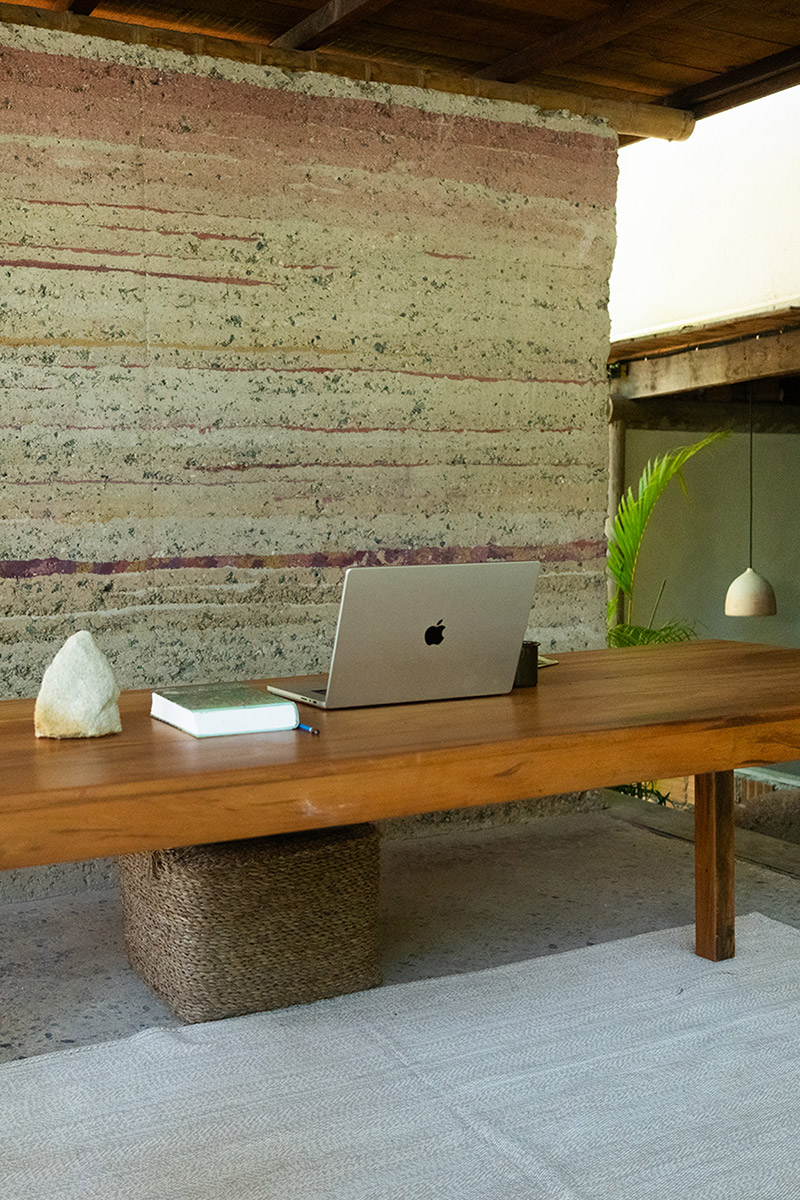
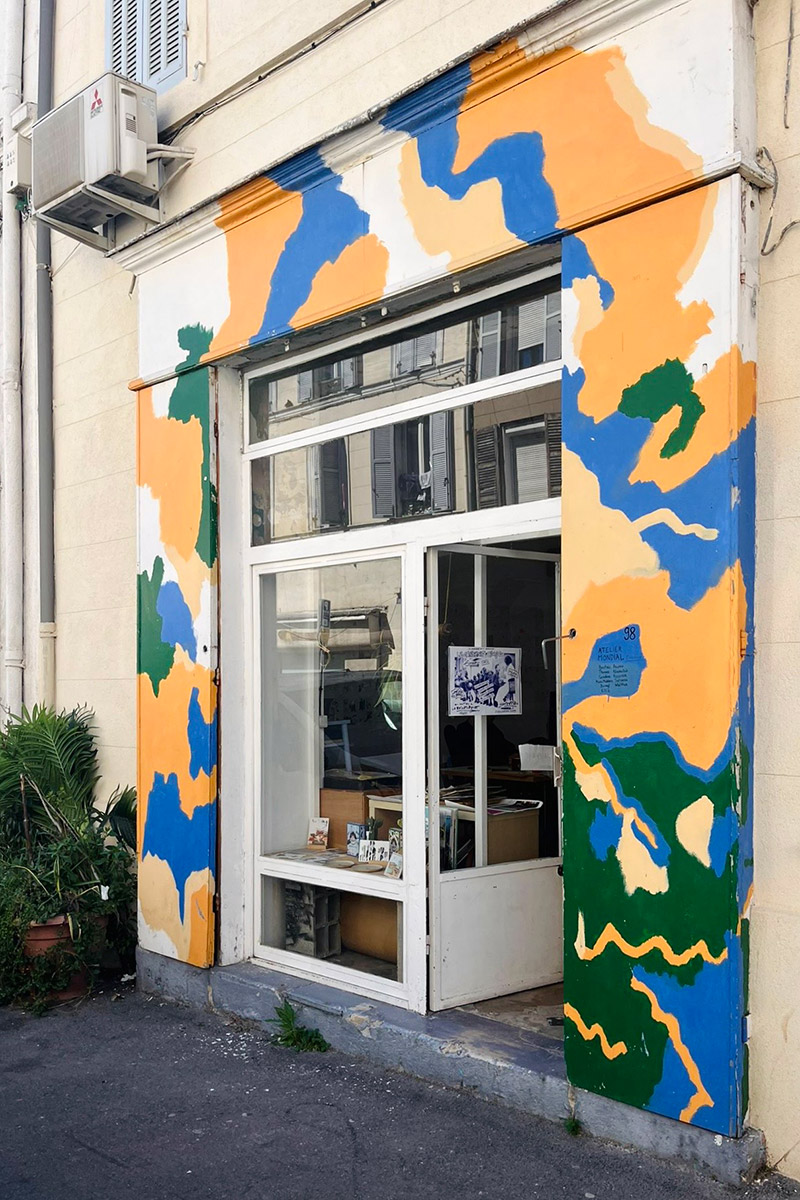
Working space – ACT! © Alexandra Gjerlaugsen – Oslo | CLAYA – Brazil and Marseille
What is the essence of architecture for you personally?
CLAYA: Our built environment directly affects our actions, relationships, and the way we work. For us, the essence of architecture lies in taking responsibility for people, nature, and culture, as it shapes not only our external surroundings but also our inner well-being, cultural identity, and ecosystem.
ACT!: Architecture is a powerful tool that materialises concepts into physical spaces. It can bring social and ecological change and help to create other narratives. It can also be used as a weapon to exclude or destroy the environment. Therefore architects have a great responsibility.
Name your favorite …
Book/Magazine:
CLAYA: Constructed Earth, Martin Rauch
ACT!: The dispossessed, Ursula Le Guin
Building:
CLAYA: Haus Rauch, Austria by Roger Boltshauser
ACT!: Casa Batlló, Barcelona by Gaudi
Mentor/Architect:
CLAYA: Hanno Burtscher (Earthman)
ACT!: A teacher who became a friend, Brent Patterson, an inspiring friend Emmanuelle Déchelette, my ex boss at Spacegroup Gary Bates.
Building material:
CLAYA: Earth
ACT!: Circular materials
Spatial Memory:
CLAYA: Celestial Staircase, Morocco by Hansjörg Voth
ACT: Mycket exhibition at the Oslo Architecture Triennale; Emanuel Vigeland's Musoleum at Slemdal
What needs to change in the field of architecture according to you? How do you imagine the future?
CLAYA: Taking earth construction as an example, we are convinced that a good balance can be struck between contemporary architectural practices and technological innovation, combined with ancient methods and ideas. Architecture should offer logical solutions that are both practical and sustainable, moving away from over-reliance on high-tech innovations and instead returning to low-tech systems. Another key goal is to ensure that no waste is left behind. Everything constructed should be designed for reuse in multifunctional ways, with earth serving as an example, being a material that has a lot of positive impacts for future generations. Now and in the future, it is time to cultivate a distinct architectural language for earth construction, one that must be rediscovered as we begin to relearn how to work with it.
ACT!: Imagine that… by 2050, architecture has fully embraced its role in climate adaptation. Since the global moratorium on new construction in 2026— started in Denmark a year earlier by Byggestopbevægelsen and extended to rest of the world by the collectives ACAN and Architects4Future —demolition is outlawed, and architects focus on repairing, reusing, and transforming existing structures. Architectural education now centers on natural materials like earth, straw, and mycelium, and on developing skills for repair, adaptation, and care. Inspired by the reparative visions of Zosia Dzierżawska and Charlotte Malterre-Barthes, architects are deeply embedded in communities, guiding citizens through the challenges of climate change, designing new forms of collective living, and regenerating the built environment with care and craft.
One of the profession’s greatest victories came with the global realization of housing as a human right. Despite climate-driven displacement, every person now has access to shelter. Private transports are history; cities are pedestrian, with global public transport networks reaching even the most remote places. In Europe, collective housing has become the standard, replacing profit-driven models with systems of mutual support and shared resources. Hunger has faded through communitygardening in urban green spaces—sustained by weekly contributions from residents. Architects in 2050 don’t just build; they cultivate systems of solidarity, repair, and resilience.
What essential actions do we need to take as architects now regarding a more sustainable future for everyone?
CLAYA: An important step would be to internalize the environmental impacts of construction materials, such as CO2 emissions, over their entire lifecycle into their pricing structure. By reflecting these impacts in material costs, holistically sustainable building materials would naturally become more economically viable. Moreover, we need to critically question the practice of demolition. Existing buildings should be preserved and adapted wherever possible, rather than being torn down.
Renovation and transformation of existing structures are not only more resource-efficient but also essential for minimizing waste and conserving embodied energy. Supportive political and legislative frameworks are needed to incentivize sustainable choices. These include policies that prioritize life cycle assessments, promote the reuse and recycling of materials, and discourage short-term, cost-driven decisions that overlook long-term ecological impacts.
In addition, addressing these challenges demands closer collaboration across disciplines. Insights from environmental science, material research, sociology, anthropology, and even agriculture can offer valuable perspectives on how we build and what we value in our built environment. Establishing such interdisciplinary approaches—especially in architectural education—should become standard practice. Only by integrating diverse forms of knowledge can we develop the tools and mindsets needed for a truly sustainable and socially responsible architecture.
If there were one skill you could recommend to a young architect to study in depth at architecture school: what would it be and why?
CLAYA: If there were one skill we could recommend to a young architect, it would be the connection between materials and design. Gaining hands-on experience on construction sites, both before and after studies, is essential. Tactile experiences bring projects a richness of atmosphere and depth. By giving greater emphasis to tactile experiences, we do not only conceptualize materials during the planning process, but also engage with them physically andexperience them firsthand. This approach allows us to develop a deeper understanding of their properties and theirimpact on the built environment—especially with regard to climate protection and creating healthy living environments.
What is your favorite tool to design/create architecture and why?
CLAYA: We love working with rough models and sketches. A simple sketchbook, where you’re not afraid to draw the first line. Using basic materials like paper or clay models allows us to make mistakes and experiment freely.
ACT!: Sketches, color pens and collages. Lately reusing model as a way to free my mind from the computer program.
What person/collective or project do we need to look into right now? Recommend any office/architect/artist that you find inspiring:
CLAYA: ERDEN, Studio Mediterranee, Peter Zumthor, ZRS Architekten Ingenieure and Cecilia Vicuña, Andy Goldsworthy, re:arc institute, atelier Régis Roudil
ACT!: Exutoire, Mould.earth, Vincent Dumay, ACAN, Léa Hobson
Project 1
Borrowed Land
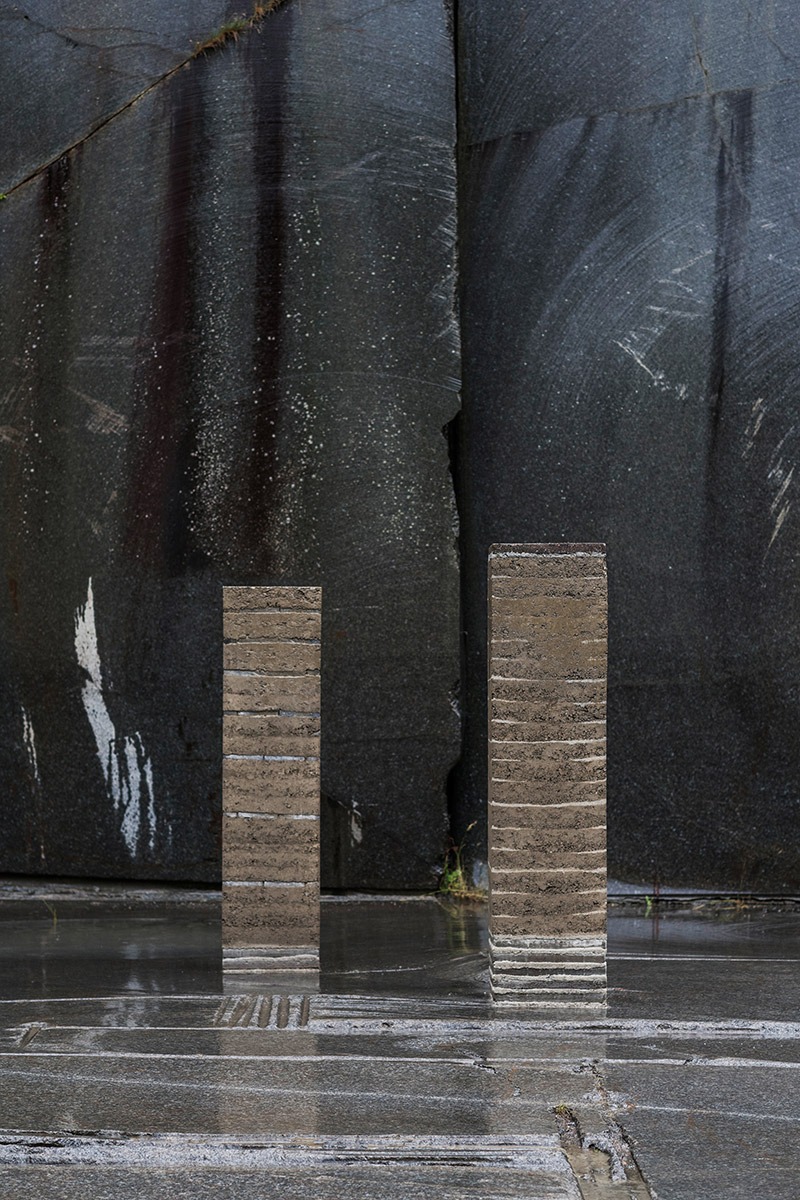
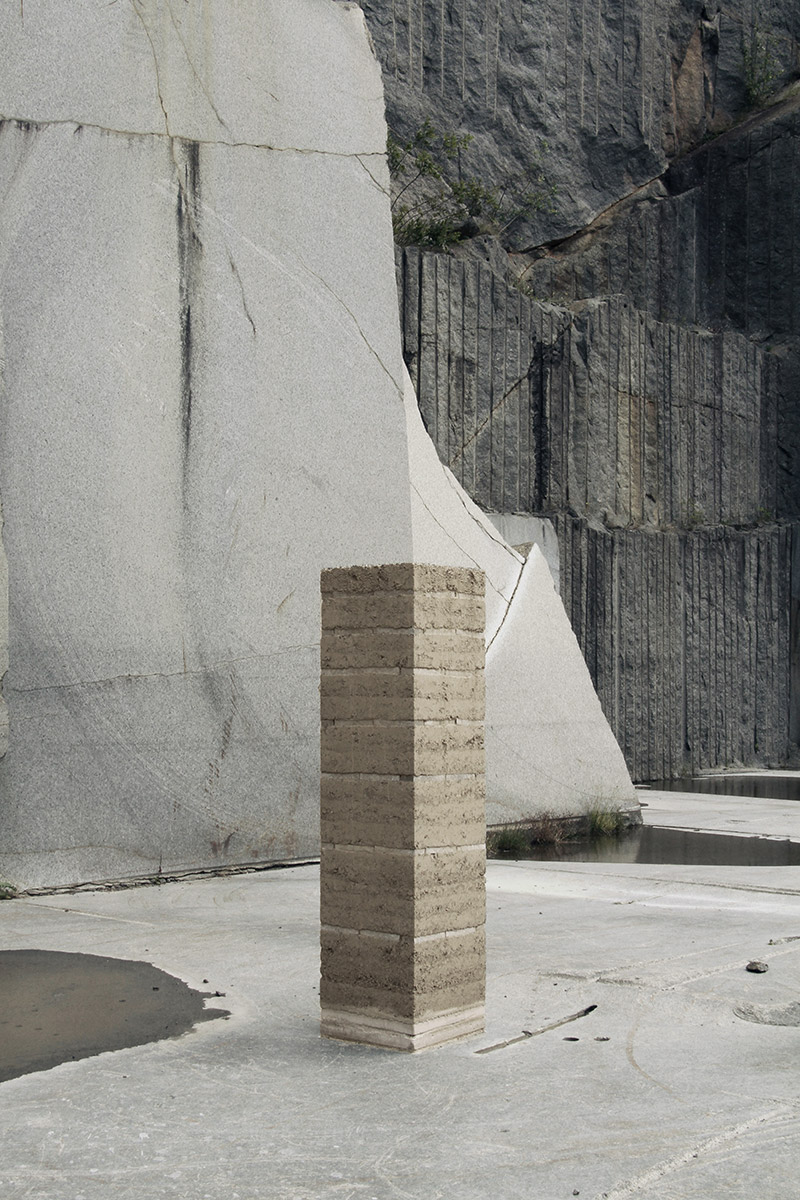
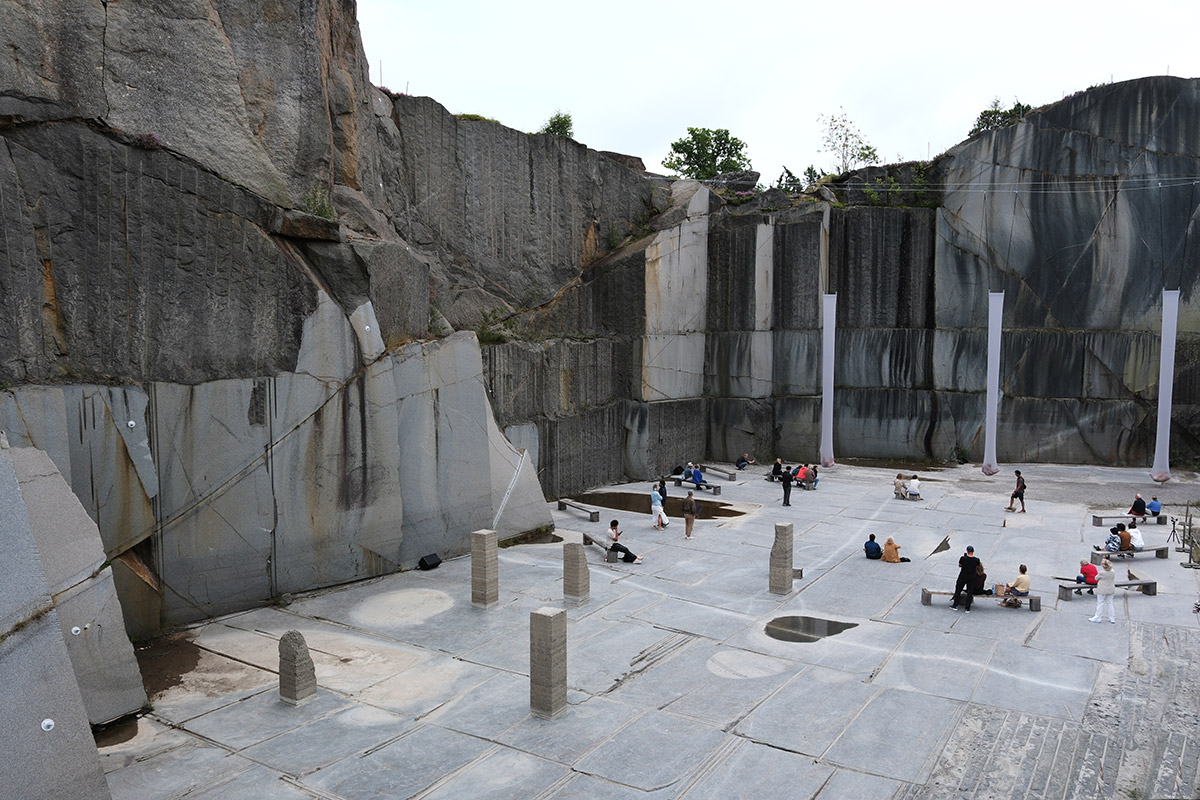
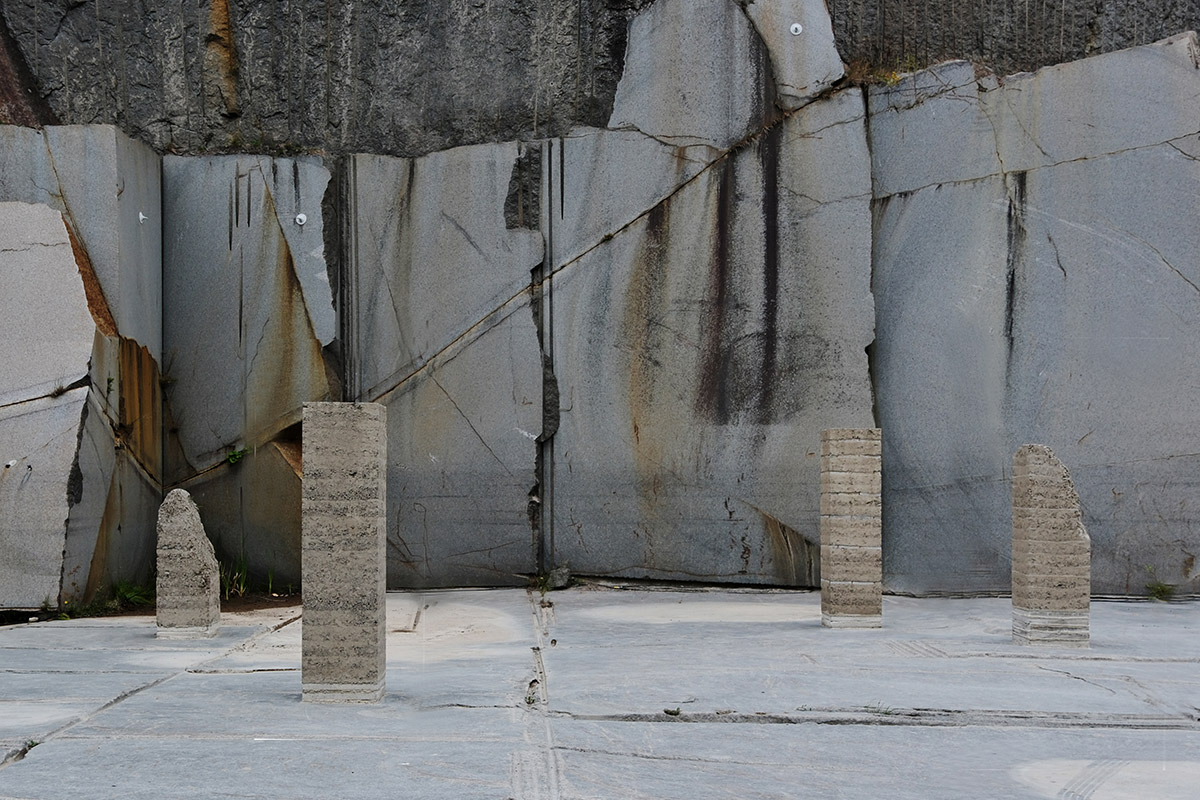
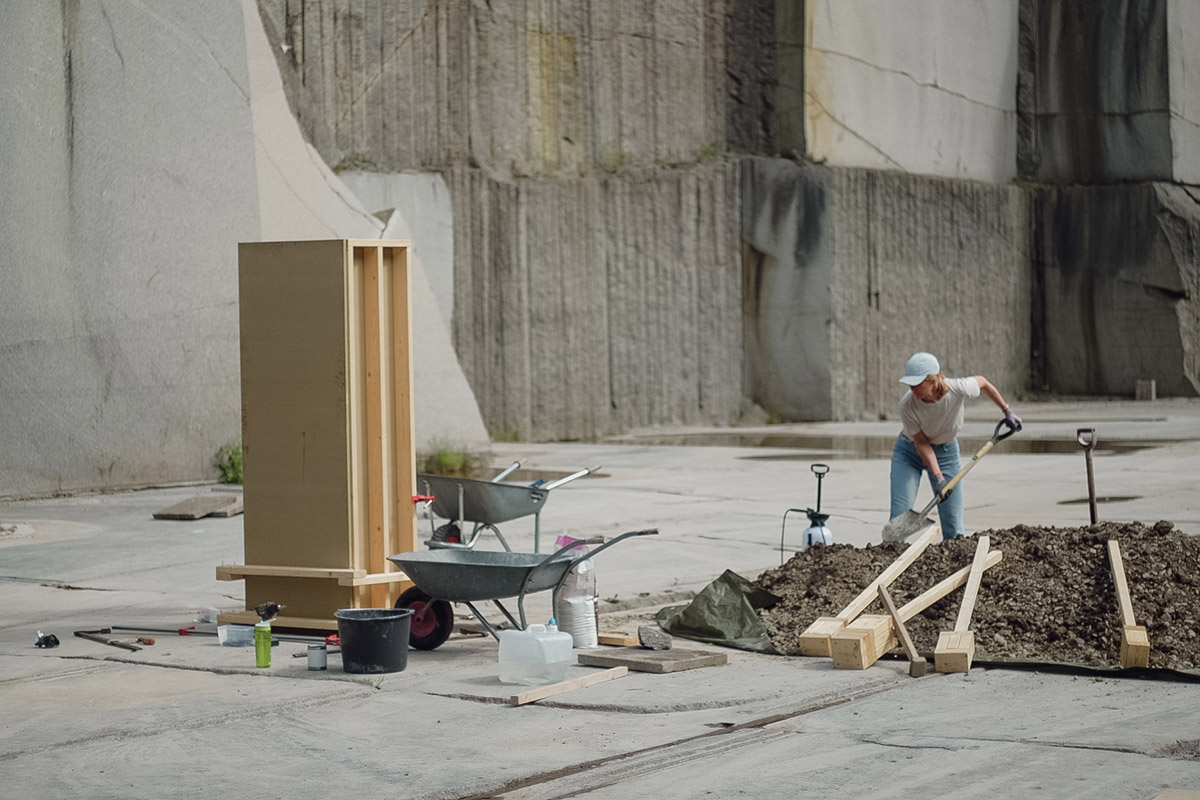
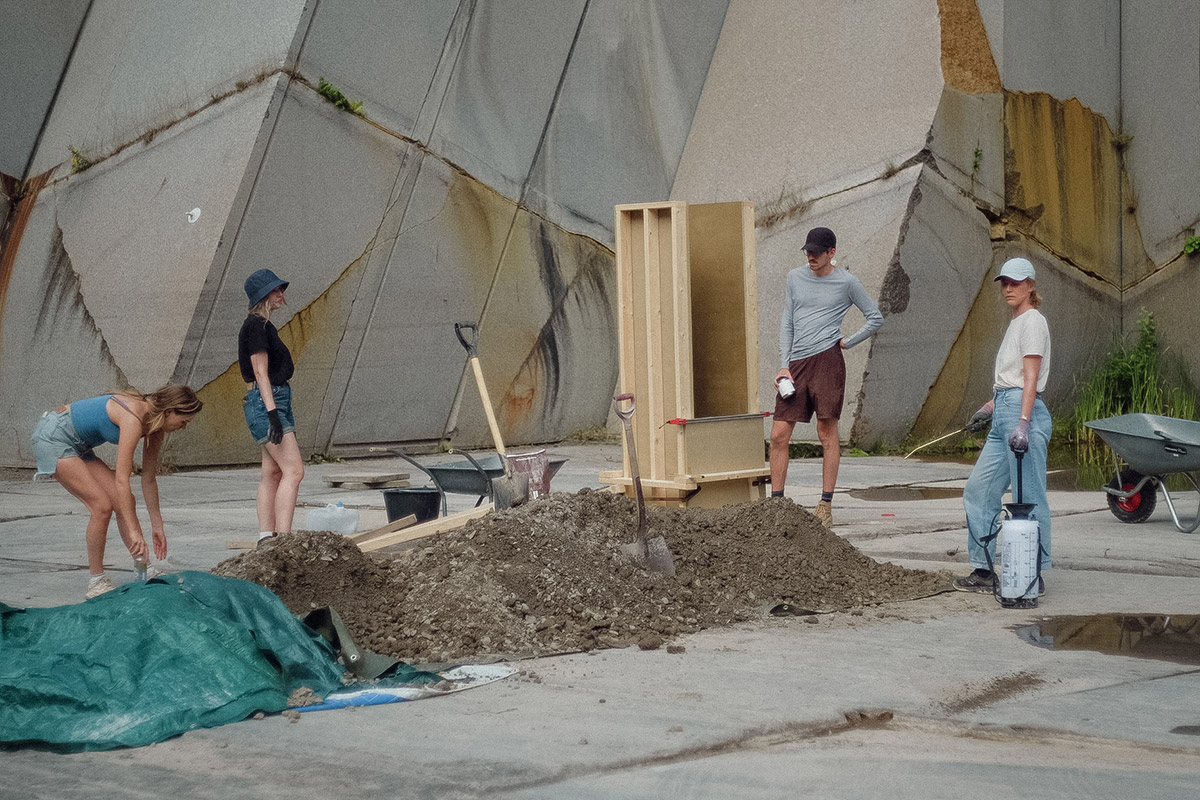
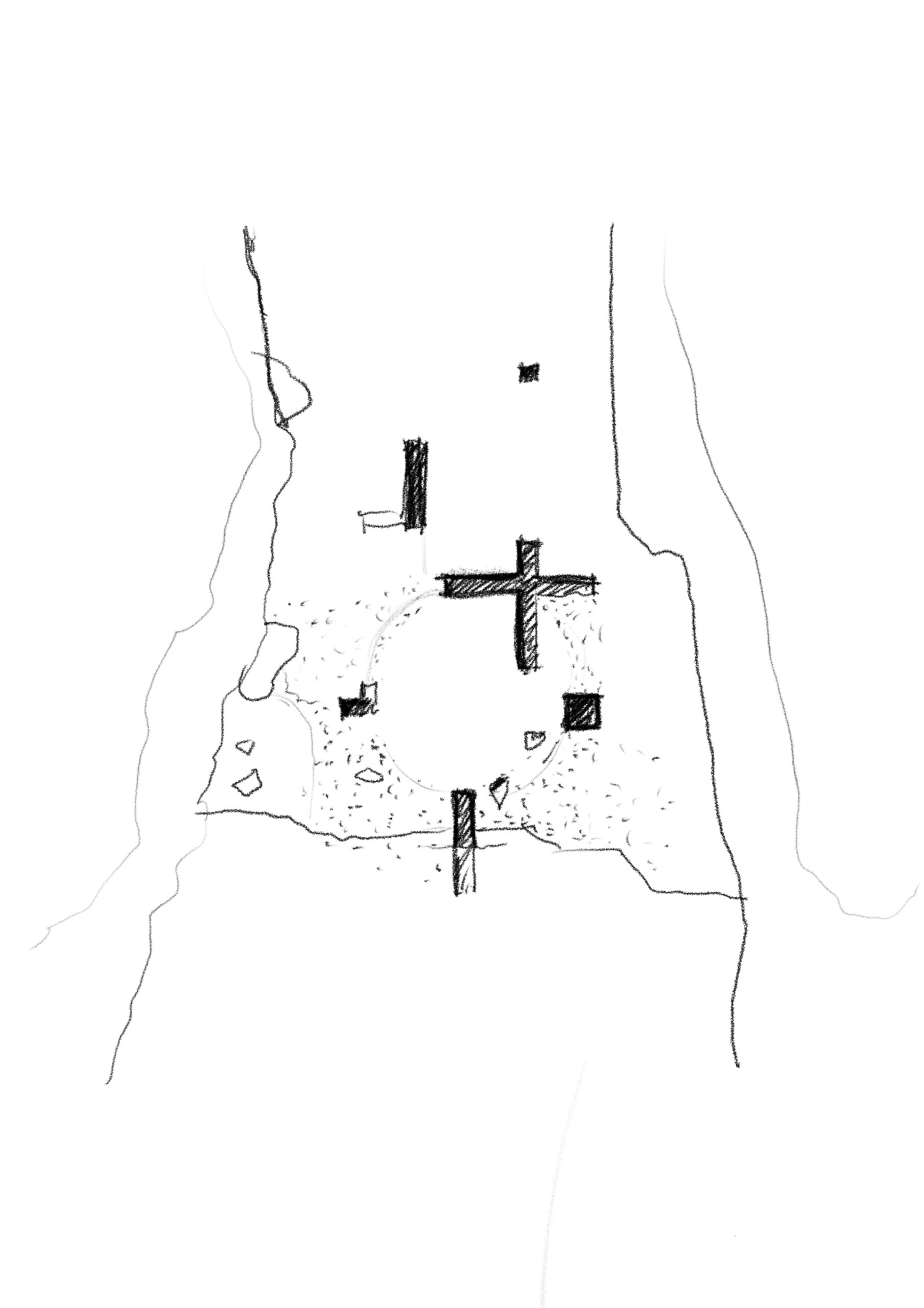
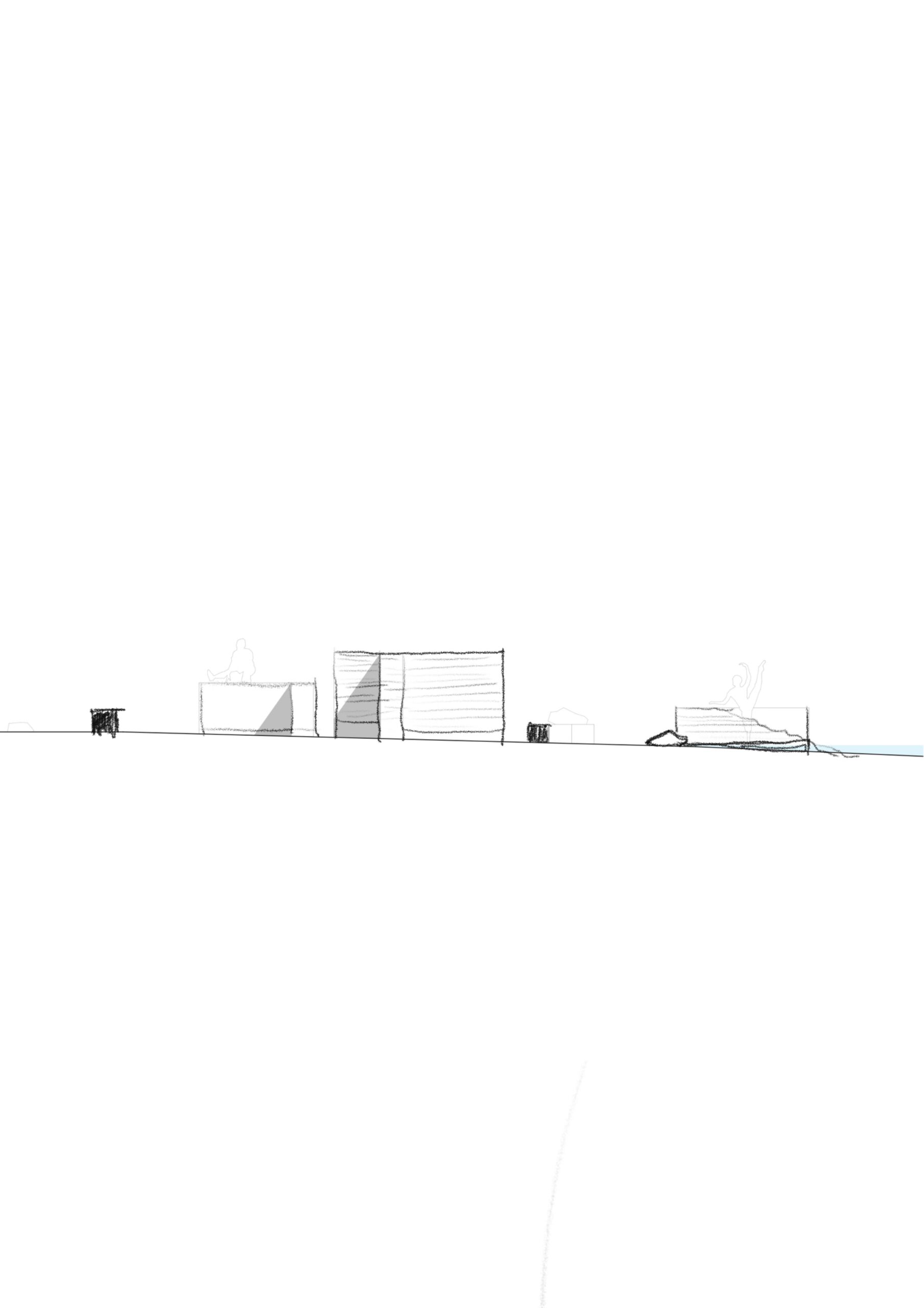
ACT! with Rikke Winther, Ask Holmen and CLAYA won the open call for the Færderbiennale in April 2024 with the project ‘Borrowed land’, an installation consisting of rammed earth columns. The Færderbiennale is an internationalfestival for site-specific dance and architecture, initiated in 2022 by a collective of architects and performing arts curators based in Oslo and Tønsberg. This year's festival took place from July 28th to August 10th at selected locations in Tønsberg and Færder.
Earth breathes; it stores warmth or releases coldness and has the ability to connect people to their natural surroundings. It is a timeless and circular building material, with rich historic traditions as one of humanity’s oldestbuilding materials. Often considered as a waste from the building industry, the project aims to reveal the potential and beauty of earth as a raw material.
Through experimentation with different earth compositions and densities, by using an ancient earth buildingtechnique called rammed earth, ‘Borrowed land’ demonstrates how the material responds to natural forces such as rain, wind and sun. It embraces the notion of decay and circularity, crafting spatial and sensuous scenarios.
‘Borrowed land’ explores the relationship between the built environment, climate crisis, and environmental degradation. Central to the project is the recognition of the natural landscape as a finite resource as well as the issues created by extractivism. Using local materials, such as clay and stones deposited by ancient glaciers, the crafted architectural components are deeply rooted in the land, to which it can decay and merge back into after it has served its purpose. In the context of soil depletion, the project explores concepts of circularity and degradation, contemplatingthe notion of borrowing resources rather than taking, and returning them back to the earth.
Photography: © Sophie Koenig, Bruno Giliberto, Armelle Breuil
Installation
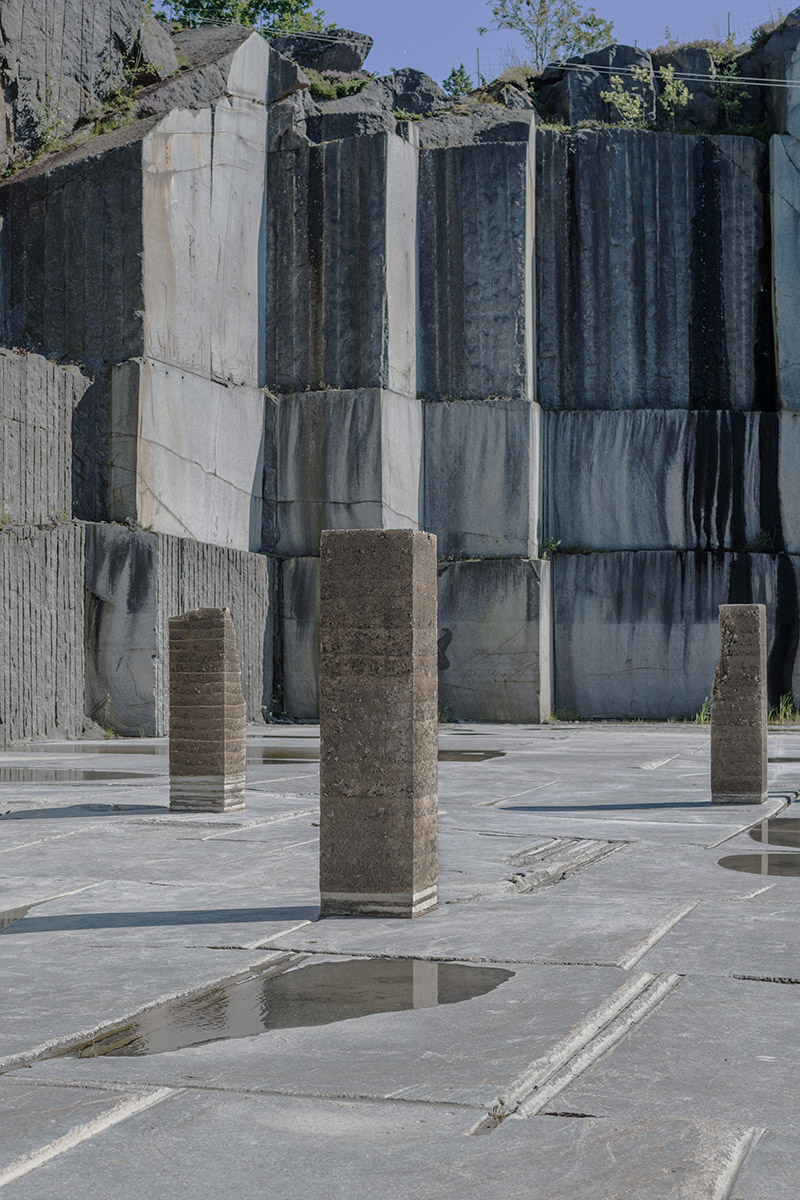
Building Phase
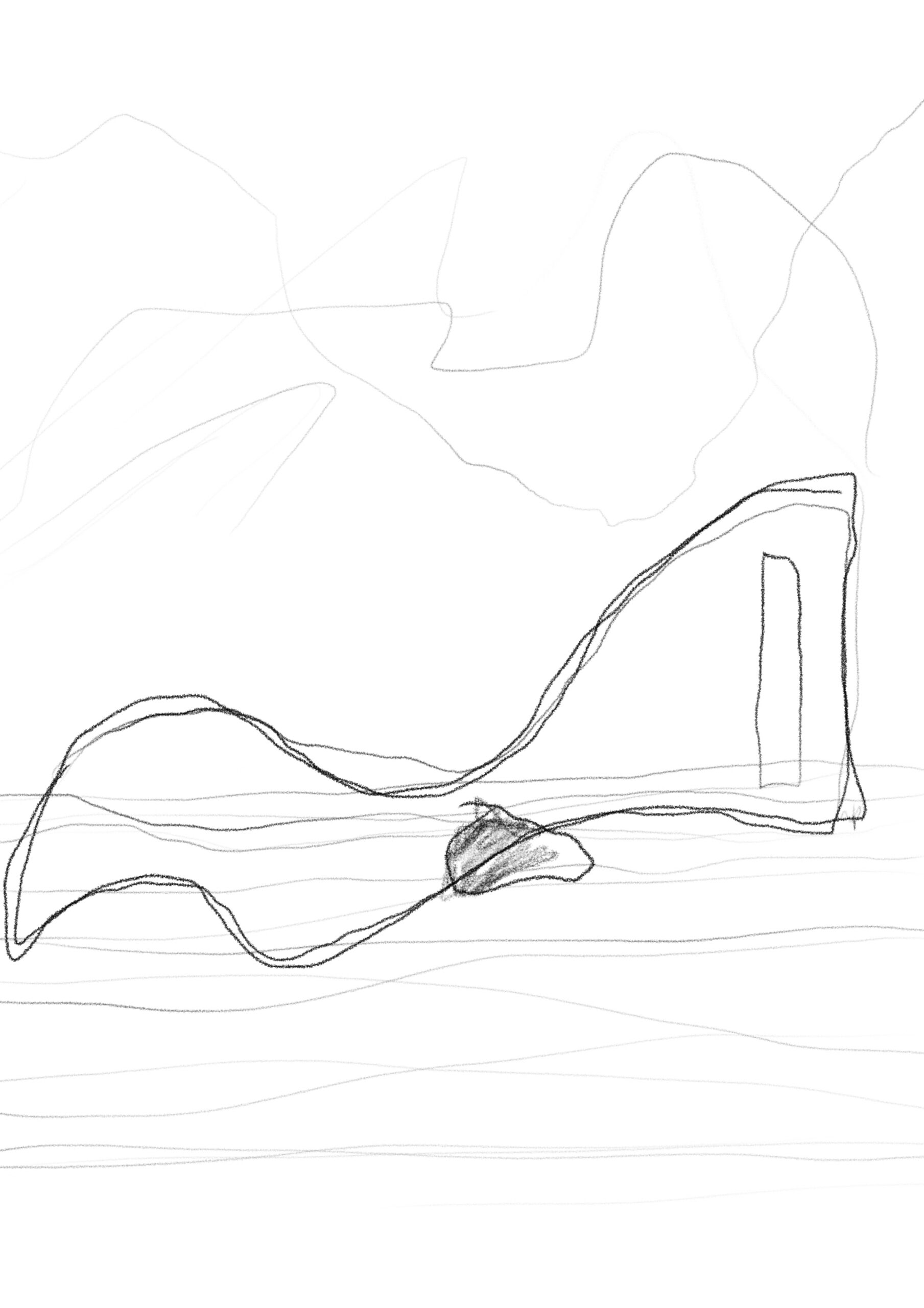
Drawings
Project 2
Bademaschinen with Borhaven Arkitekter by ACT!
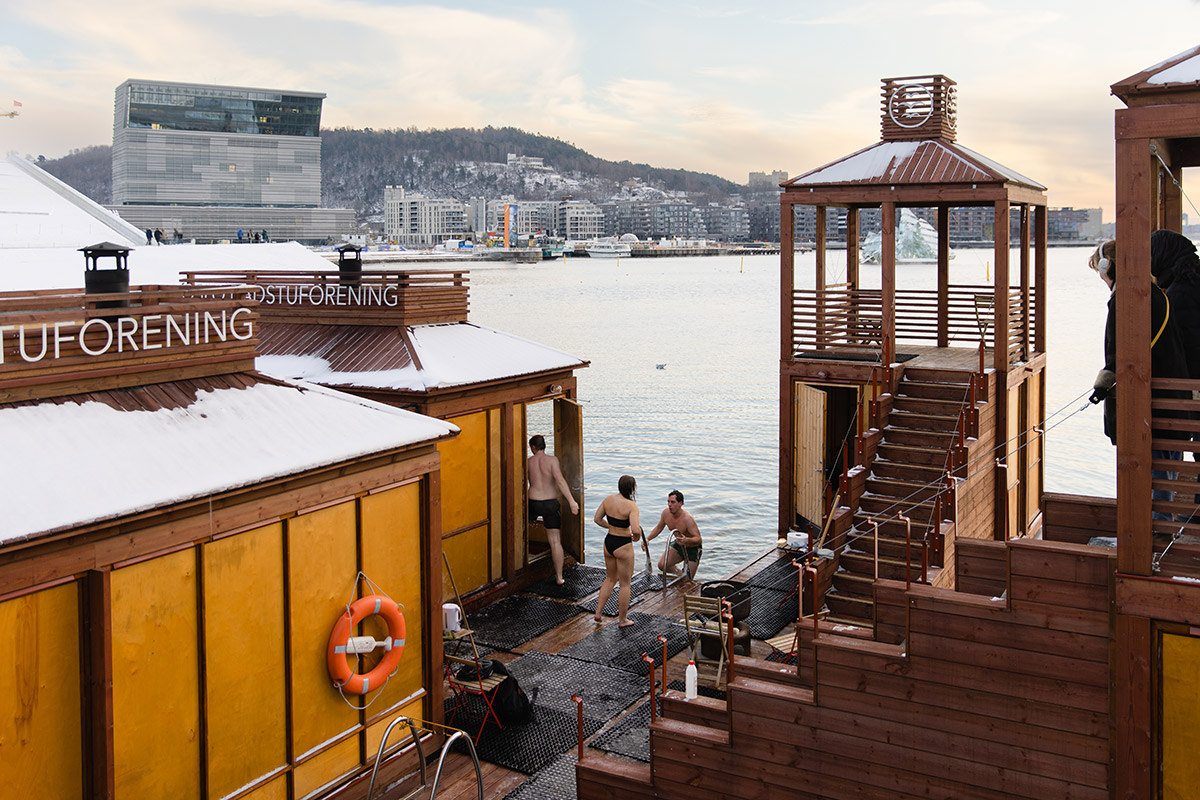
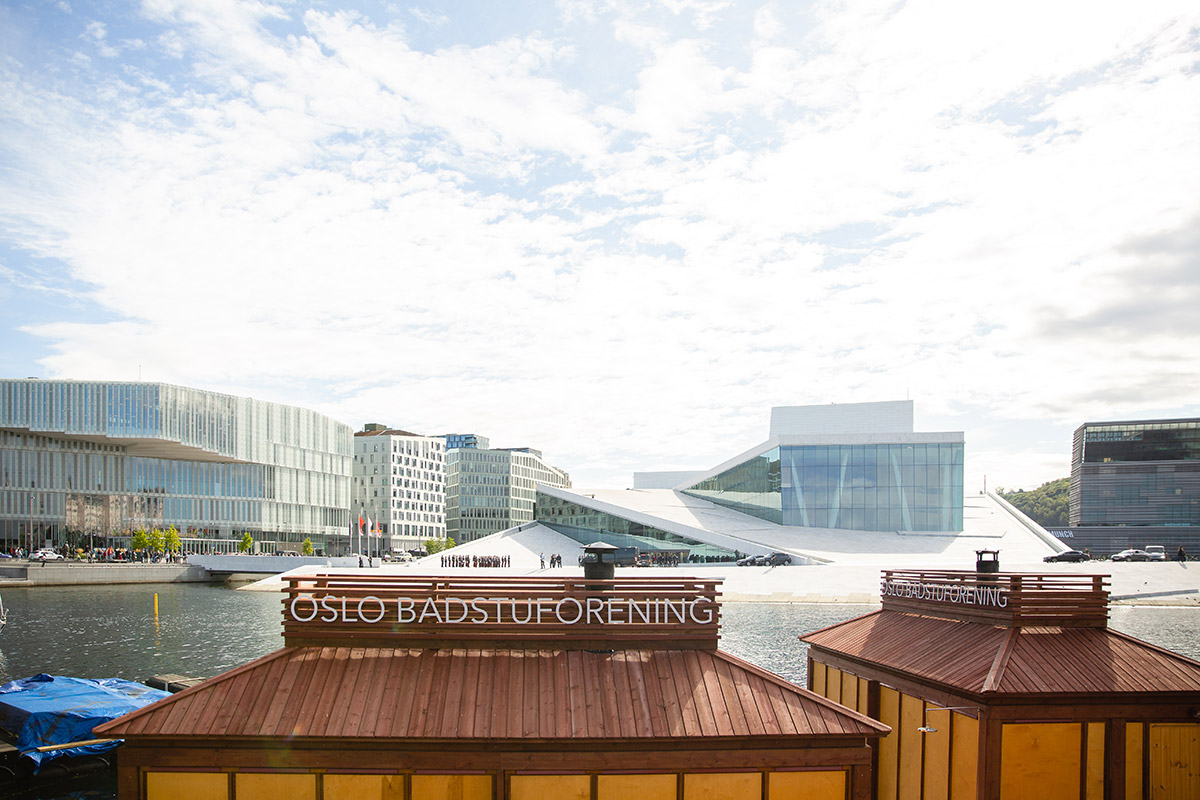
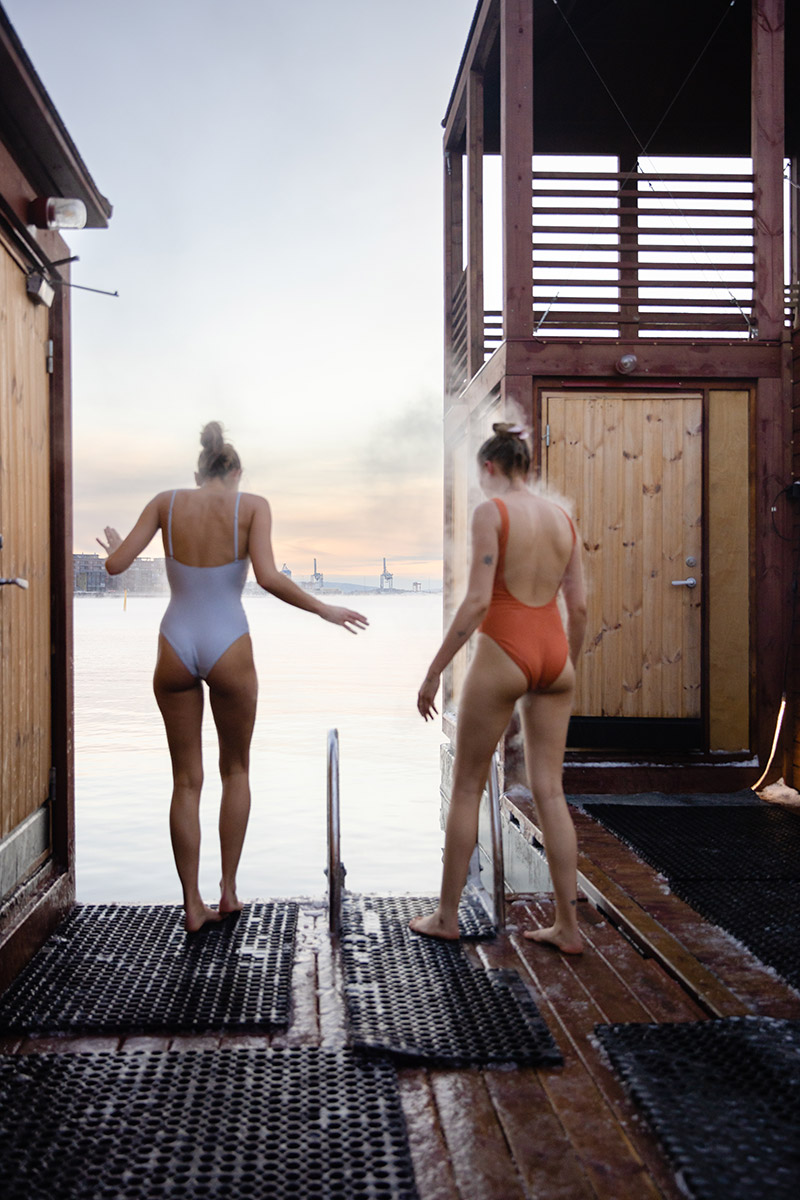
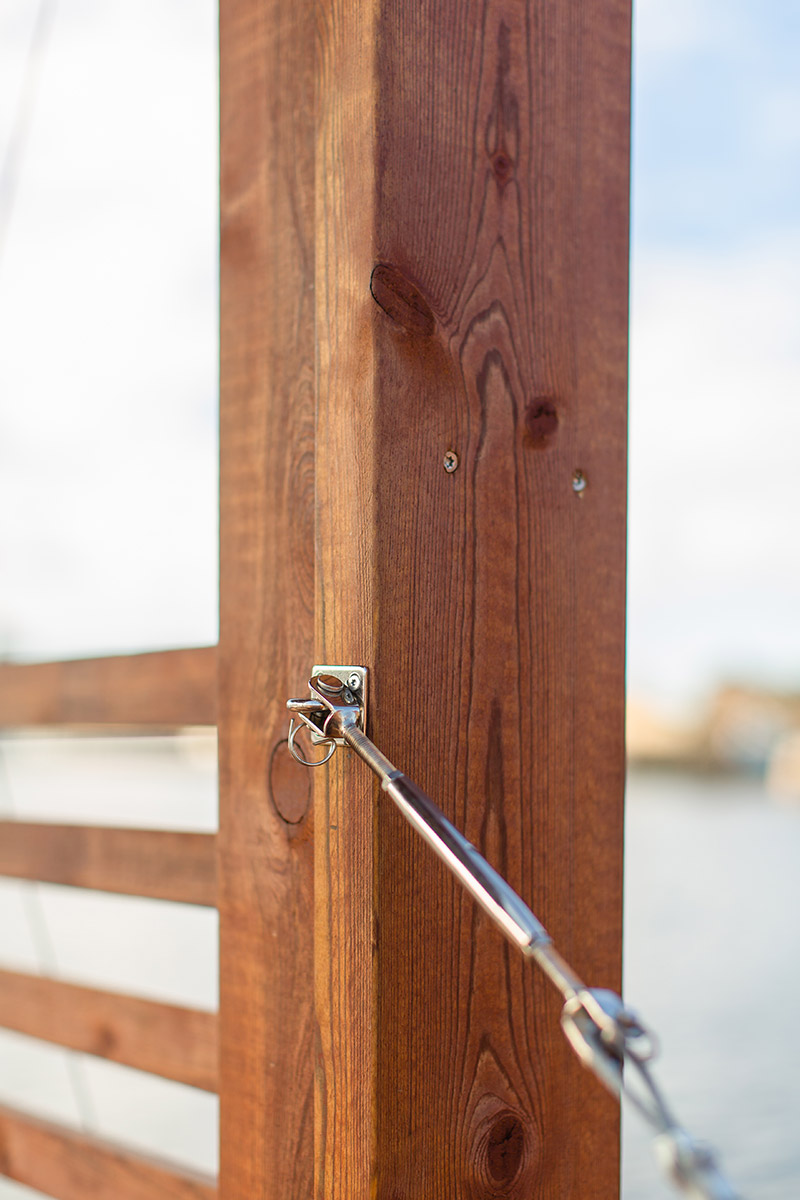
Bademaschinen, is a floating sauna complex in Oslo's harbor, designed around innovative reuse. Collaboratively created with Borhaven Arkitekter and Fjord Ingeniører, the project repurposes teak window frames from the 1960s-era Grandenursing home in Drøbak, with glass panes replaced by oiled plywood, forming the sauna's distinctive exterior walls.
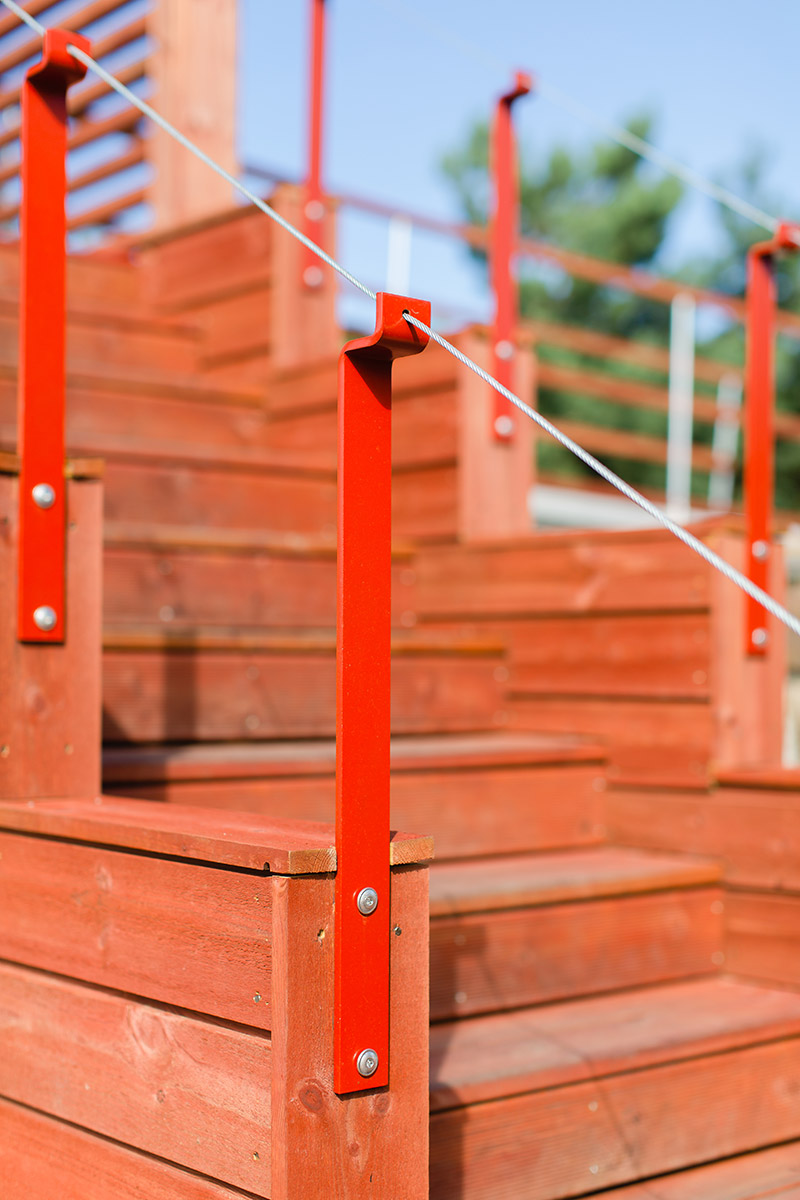
This approach not only reduces waste but also imbues the structure with historical character, echoing the design of 19th-century sea bathhouses, Sjøbadehus. The facility comprises two saunas and two towers housing changing rooms, arranged around a communal square. Constructed with red royal-treated spruce and featuring a color palette inspired by Oslo's Akershus Fortress, Bademaschinen stands as a testament to how material constraints can inspire architectural innovation, transforming salvaged elements into a cohesive and culturally resonant public space.
Photography: © Rebecca Zeller
Built Project
Project 3
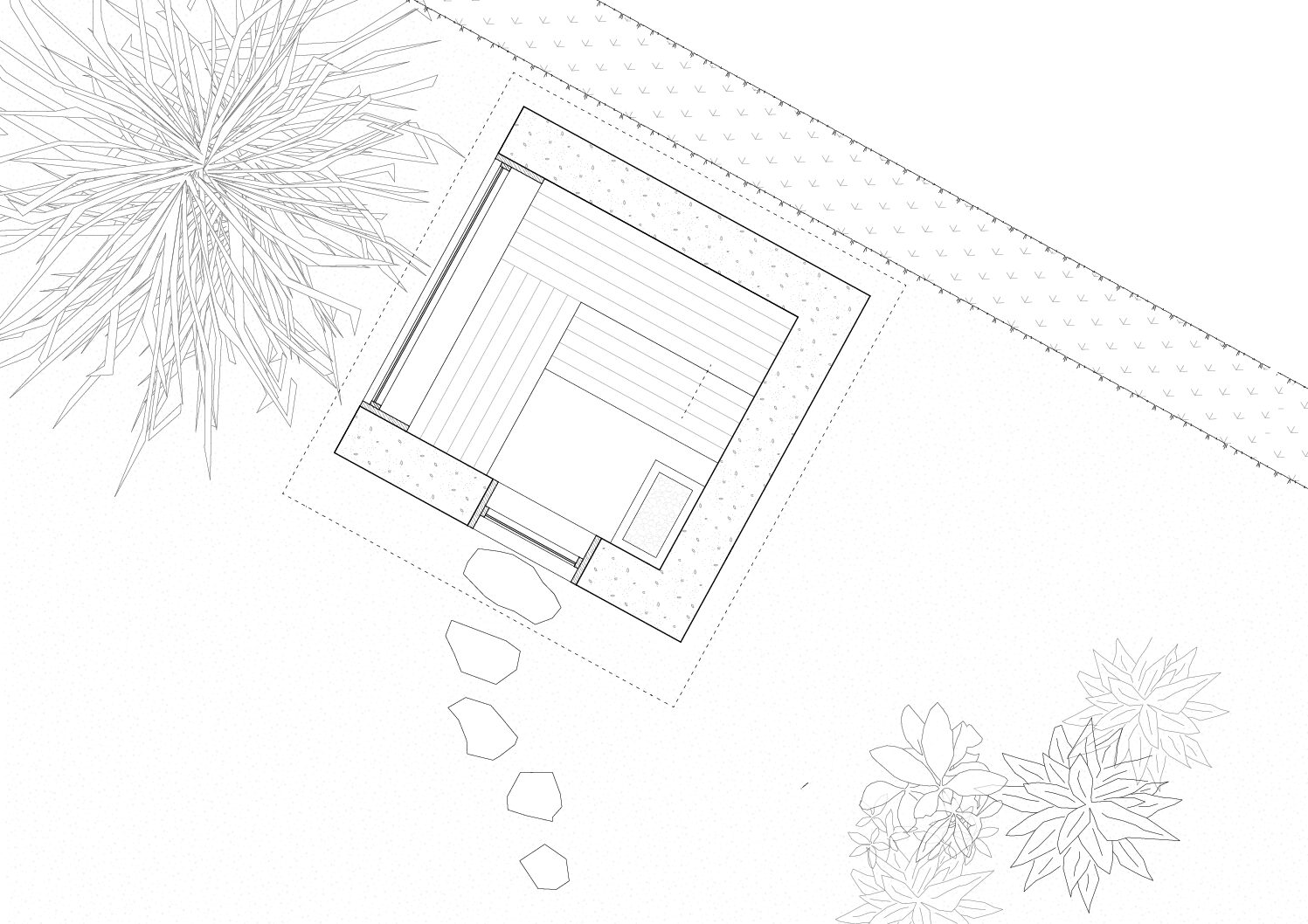
Rammed Earth Sauna
by CLAYA
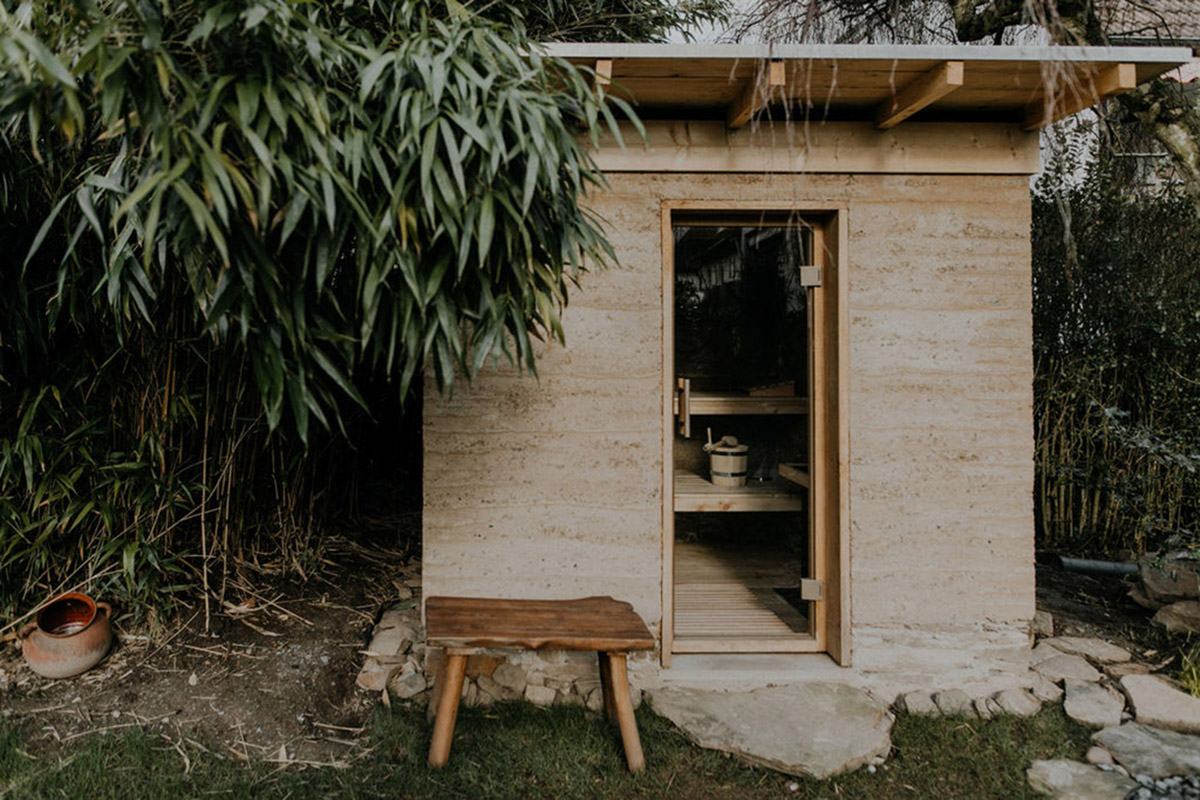
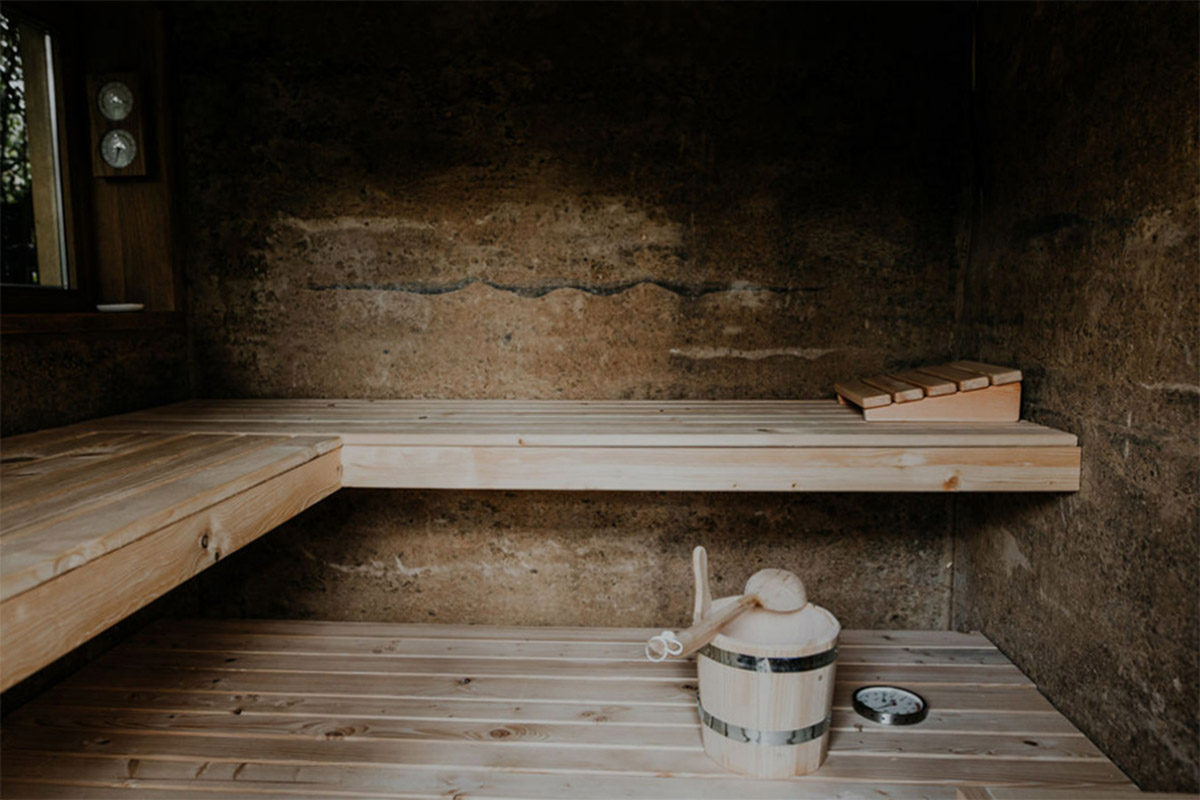
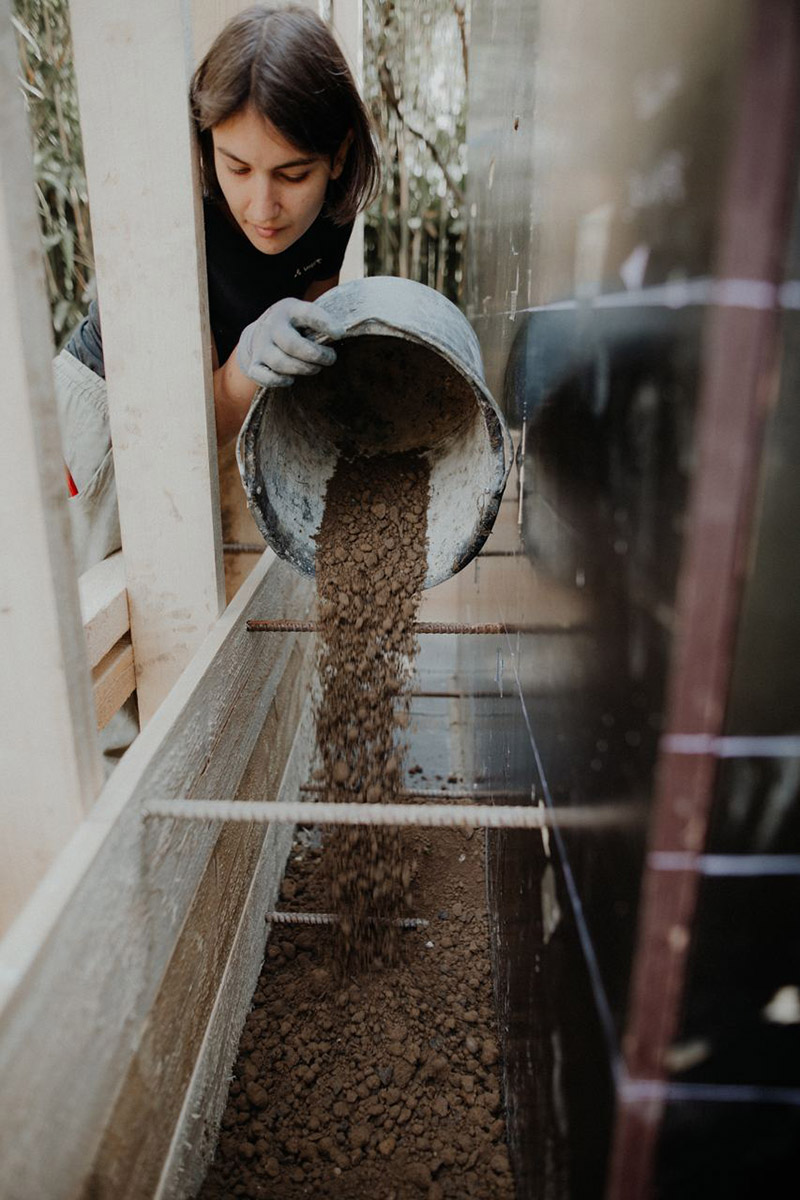
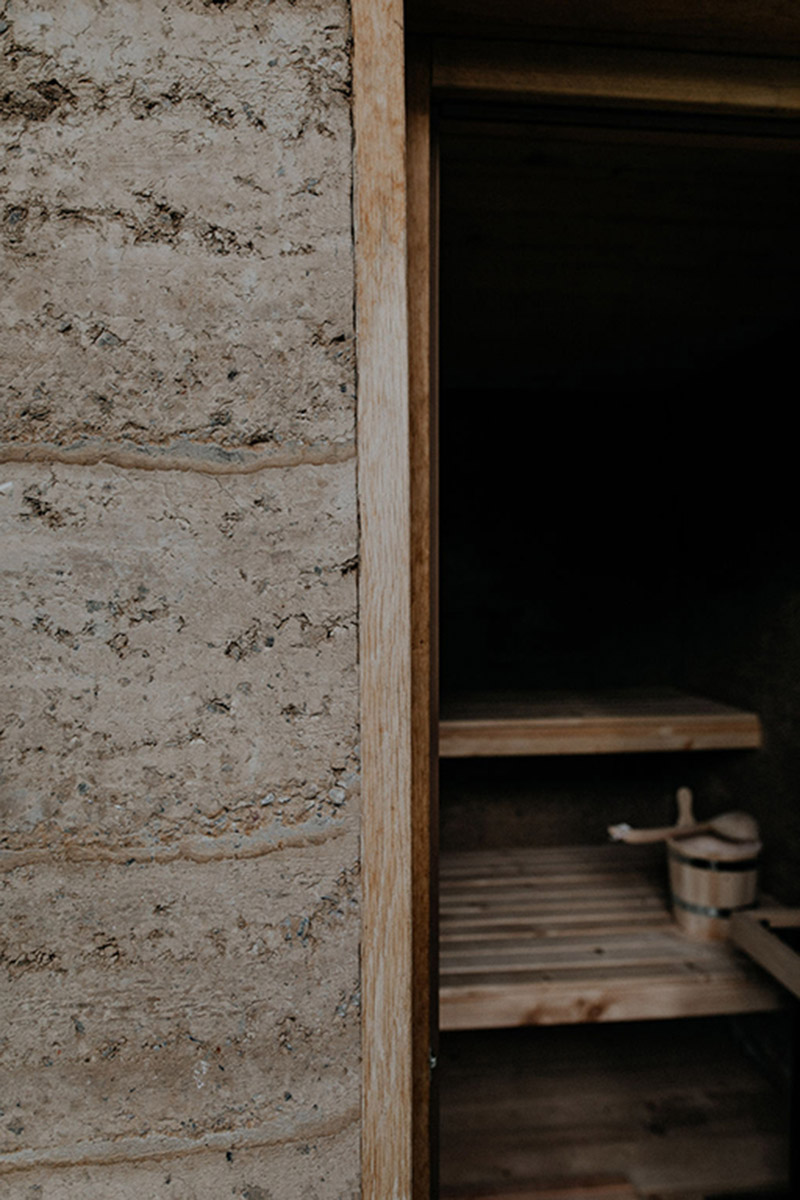
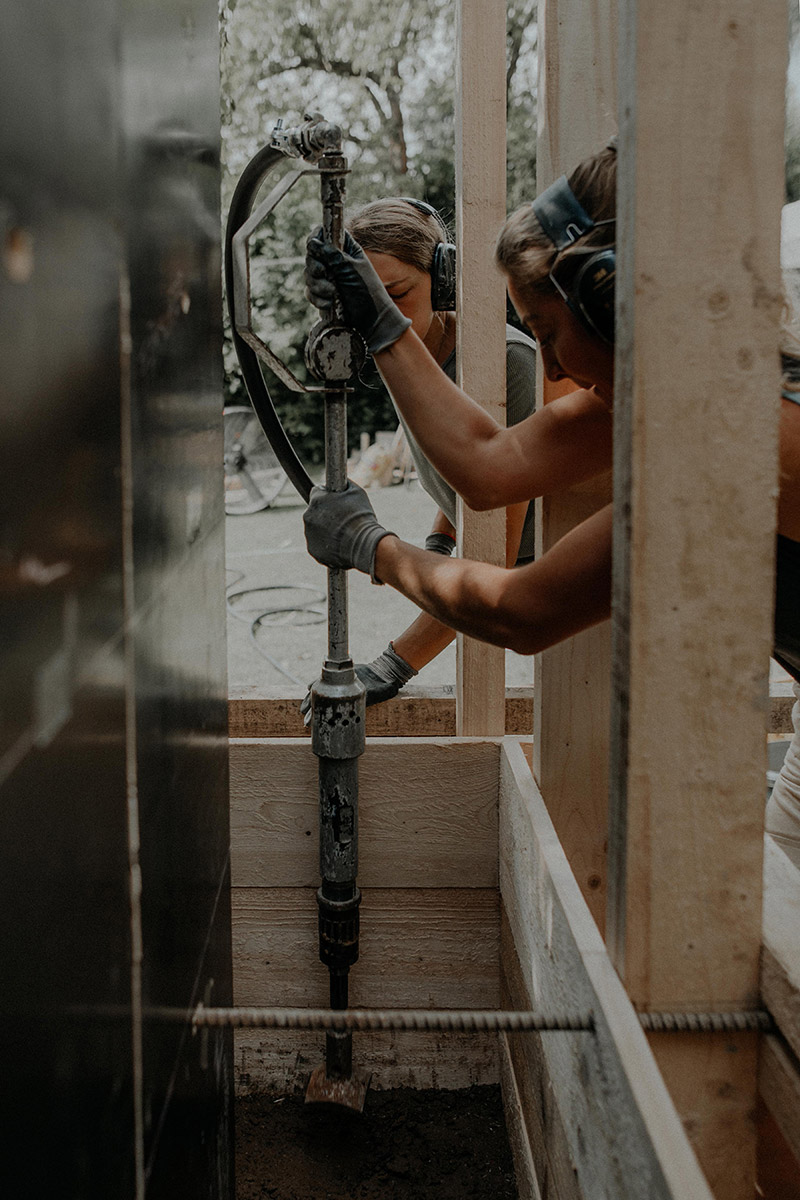
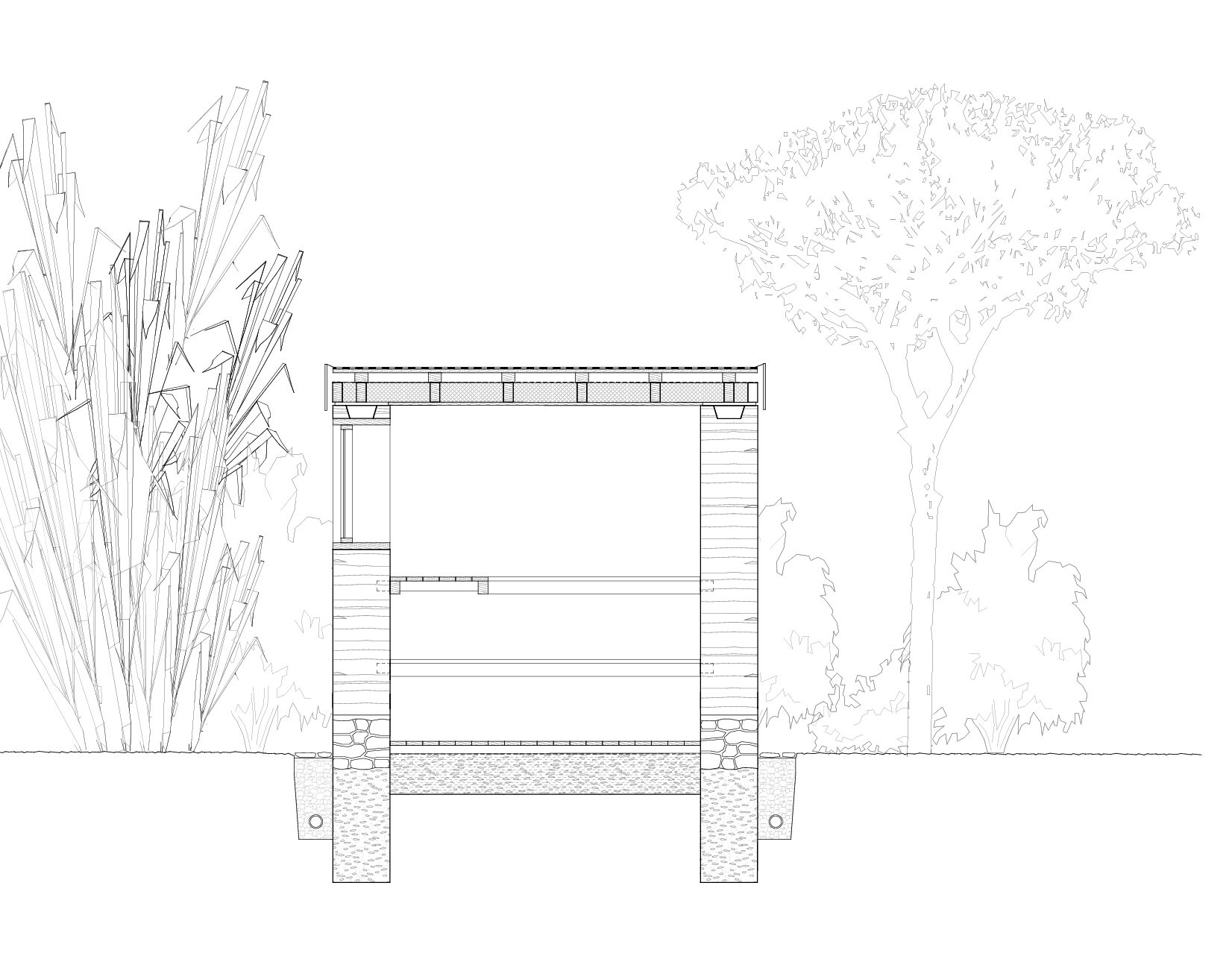
In Witten, Germany, a nearby excavation left behind massive piles of unused earth as excavation material. Where others saw waste, we saw potential. The idea for a little rammed earth building arose. The idea turned into a sketch, and the sketch turned into a design, followed by an intense time of crafting together.
A diverse team of young crafters and architects has worked on this project, learning from each other and experimenting with the building material earth. Apart from the clay, we also sourced the sand stone and the wood for the foundation from a local site. The wood from the formwork was afterwards used for the roof, the floor and the interior benches.
Photography: © zweimalzwei
Built Project
Drawwings
Website: actstudio.eu , claya.net
Instagram: @actstudio.eu , @claya_arch
Photo Credits: © CLAYA + ACT!, if not stated otherwise
Interview: kntxtr, kb, 05/2026