26/006
GWJ
Architecture Office
Bern
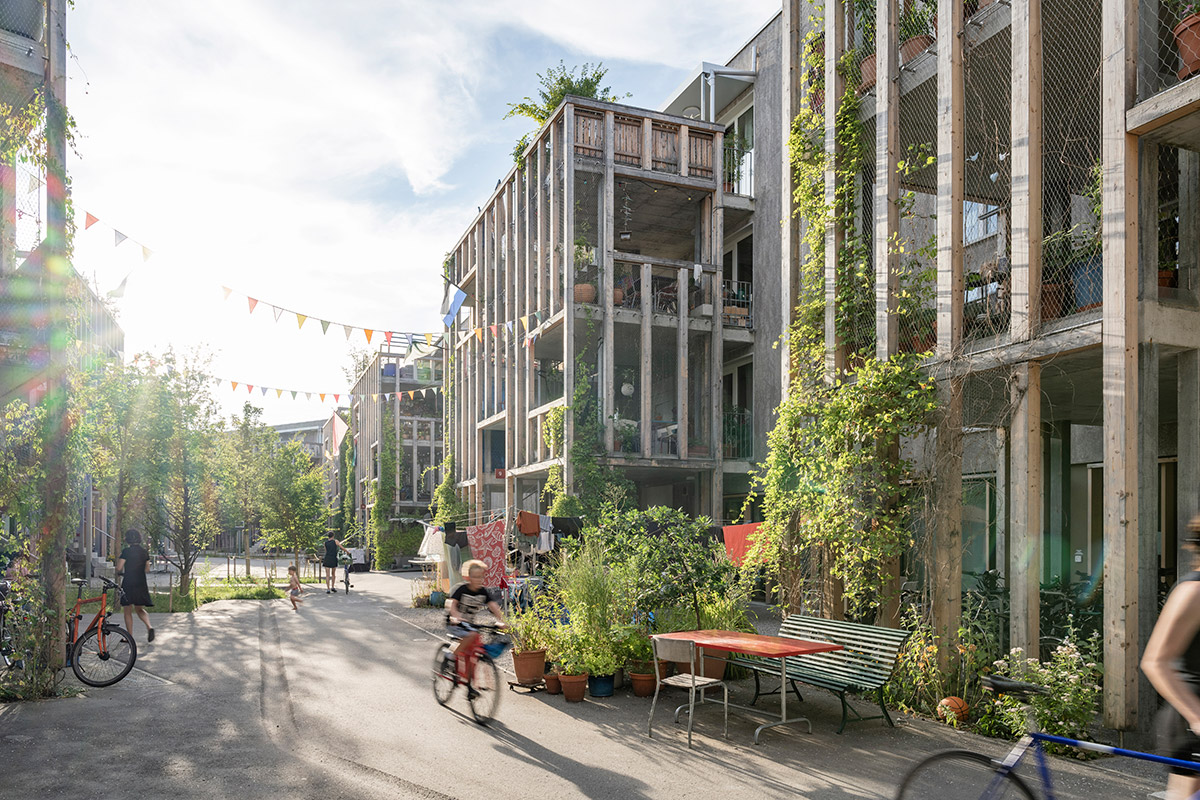
«We deliberately avoid ready-made answers.»
«We deliberately avoid ready-made answers.»
«We deliberately avoid ready-made answers.»
«We deliberately avoid ready-made answers.»
«We deliberately avoid ready-made answers.»
Please, introduce yourself and your studio…
We are GWJ. Fifty people from ten countries. We develop architecture rooted in everyday life through continuously and critical dialogue, with the aim of designing the best possible solution for each project. Our work ranges from architecture to urban development and open space planning. We are not interested in grand gestures for their own sake, but in solutions that are coherent and appropriate.
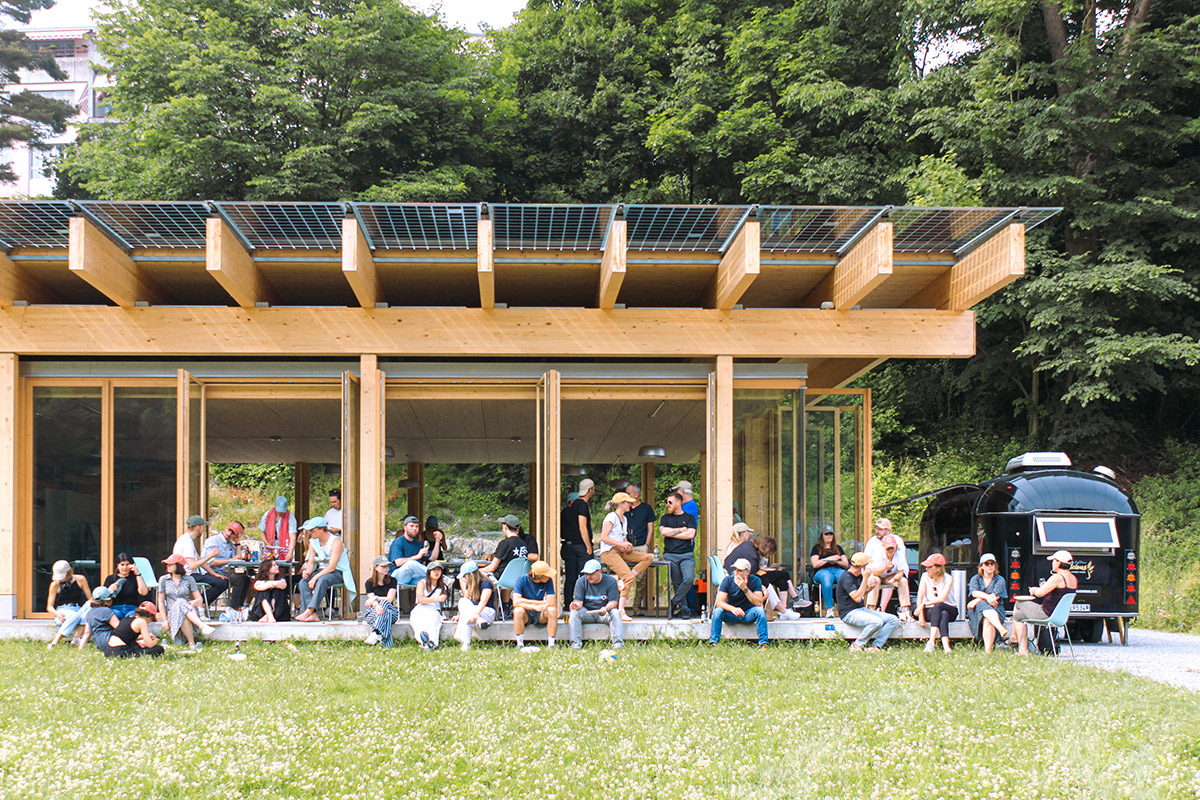
GWJ – Team
How did you find your way into the field of architecture? What comes to your mind, when you think back at your time learning about architecture?
We got into architecture out of interest in how people interact and how space influences those interaction. Our concern was never limited to the object itself or aesthetics. From the very beginning, we wanted to address issues relating to everyday life and society. We continue to do so today. We focus our work on what people really need, in the context of the challenges of our time, particularly regarding the conscious use of resources and ecological and social issues.
What are your experiences founding your own office and being self-employed?
GWJ has been around since the 1990s. Over the past 35 years, the firm has evolved step by step. Responsibility has been continuously passed on and taken up, driven not by the fulfilment of a role, but by a desire to shape the business. We are not a start-up defined by a grand founding narrative. Our strength lies in our longevity and in the balance between consistency and dynamism, young and old, openness and experience. This dynamic is what continually drives us forward.
How do you remember your time as architectural employee/worker?
Even as employees, participation was a priority for us. We sought to shape the firm and take on responsibility. Our current role is the result of a continuous process in which we gradually assumed greater architectural, organisational and entrepreneurial responsibility.
How would you characterize the city you are currently based at as location for practicing architecture?
We have close ties to Bern, even though we don't see ourselves as purely a Bern-based office. Bern is often considered slow-paced, yet our experience of the city is different. It has a lightness that is sometimes mistaken for lethargy. The city is characterised by its districts and neighbourhoods and the rhythm changes within just a few minutes' walk. We like this proximity and complexity.
What does your desk/working space/office look like at the moment?
A large, mushroom-shaped pillar, a vestige of the former printing workshop, dominates our open-plan workspace and provides a central point for interaction. The open layout allows for short distances. Designs, models and discussions converge across our large tables. We work in a hybrid manner, occasionally from home, which requires both commitment and flexibility. It is important to us that neither projects nor people are neglected in favour of the individual. Physical and organisational proximity, both in the office and online, supports clear, collaborative decisions.
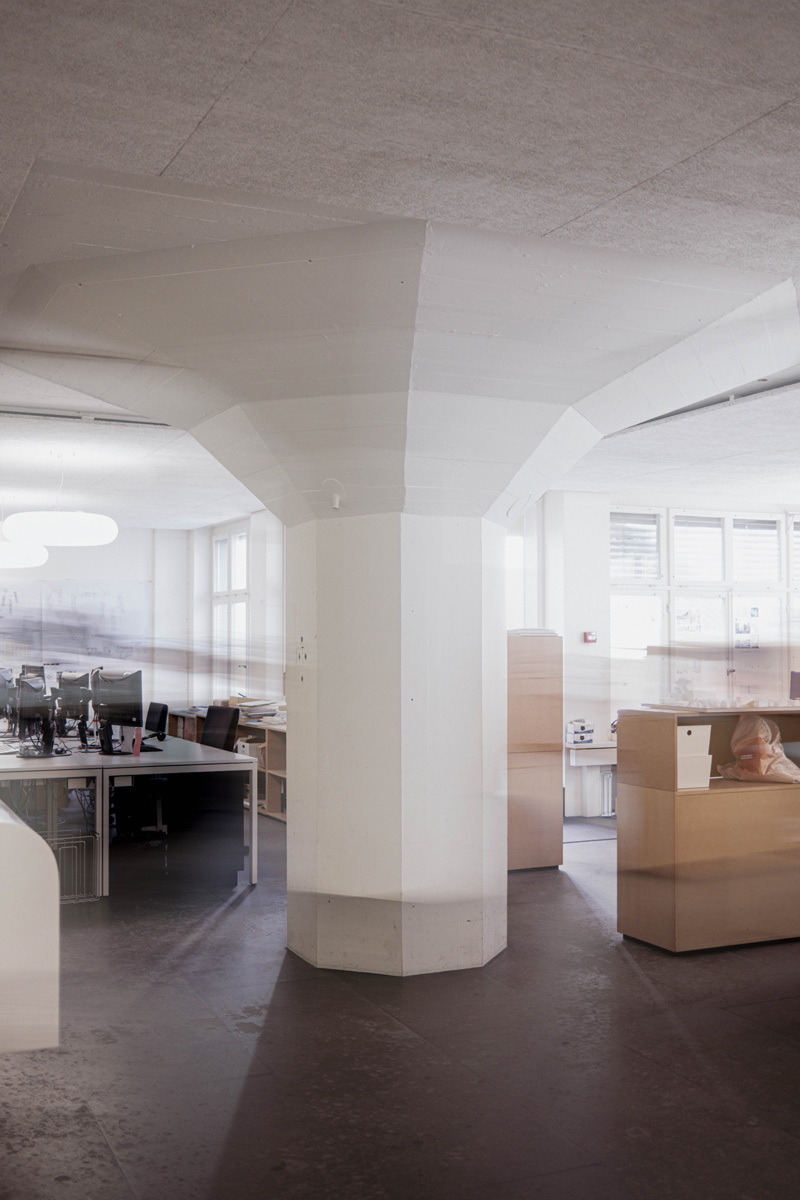
GWJ – Office
What is the essence of architecture for you personally?
For us, architecture begins with the place and the people affected by it. We analyse structures and possibilities and using them to develop solutions that support everyday life and remain comprehensible. We deliberately avoid ready-made answers. For us, taking responsibility means making decisions that have an impact. As part of our community and society, this motivates us to actively shape our environment.
Name your favorite …
We don't have a single favourite. Our team brings together diverse influences and backgrounds. We also draw inspiration from the past, where many challenges have already been successfully addressed. Many issues have already been resolved convincingly. The "Kammergrundriss" shows how much quality can be created from a clear spatial structure. Such simple, well-thought-out solutions inspire us.
What needs to change in the field of architecture according to you?
We envision a future in which architecture is further developed from the existing built environment: durable, adaptable and deliberately minimalist. The high standard of building culture in our cities demonstrates how spatial qualities shape social coexistence. It will be crucial to carefully develop what already exists, both in cities and surrounding agglomerations, and to form independent, sustainable solutions from existing structures. We understand architecture as a continuous process rooted in everyday life and guided by long-term responsibility.
What essential actions do we need to take as architects now regarding a more sustainable future for everyone?
We pursue simple, robust solutions that create opportunities for people and bring them joy. To achieve this, we question established standards so that architecture remains affordable. Every construction project has a significant impact on its surroundings, which is why we do not plan based on a finished solution, but rather consciously and in consultation with all parties involved.
If there were one skill you could recommend to a young architect to study in depth at architecture school: what would it be and why?
Perhaps the same applies today as always: bringing in new ideas and staying open to the experiences of others our team spans ages 16 to 68, creating a culture where different perspectives meet and generations learn from one another. At the same time, we recognise where our limits lie and seek out external expertise when needed.
What is your favorite tool to design/create architecture and why?
Our most important tool is dialogue, driven by curiosity. It helps us to clarify complex issues, get to the core of decisions and keep them comprehensible. Dialogue bridges the gap between idealism and realism, exactly where we are anchored.
Do you think AI is changing the field of architecture?
AI is transforming our field of work. It supports us with time-consuming tasks as well as testing and structuring ideas. We use it where it reduces the load, While AI can prepare, it cannot decide what is right for a specific location. As we believe in collaboration, we see AI as another partner in the process.
What person/collective or project do we need to look into right now?
We like to look north, especially to Scandinavia, where sustainability is implemented pragmatically and in ways that are suitable for everyday life. We are particularly inspired by the systemic thinking behind Copenhagen's urban development: clean seawater in the city enables urban bathing resorts, reduces traffic and enhances urban life. Sustainability should be appealing, not characterised by sacrifice. At the same time, we look in all directions. The diverse backgrounds within the team are a constant source of mutual inspiration.
The questions were answered by Eva Herren and Antonia Immenkamp, members of the management of GWJ Architektur.
Project 1
Huebergass
Bern
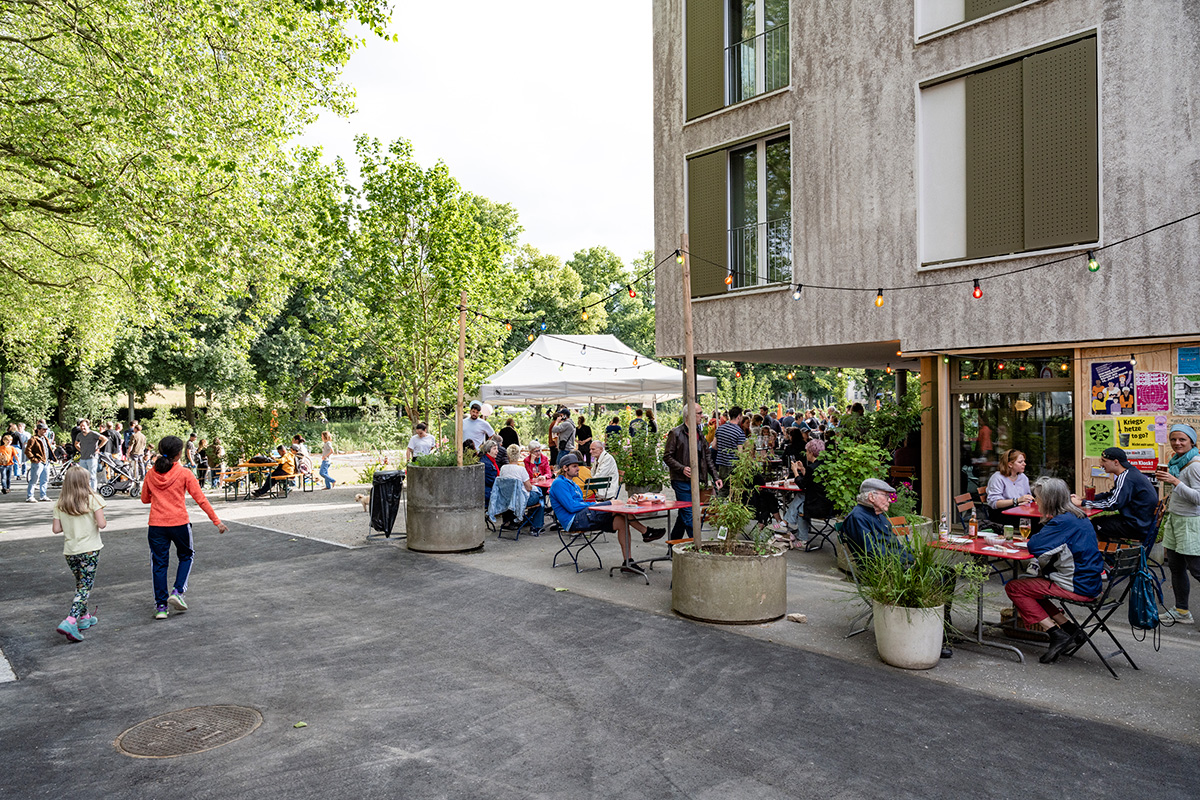
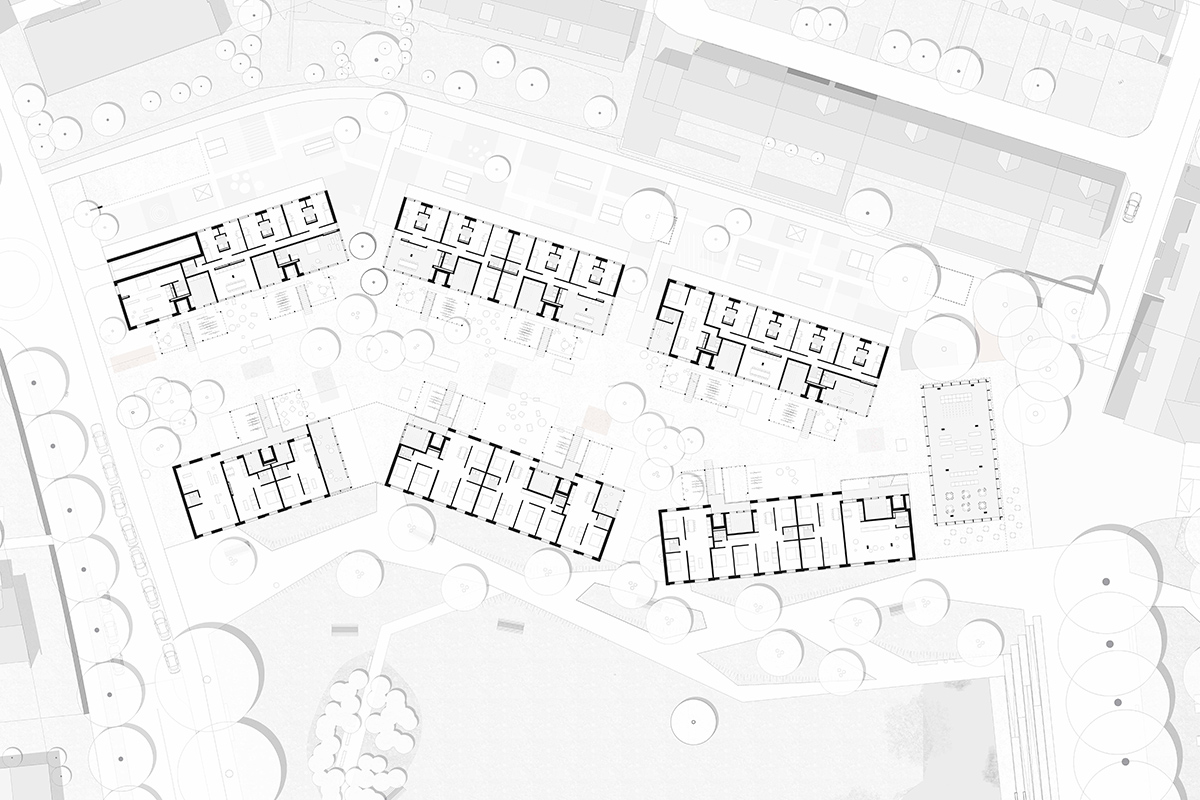
The development of the Holligen site presents both a challenge and an opportunity: creating affordable housing and a new district park in a central and optimal developed area. A bidding consortium assumend the planning, financing, construction and operation.
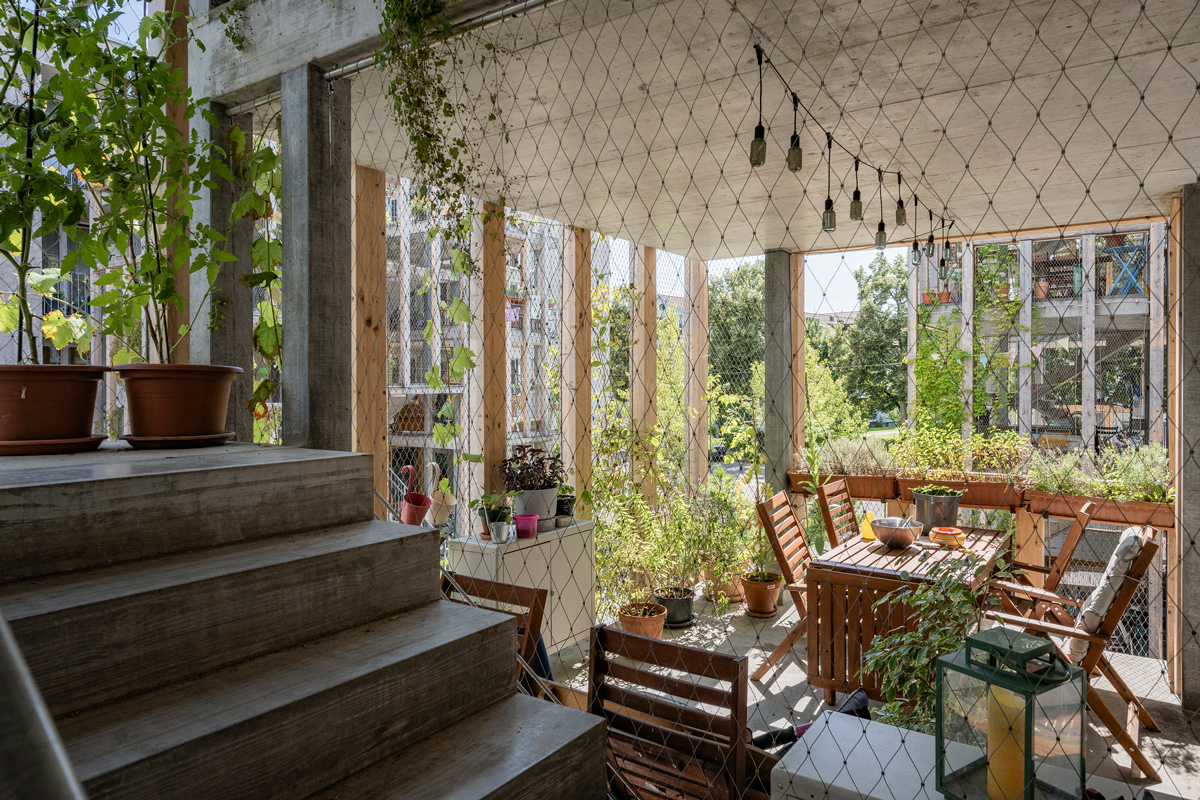
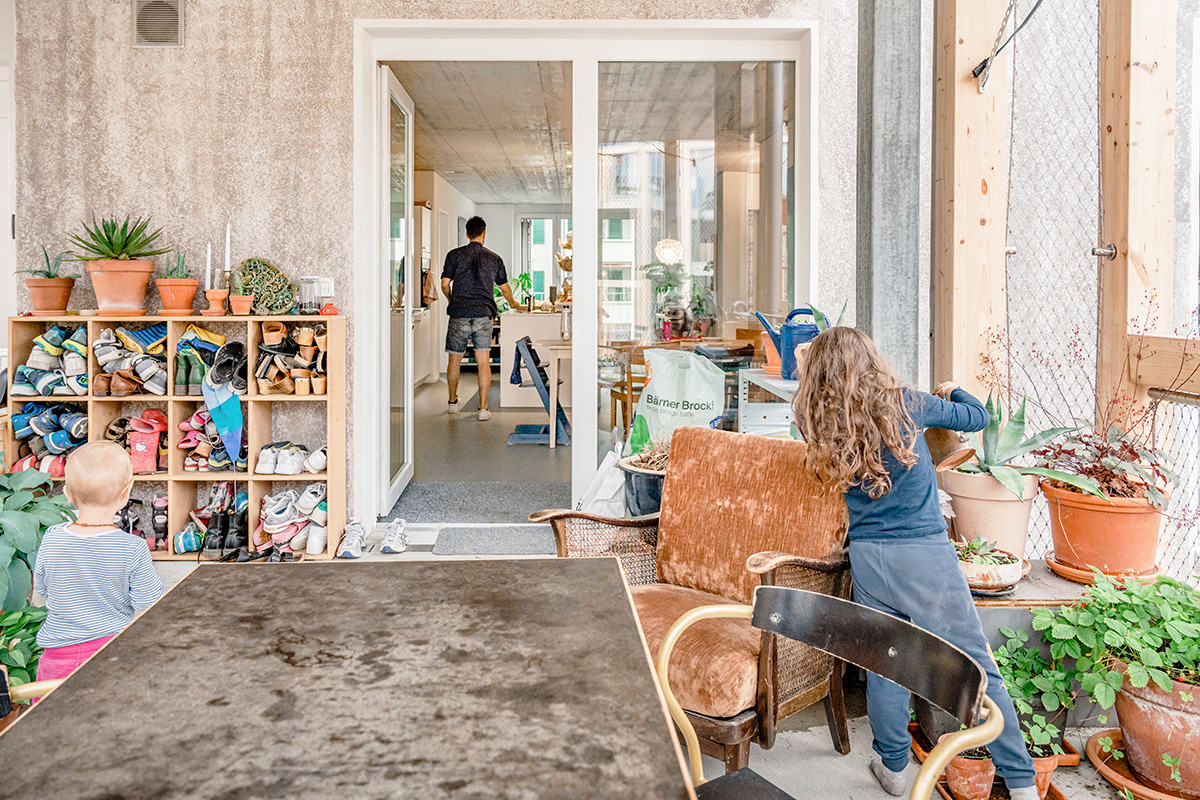
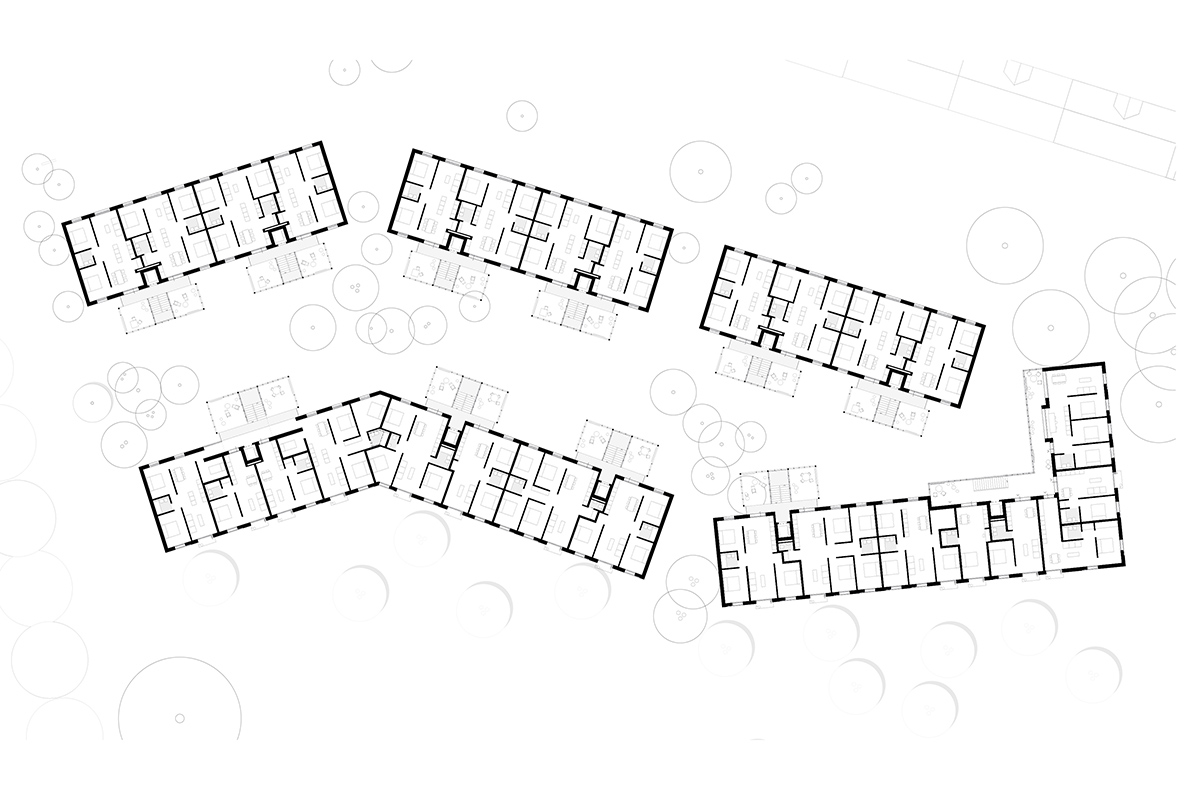
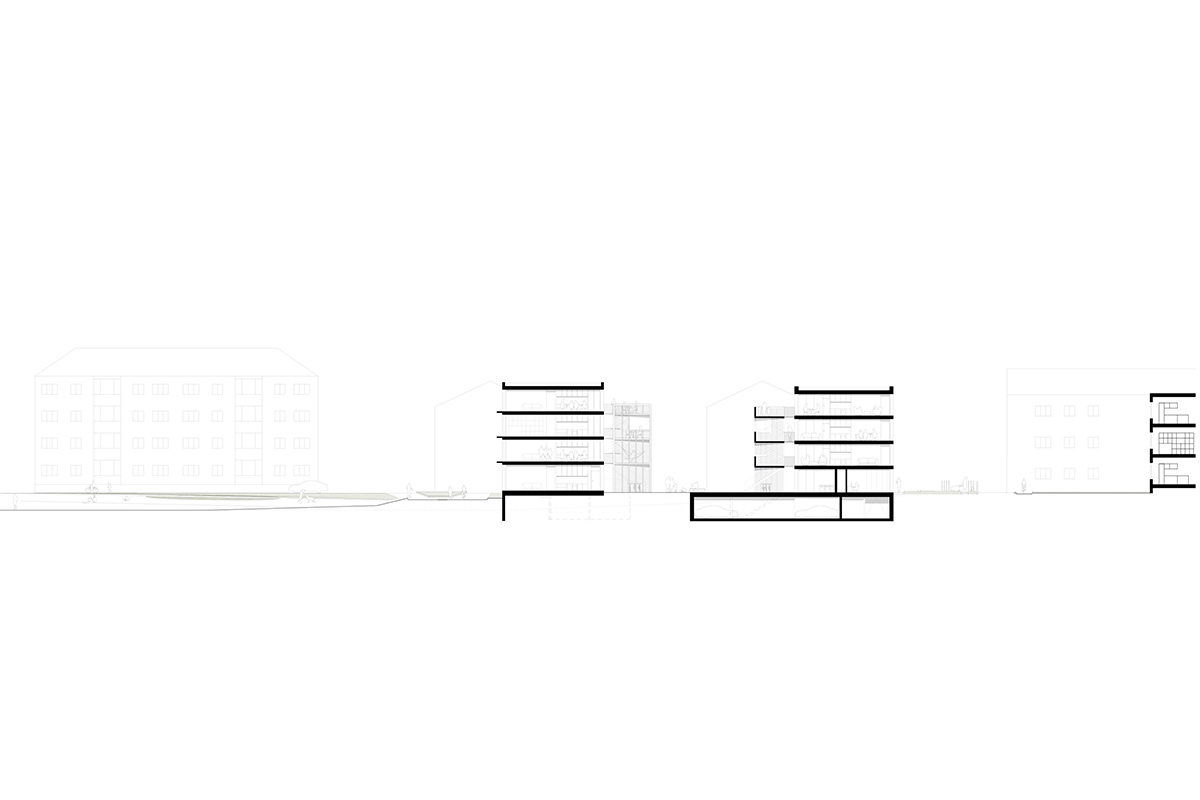
The overall Huebergass and Park project integrates into its urban, architectural and social context. Its orientation towards the park and the surrounding structures, along with a shared communal space that functions as a hub and focal point, reflects this approach.
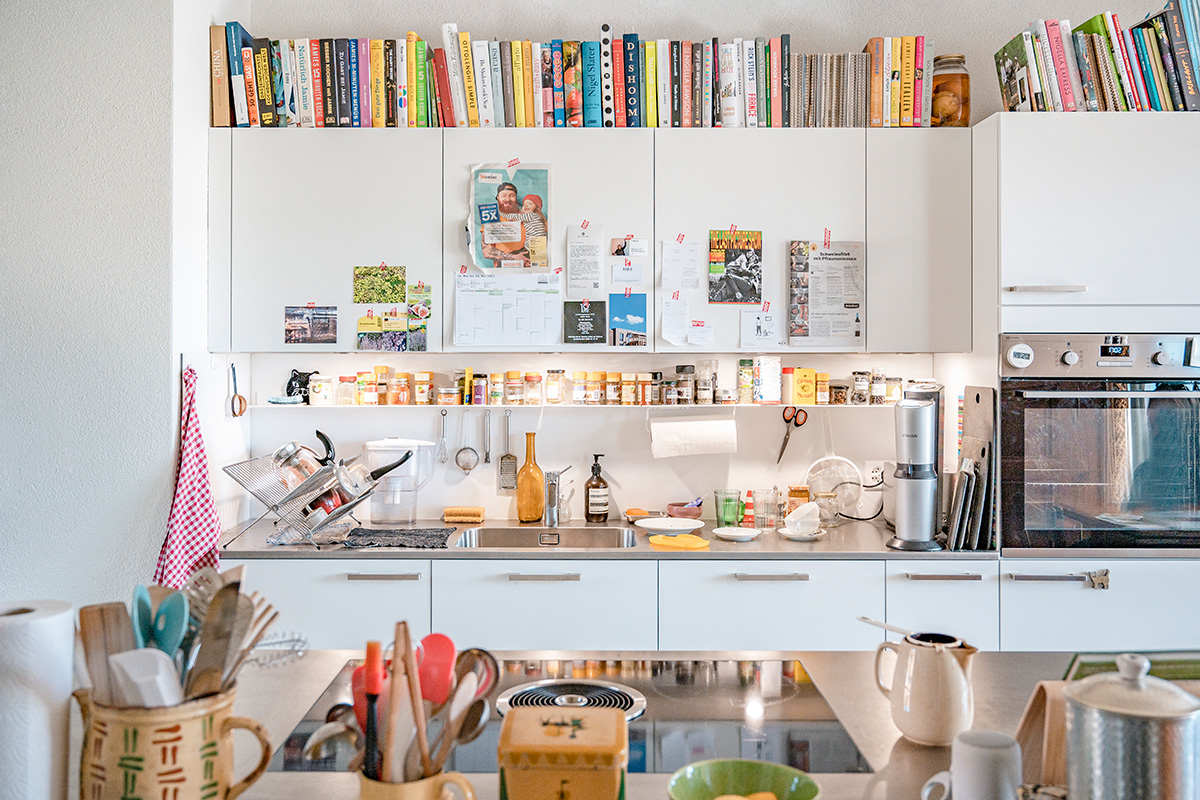
The project’s backbone: a vibrant central axis connecting all communal and private spaces. Here, people bump into each other and linger in sub-spaces that can be freely appropriated. This emphasis on community enables a mix of apartments suited to a wide range of lifestyles.
Cooperation: ORT AG für Landschaft, Soziale Plastik
Project Team: Aitor Andueza García, Christian Lasser, Donat Senn, Elisa Taraglio, Stefan Burkhardt, Maurizio Chirico, Marco Demuth, Markus Ehrler, Junior Ferreira, Eva Herren, Nicole Hofer, Michael Schär, Janine Zimmerli
Built Project
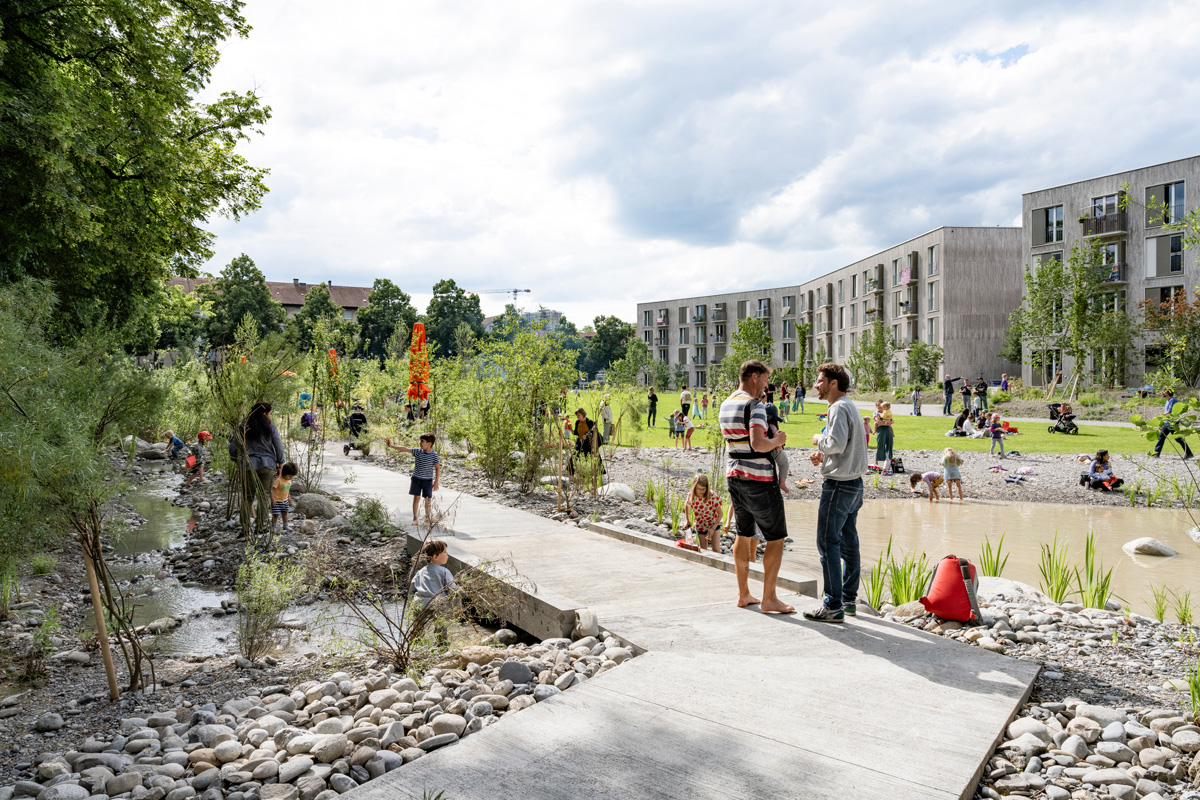
Drawings
Project 2
Untermattweg 8
Bern
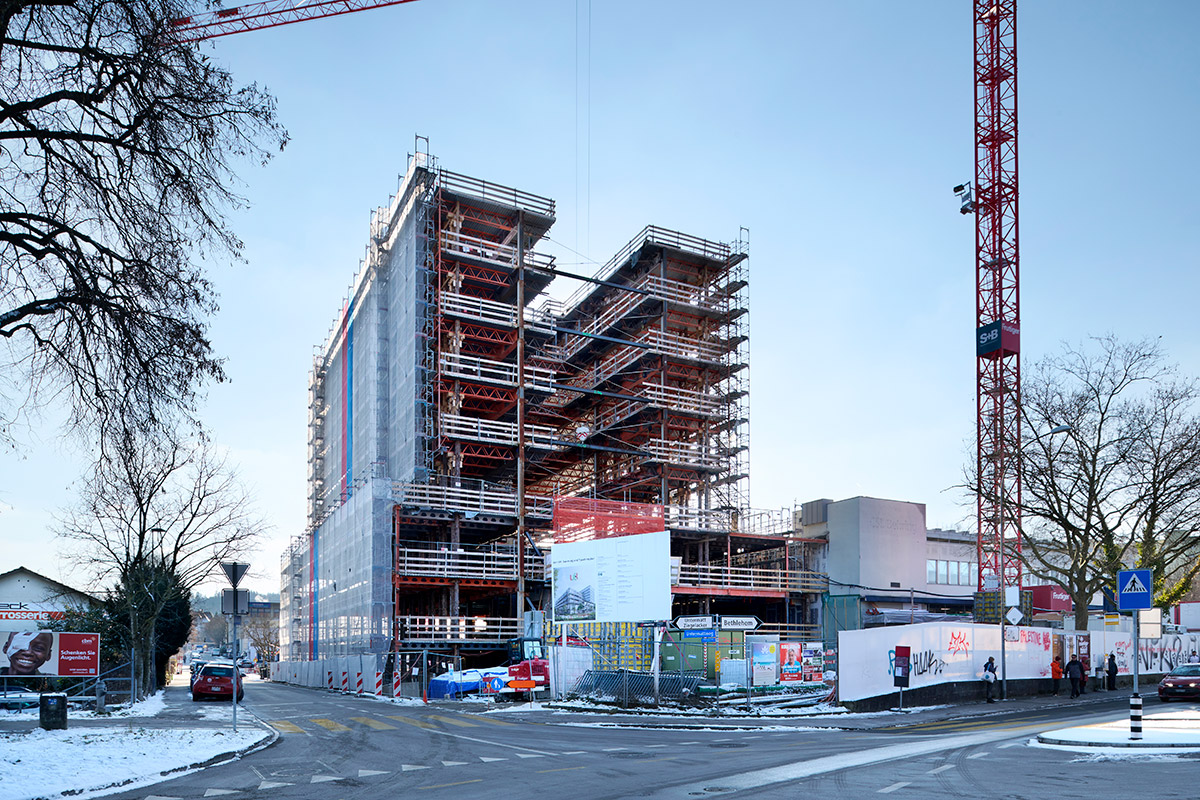
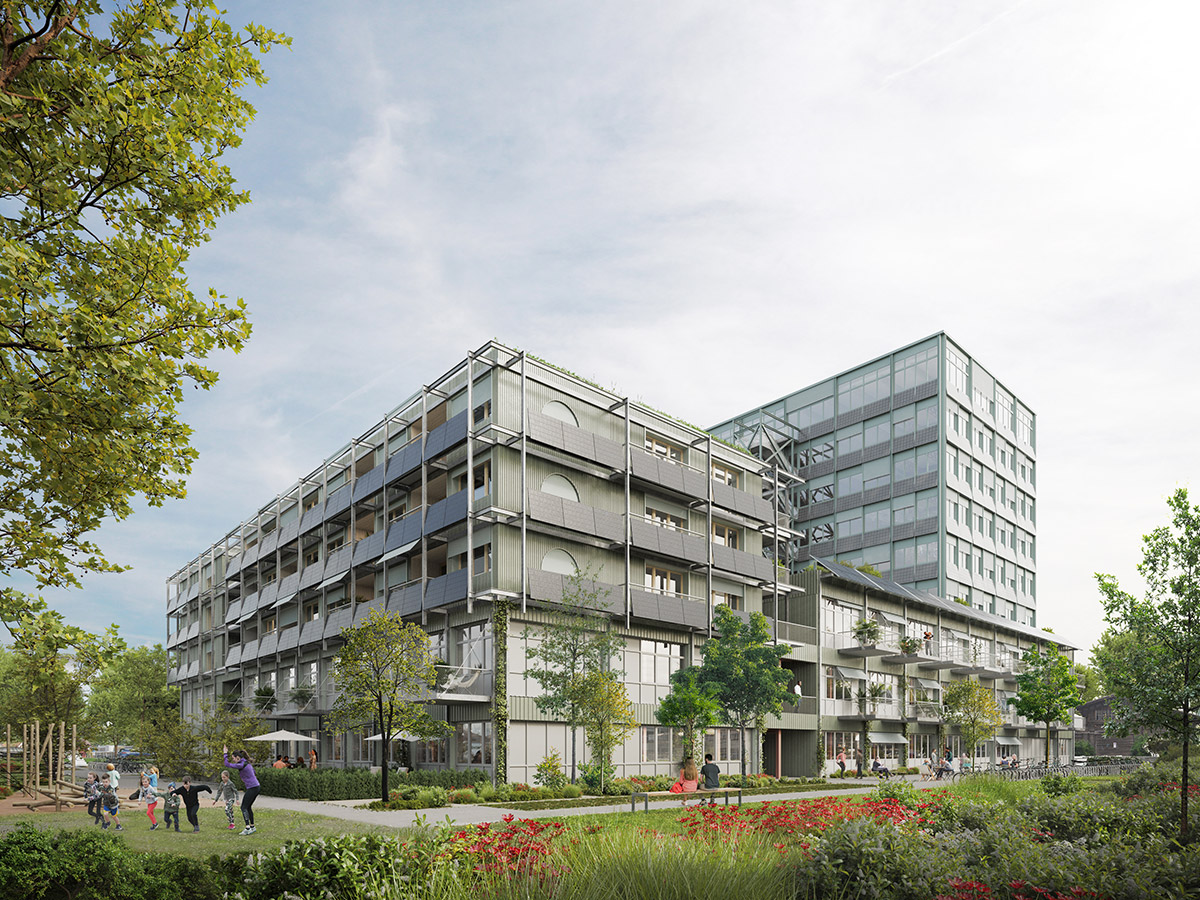
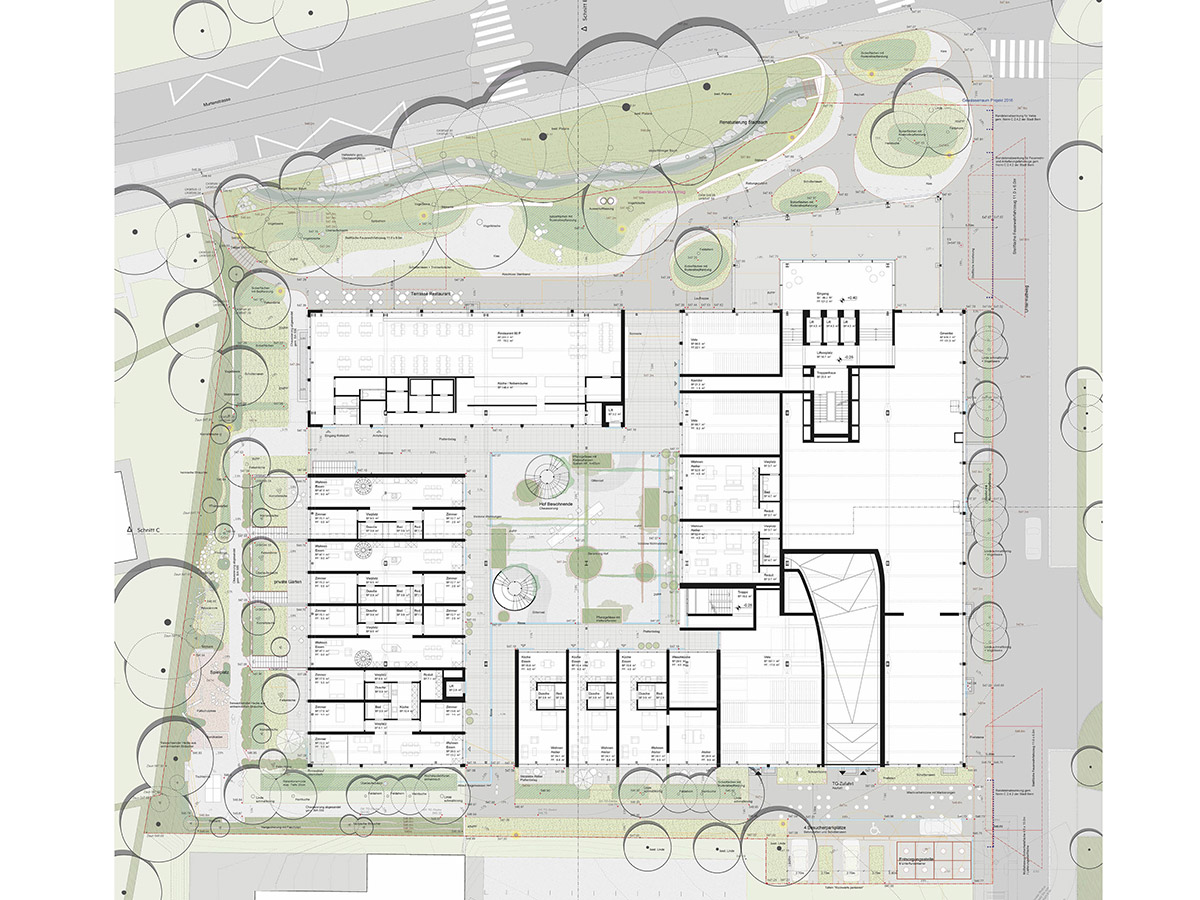
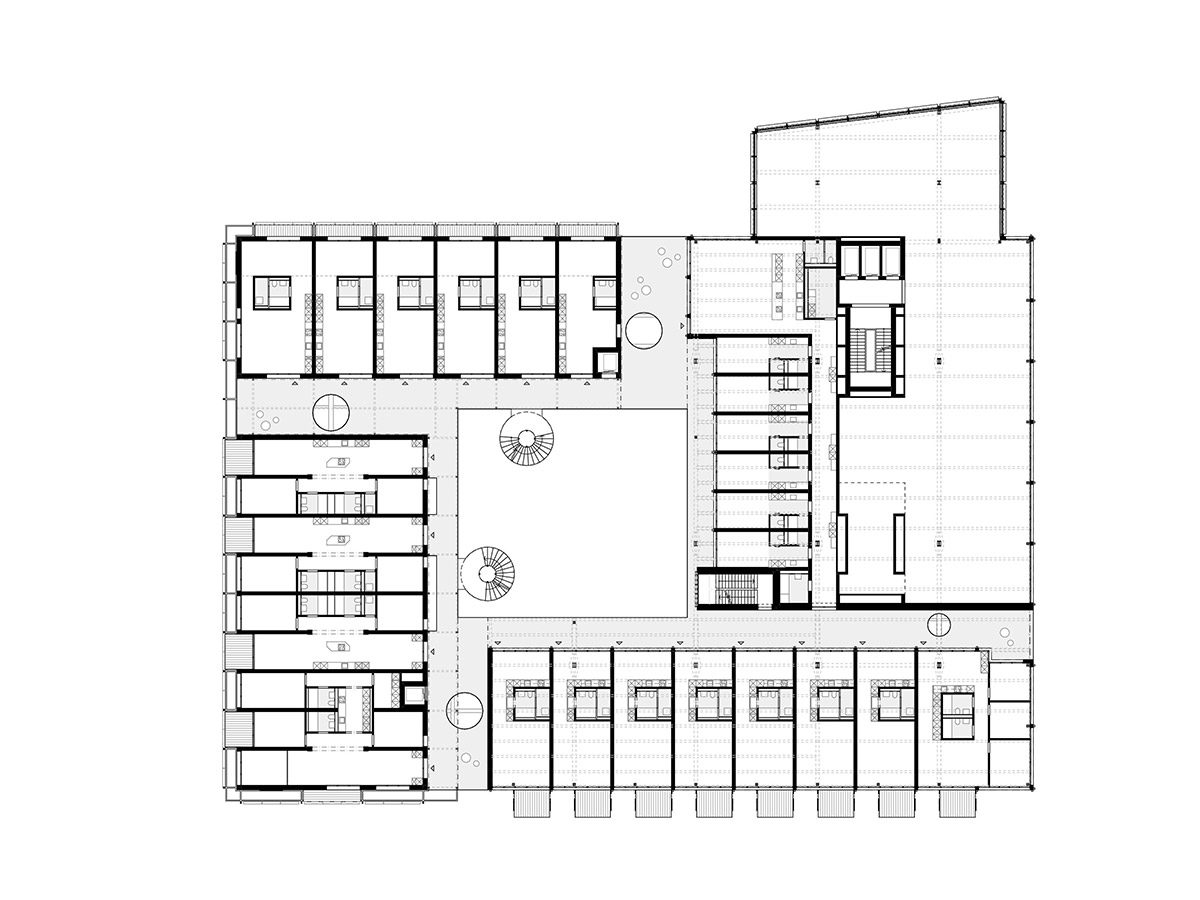
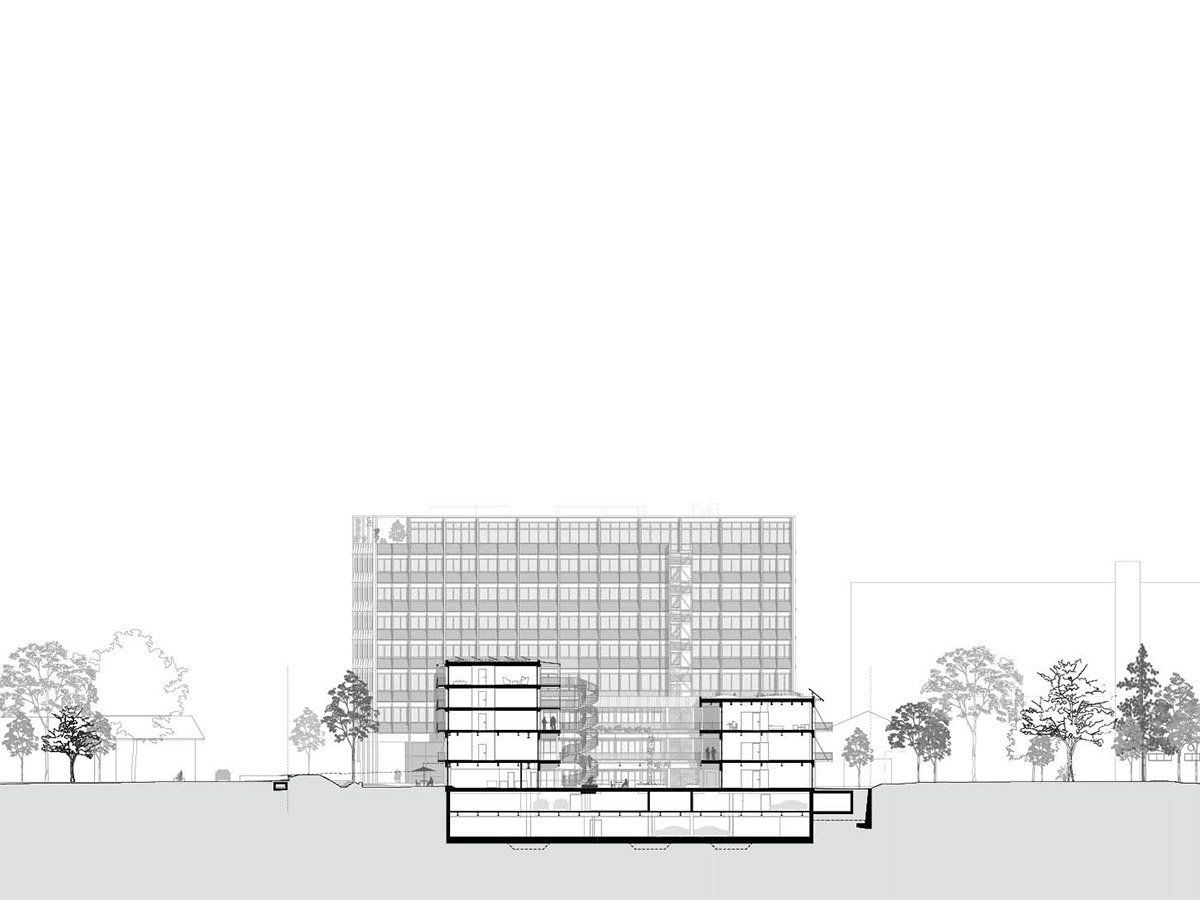
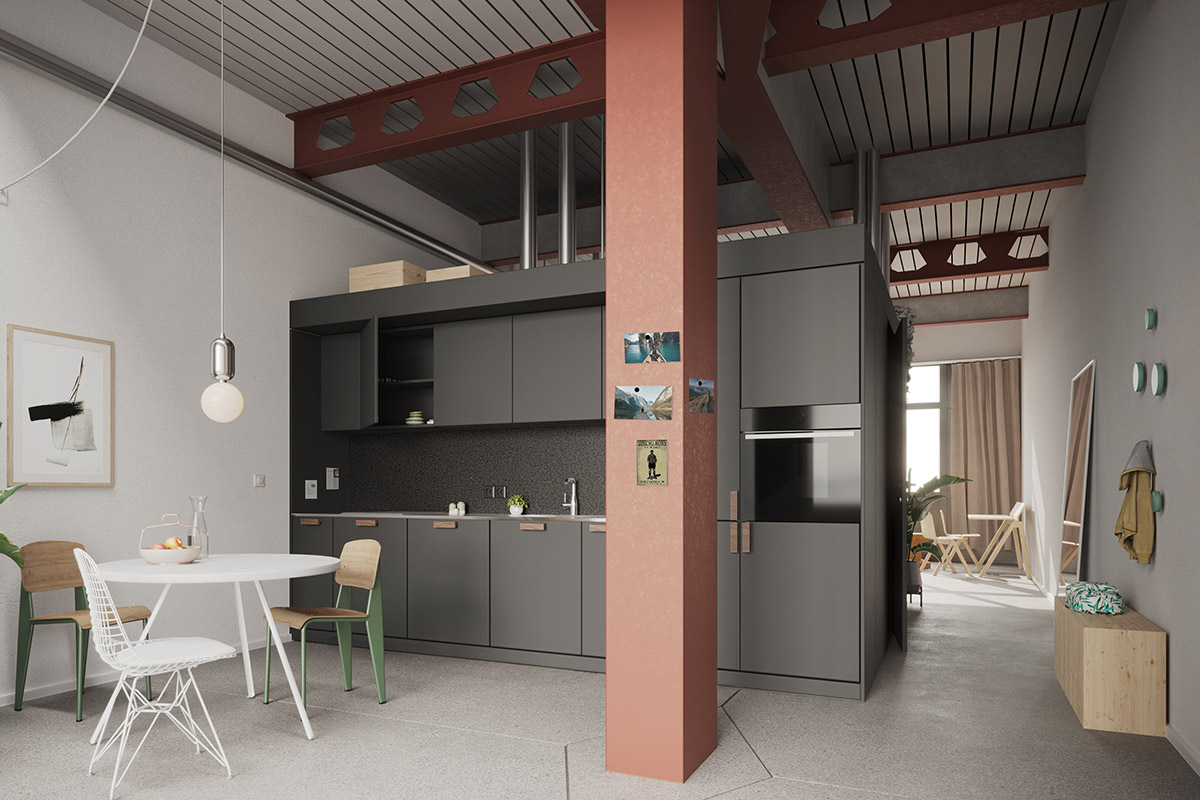
U8 is the name of the distinctive building at Untermattweg 8 located between Bern, Bethlehem and Bümpliz. Formerly the headquarters of Galenica, it is being converted and transformed into a mixed-use neighbourhood: office space, diverse housing, public restaurants and atmospheric green spaces.
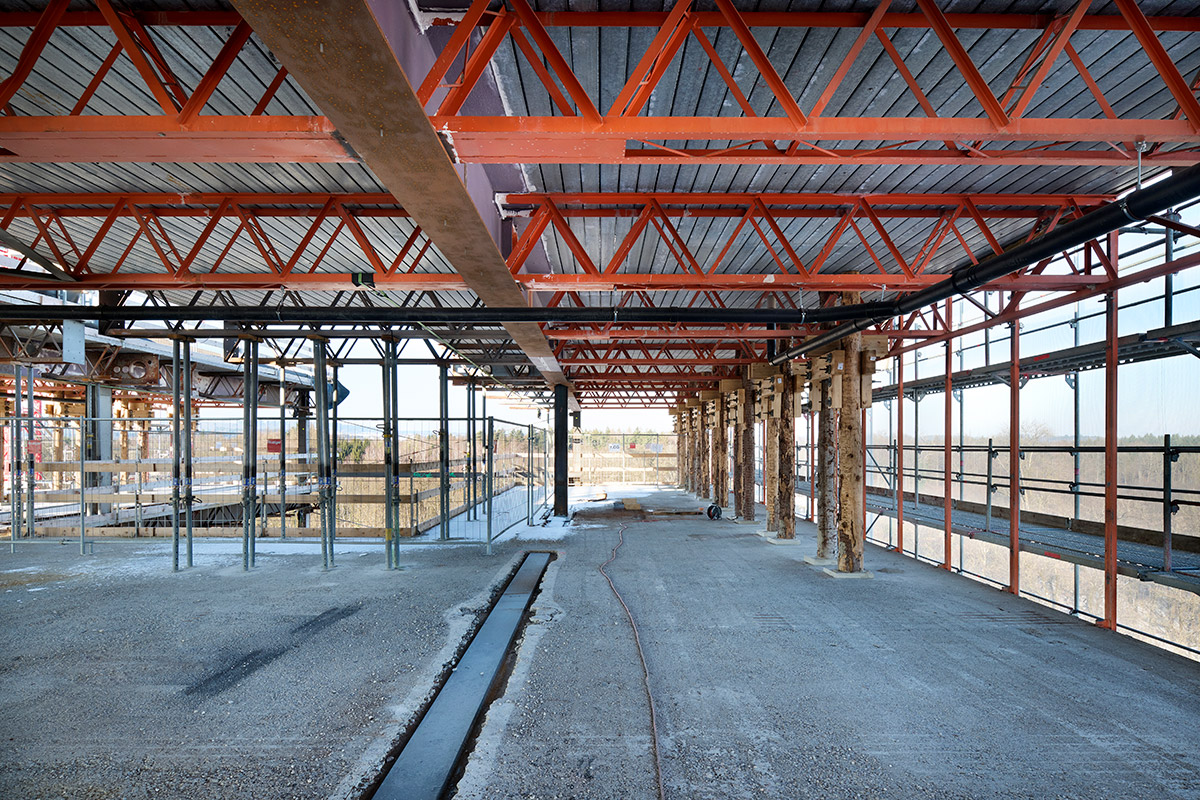
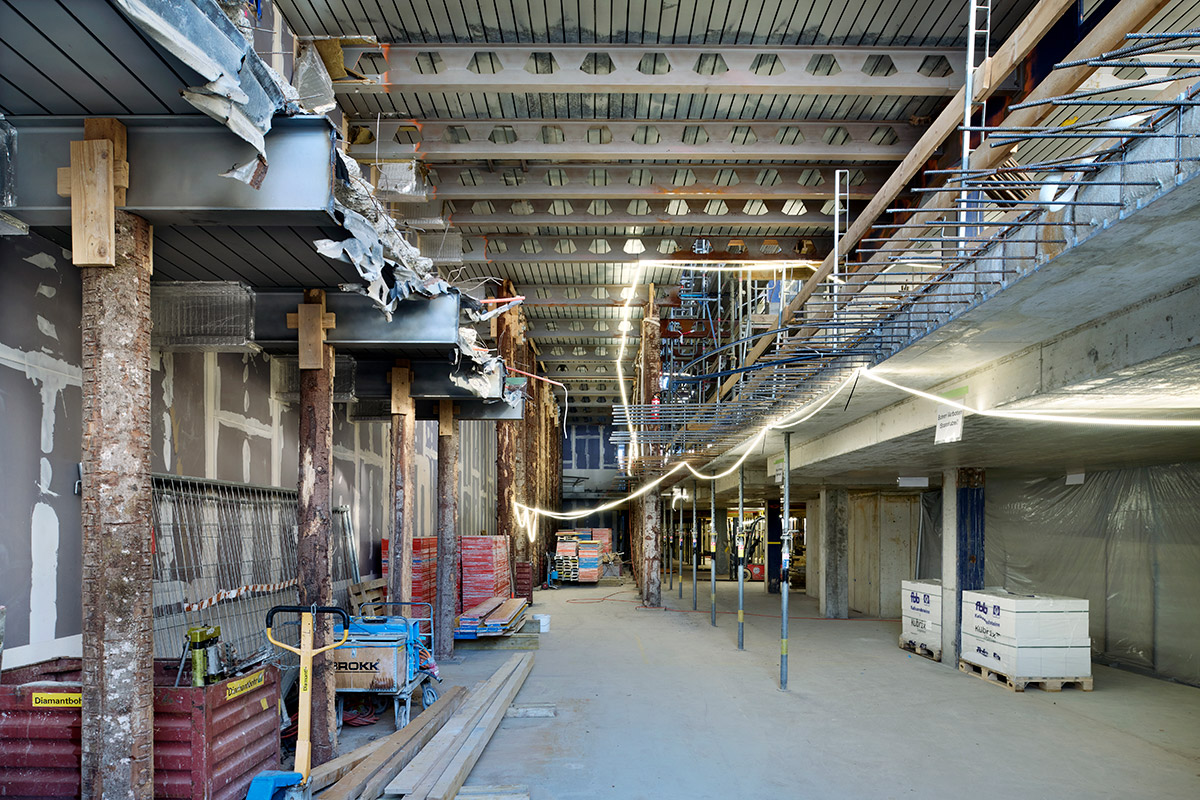
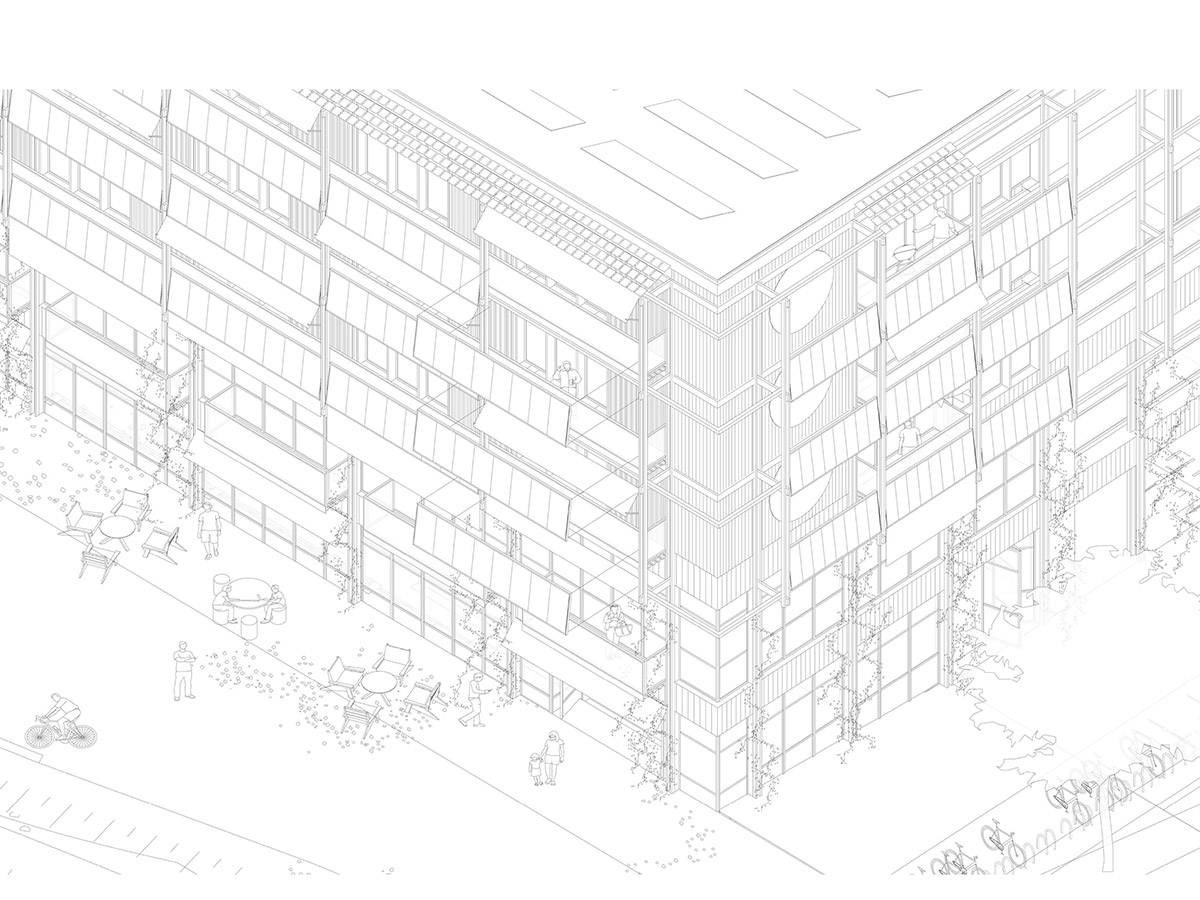
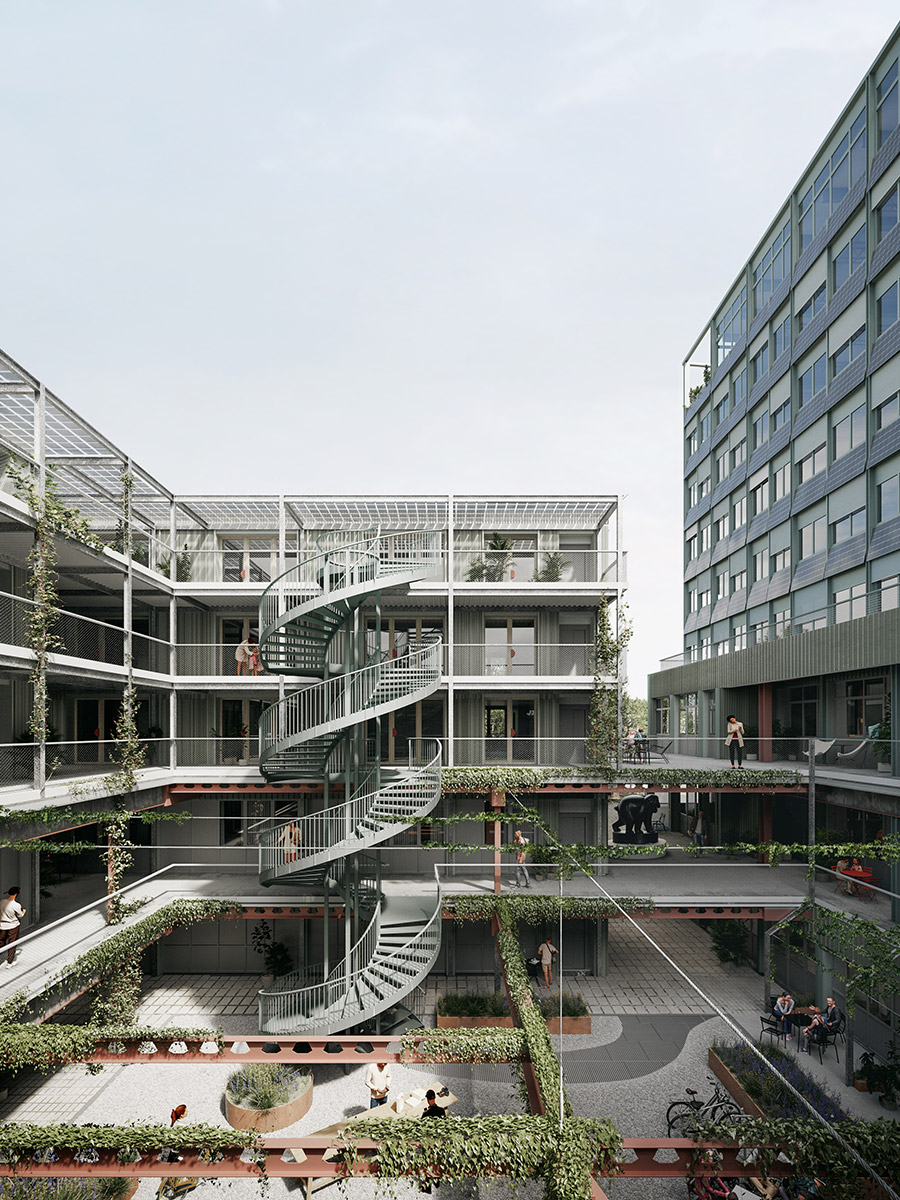
The most sustainable architecture is often that which already exists. For this reason, the lower section, the former production hall – is being converted into apartments. The buildings structure, consisting of the lower section, longitudinal building and access tower will be preserved. A new inner courtyard and partial additions define the scope of the intervention: minimal, but maximising potential. New elements are created from reused components, recycled or bio-based building materials, always separated into different systems for future re-use.
The ground floor serves as a prelude to the upcoming development in the Weyermannshaus neighbourhood, with public passageways. Water retention measures, intensive greening and the opening up of the city stream create both atmospheric and climatic added value.
Cooperation: Synaxis, Ort für Landschaft, Mebatech, Matter + Ammann, Fux Sarbach, Wälchli Architekten Partner, Grolimund + Partner, Zirkular, HP Misteli + Partner, 2ap, Hochtief IKS, Play-Time
Project Team: Nils Andres, Aitor Andueza García, Peter Bögli, Stefan Burkhardt, Marco Cebulla, Marta Czarnecka, Regula Deutsch, Tania García Tubío, Esther Gugger, Eva Herren, Nicole Hofer, Sándor Kaszás, Selina Kiew, Noé Müller, Donat Senn, Christine Wüthrich
Process
Visualizations / Drawings
Website: gwj.ch
Instagram: @gwjarchitektur
Photo Credits: © Thomas Haug, © Alain Bucher, © Susanne Goldschmid, © Play-Time Barcelona
Interview: kntxtr, kb, 06/2026