26/003
Wimberger Modersohn
Architecture Studio
Munich
«Architecture must always remain flexible and provide answers to social and environmental challenges.»
«Architecture must always remain flexible and provide answers to social and environmental challenges.»
«Architecture must always remain flexible and provide answers to social and environmental challenges.»
«Architecture must always remain flexible and provide answers to social and environmental challenges.»
«Architecture must always remain flexible and provide answers to social and environmental challenges.»
Please, introduce yourself and your studio…
We are Anna Wimberger and Rosa Modersohn, the founders of Wimberger Modersohn Architektur. We are based in Munich and established our office to pursue our shared architectural vision. We first met while studying architecture at the Technische Universität München, where we discovered our shared passion for innovative, sustainable, and context-sensitive architecture.
Our design philosophy is rooted in user-centered design and integration with local context. We believe that architecture should not only meet the immediate needs of our clients but also contribute positively to the broader urban fabric and community life. Since our inception, we've had the privilege of working on a diverse range of projects, from renovations to competitions. Each project, regardless of scale, receives our full attention and reflects our dedication to identify and highlight the individual requirements and challenges.
As we look to the future, we're excited about the opportunities to continue pushing the boundaries of architectural design, always with a focus on creating spaces that enhance the lives of those who inhabit them.
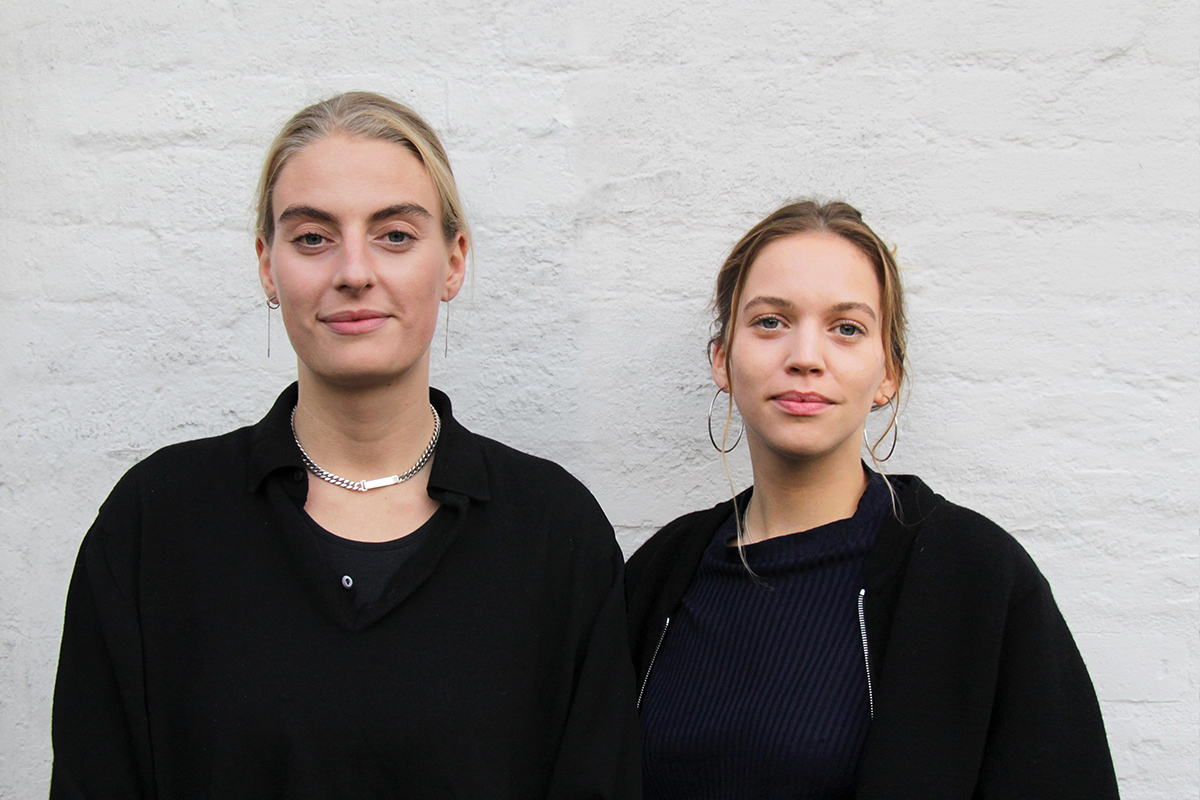
Anna Wimberger and Rosa Modersohn, the founders of Wimberger Modersohn Architektur.
How did you find your way into the field of architecture? What comes to your mind, when you think back at your time learning about architecture?
As we both were fortunate to grow up in families of architects, the influence was present from an early age. From childhood, we learned to truly observe and engage with our surroundings, which later led us both to university, where our formal studies began. Of course, architecture is a field where learning never really ends – though, with time, one certainly becomes faster.
What are your experiences founding your own office and being self-employed?
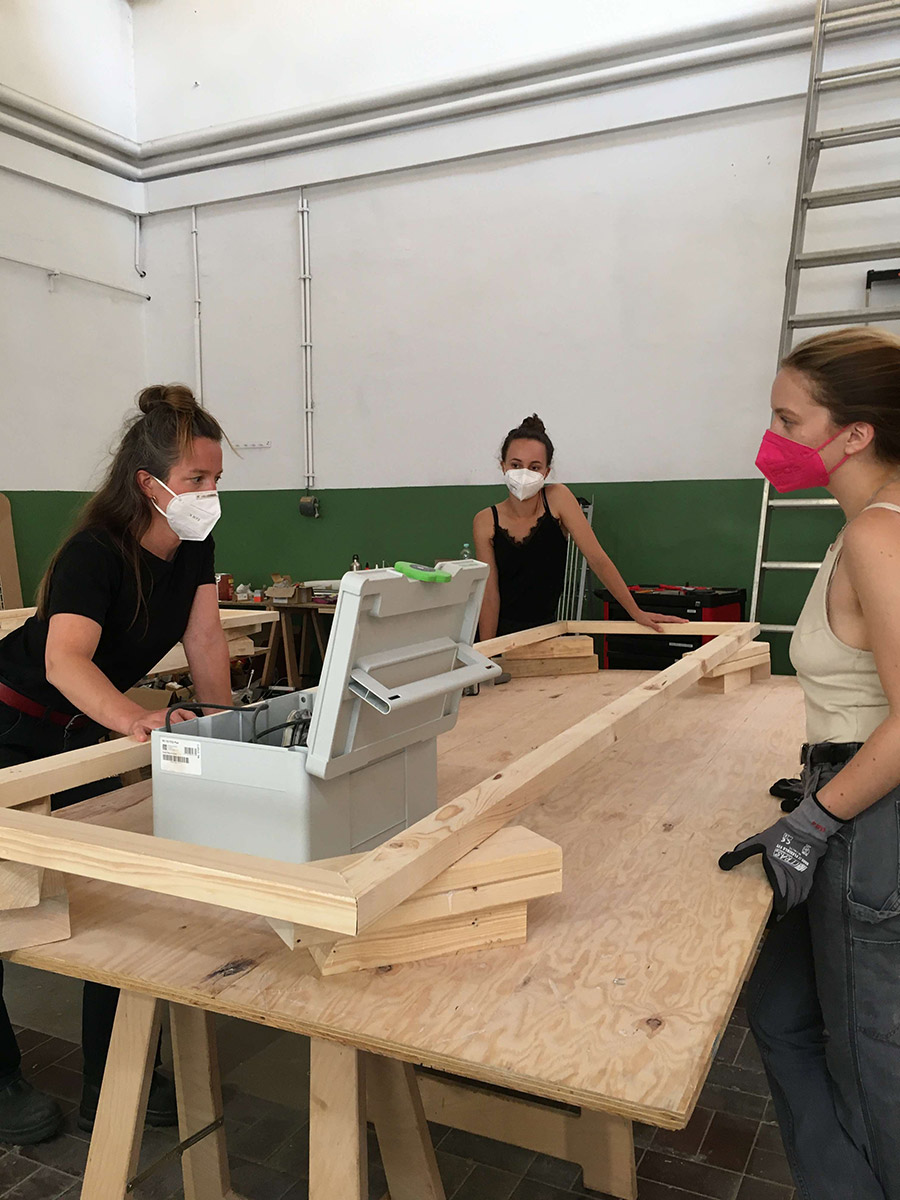
During our studies it became a dream of ours to have our own studio together. Fortunately, we were able to experience and test collaboration and teamwork through two different Design Build projects. where we understood each other without words and quickly became a strong team.
Those experiences laid a valuable foundation for everything that followed. In retrospect, one could call that our first real “opportunity”, something these projects gifted us.
After our master’s thesis, our path was uncertain for a short while, but soon we received a request through friends and family to renovate and expand a single-family house in Berlin. We didn’t hesitate for long and especially the confidence and security we gained from the Design Build projects gave us the nerve to go for it. From that moment, we were essentially self-employed. It wasn’t really planned, it just sort of happened. However, we didn’t take on this first project entirely on our own; we were lucky that both our parents are architects and were able to support and guide us.
For example one decision we made early on and are still grateful for was to stay away from handling taxes ourselves. Having an accountant and a bookkeeper, who also gave us emotional support and guidance, was absolutely essential.
We wanted to focus on architecture, and even so, tasks like insurance, founding the partnership, contracts, finances, and pensions were more than enough to manage, something many can relate to, especially as fresh graduates, when it all felt a bit overwhelming.
Fortunately, we had wonderful support from family, friends, and our much-valued bookkeeper. And we’re still learning. Especially how to find the right balance between acquiring and delivering projects, how to maintain financial security while preserving creative freedom. That, we think, remains our greatest long-term goal, to master this balance someday.
How would you characterize the city you are currently based at as location for practicing architecture?
For us Munich connected to the alpin region is a source of inspiration. Learning from a long existing and sustainable building culture is now more than ever necessary. Also Munich is a great city to be connected with your fellow campaigners and get the opportunity by learning from each other. We still feel deeply connected to TU Munich, its academic community, and the enriching environment it offers. So much valuable knowledge, both technical and practical, has come from our time there, shaping our approach and inspiring us continuously.
What does your desk/working space/office look like at the moment?
We moved in to a shared space the moment we decided to start our own office. To have a place where we kind of feel home was very important to us.
We love to have a cosy atmosphere.
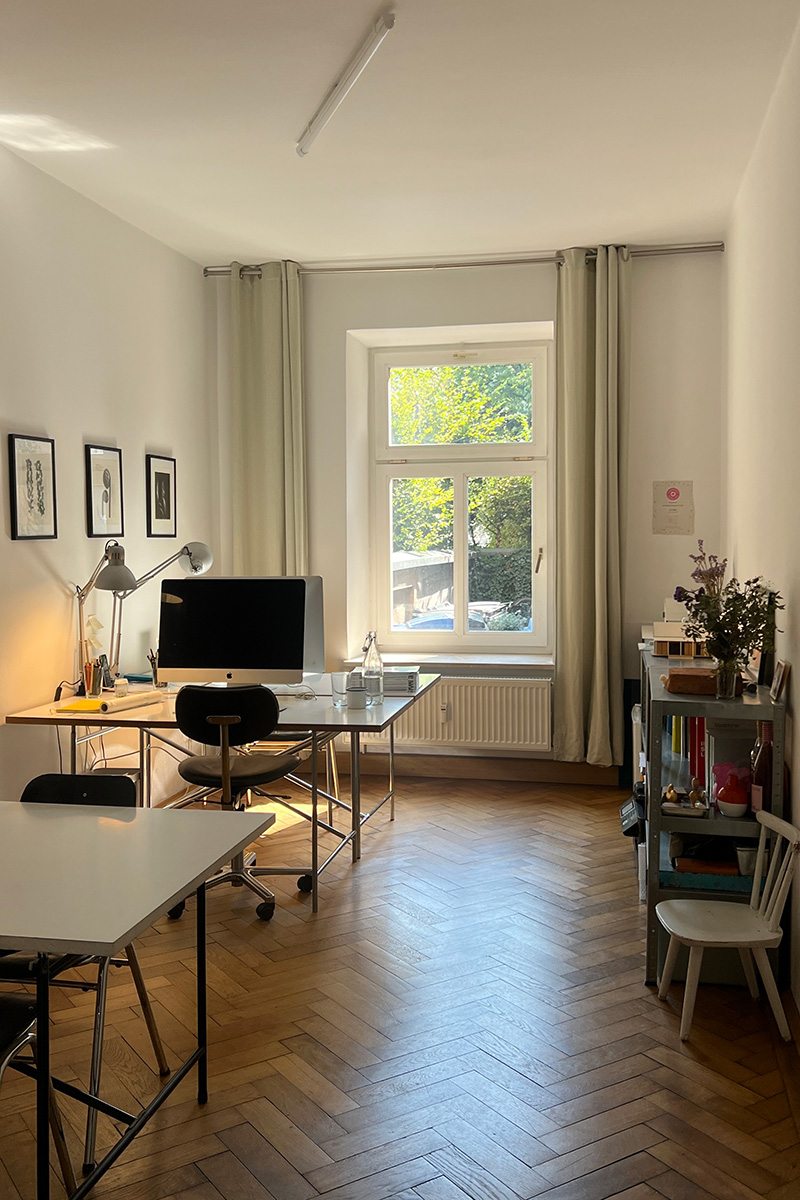
Working Space – Wimberger Modersohn
What is the essence of architecture for you personally?
We aim to create spaces and places that enrich their surroundings and respond meaningfully to their context, so that the people who use them feel understood, supported, and at ease. We also seek to enhance existing structures in a way that allows them to speak for themselves or, through careful and necessary additions, to create something new.
What needs to change in the field of architecture according to you? How do you imagine the future?
A sincere and sensitive approach to how we treat one another and our planet. Architecture must always remain flexible and provide answers to social and environmental challenges, for a more democratic and ecological future.
What essential actions do we need to take as architects now regarding a more sustainable future for everyone?
MODIFICATION! Imagine we could learn to really deal with our existing surrounding. Also we do support the high priority for transforming the already built. As this is nothing new, it also requires a stronger legal framework and greater political facilitation.
If there were one skill you could recommend to a young architect to study in depth at architecture school: what would it be and why?
Sketching details by hand – if you are able to sketch a complex situation, you really undertsand it. Also always stay curious and open to new ideas, question the status quo, and never stop sharing and growing together.
What is your favorite tool to design/create architecture and why?
There’s not just one way because every tool produces different outputs. Although we appreciate doing physical models as an impression of sensitive atmospheres or a reproduction of complex situations which still challenges your phantasy and imagination.
Do you think AI is changing the field of architecture?
Indeed. There will be a bunch of side effects, as we can get faster and safer. However, we believe there’s no reason to rest. We imagine this could even be more dangerous for architectural design and processes, as the human perspective is fundamentally important.
Project 1
Extension and refurbishment of an existing semi-detached house in Augsburg
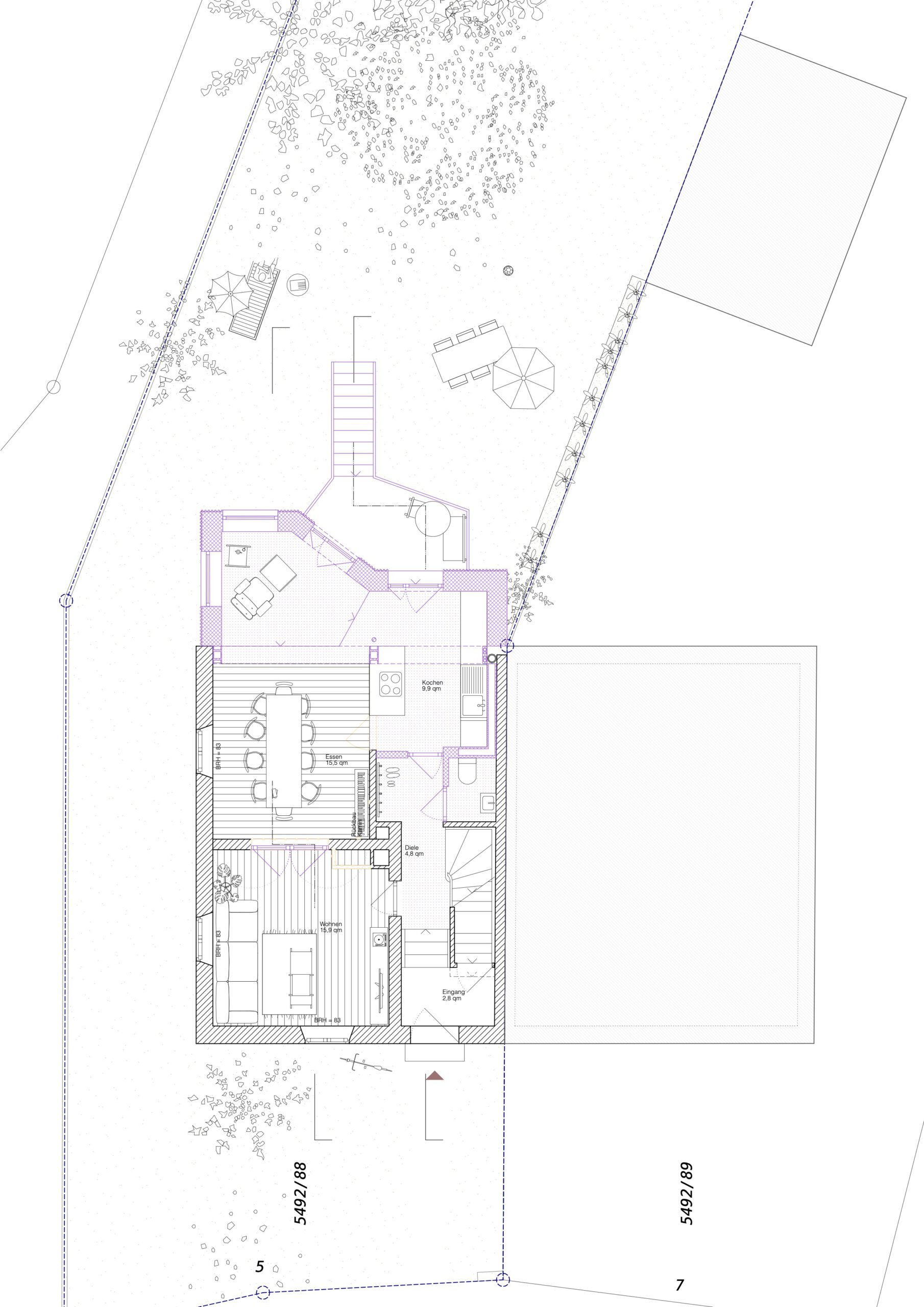
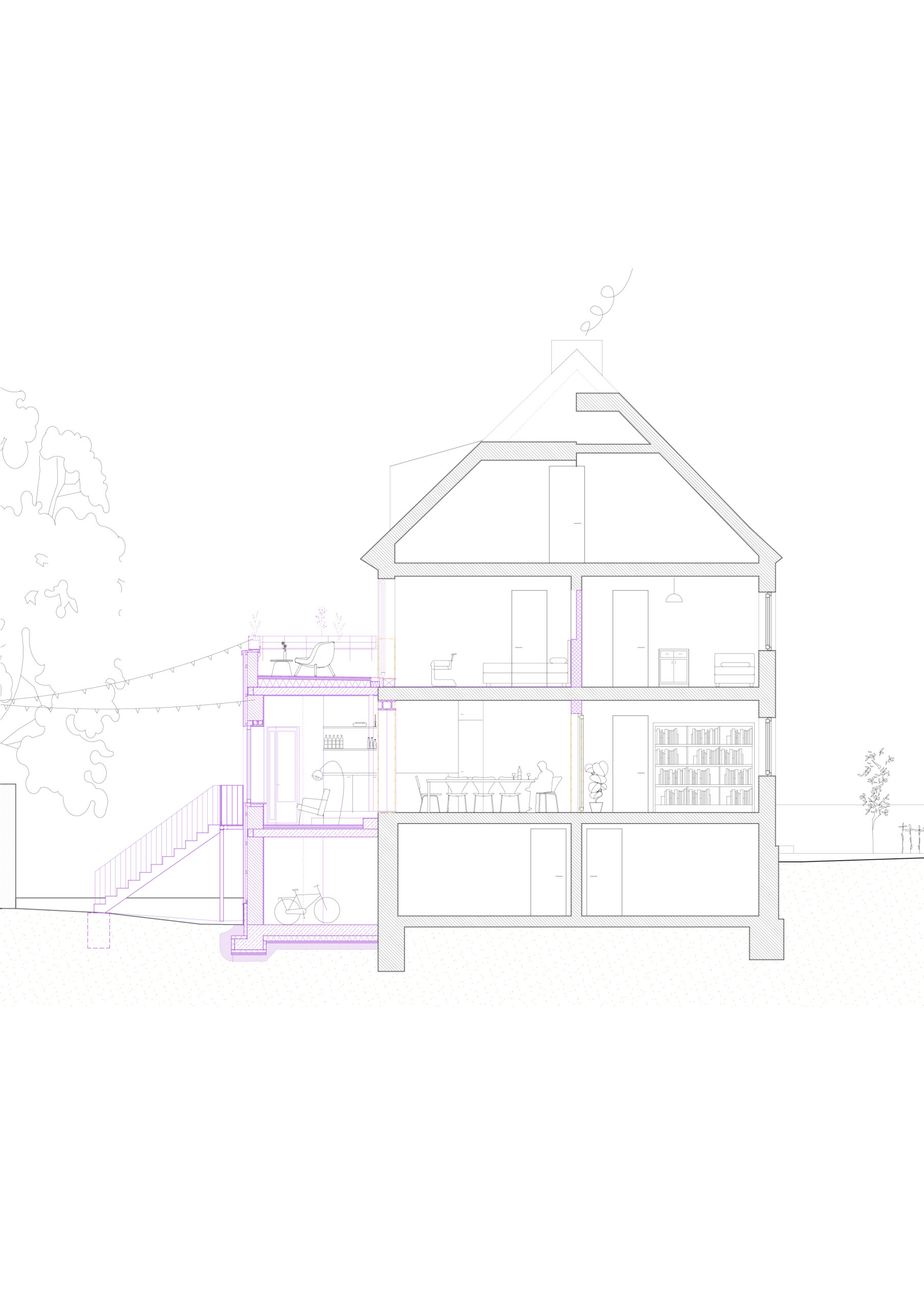
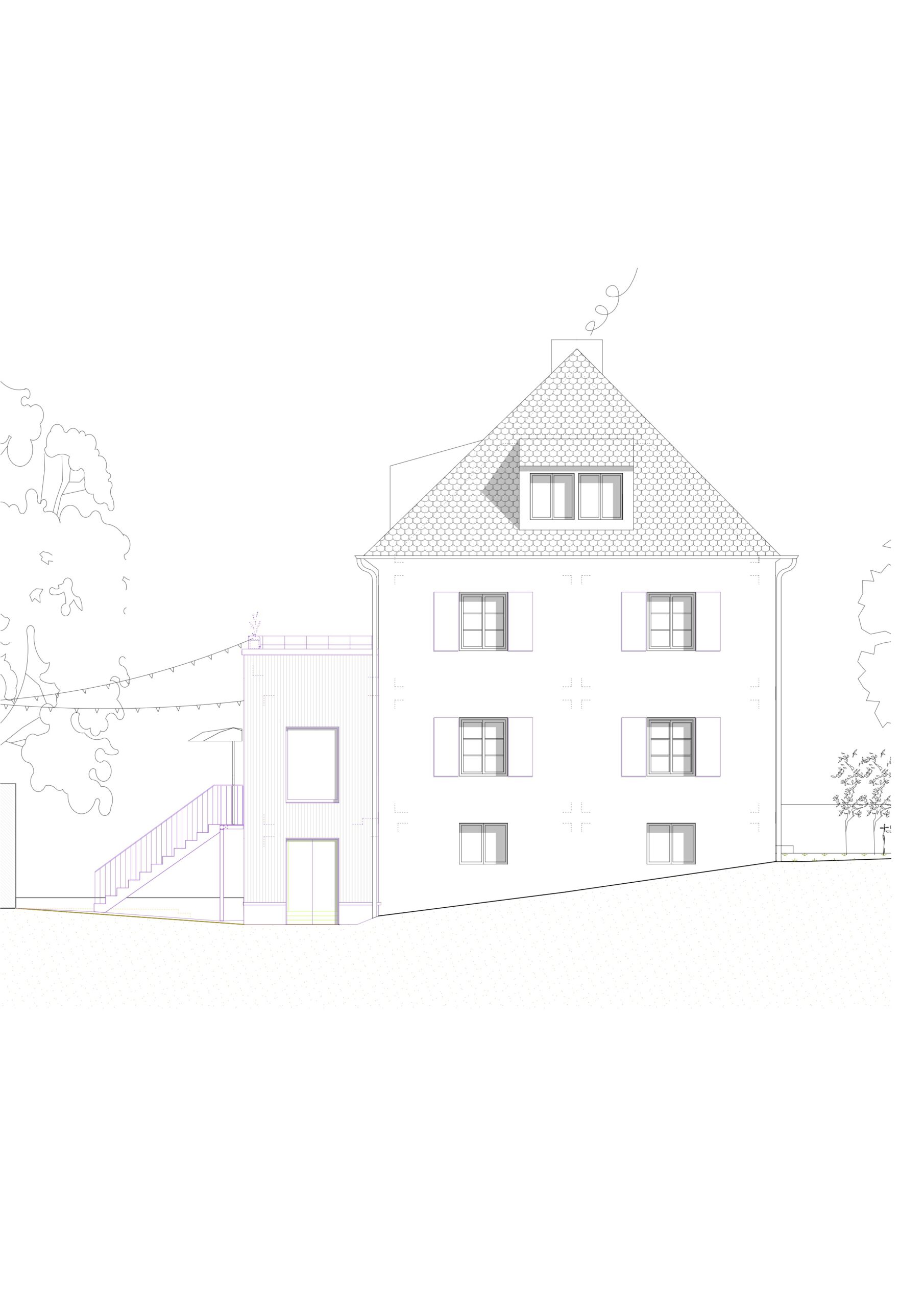
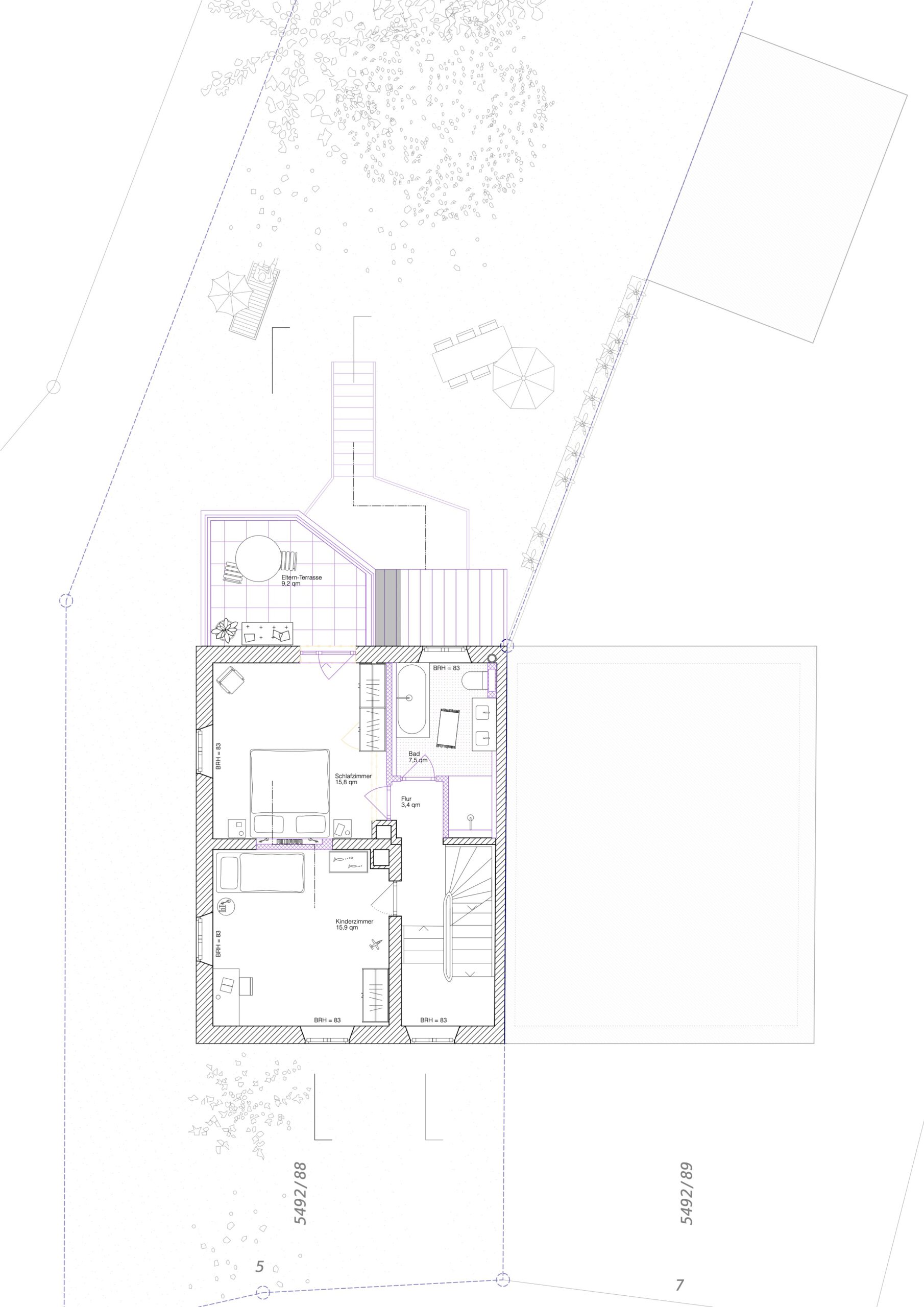
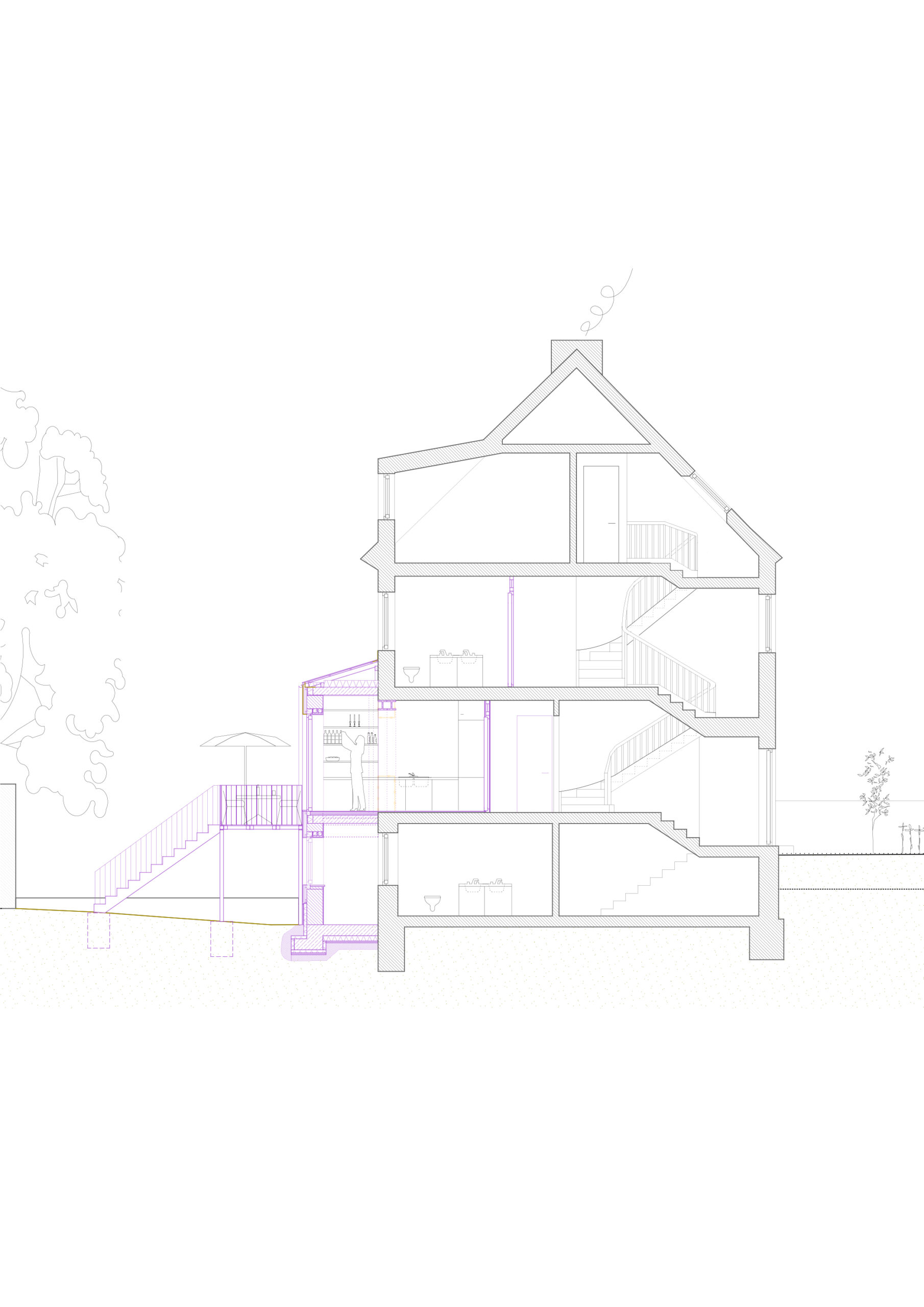
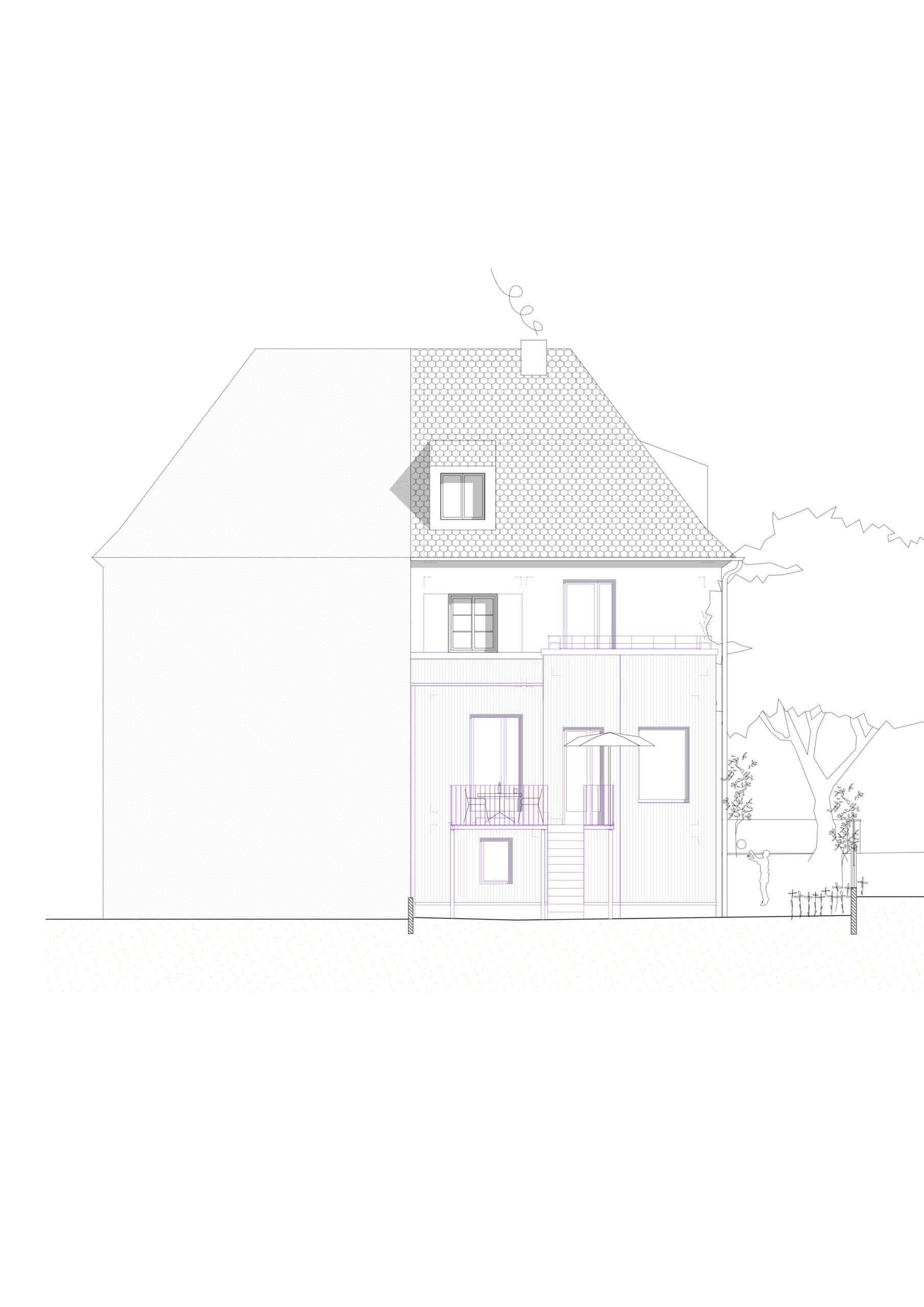
The building project involves the construction of an extension and the refurbishment of an existing semi-detached house in Augsburg. The planned extension is intended as an expansion of space. With an area of about 15 m², it is designed to provide a new sense of openness to the living, dining, and kitchen area.
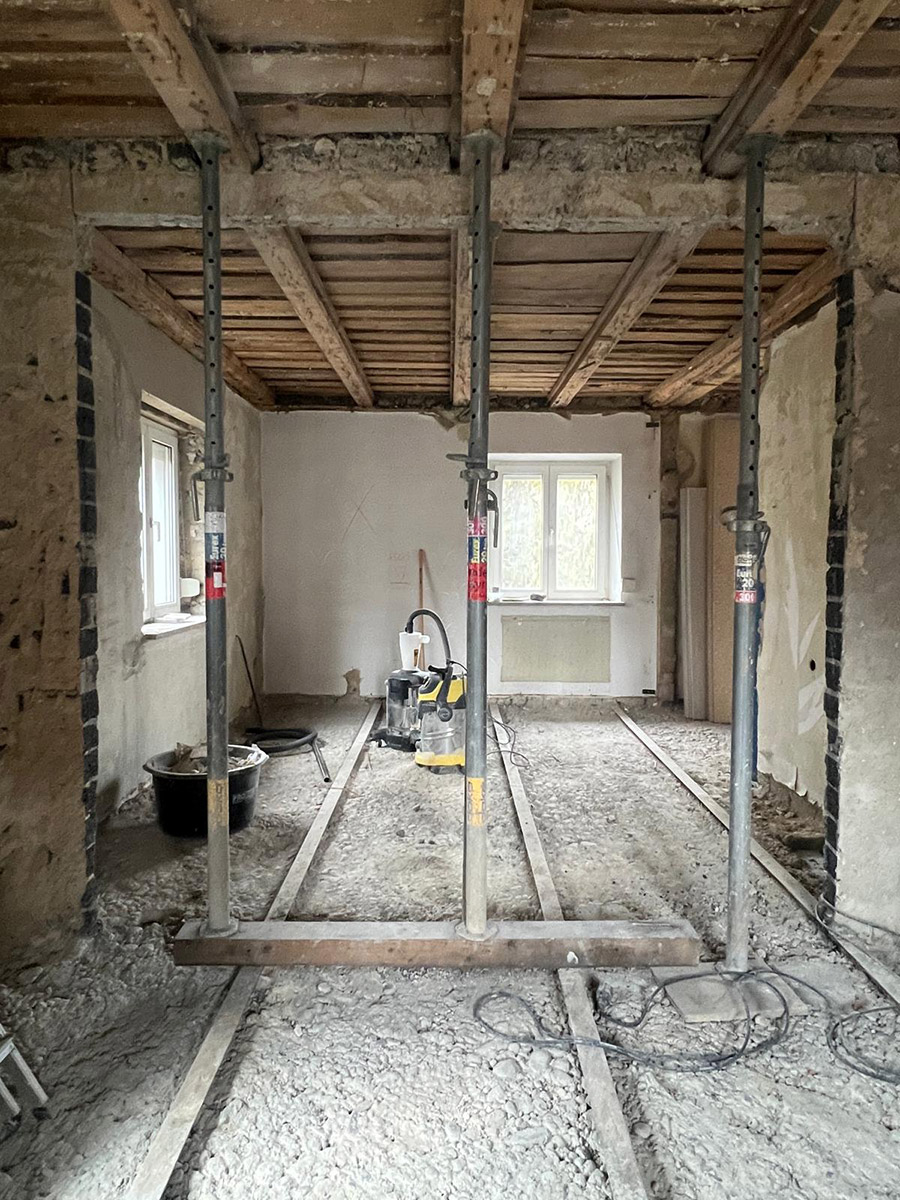
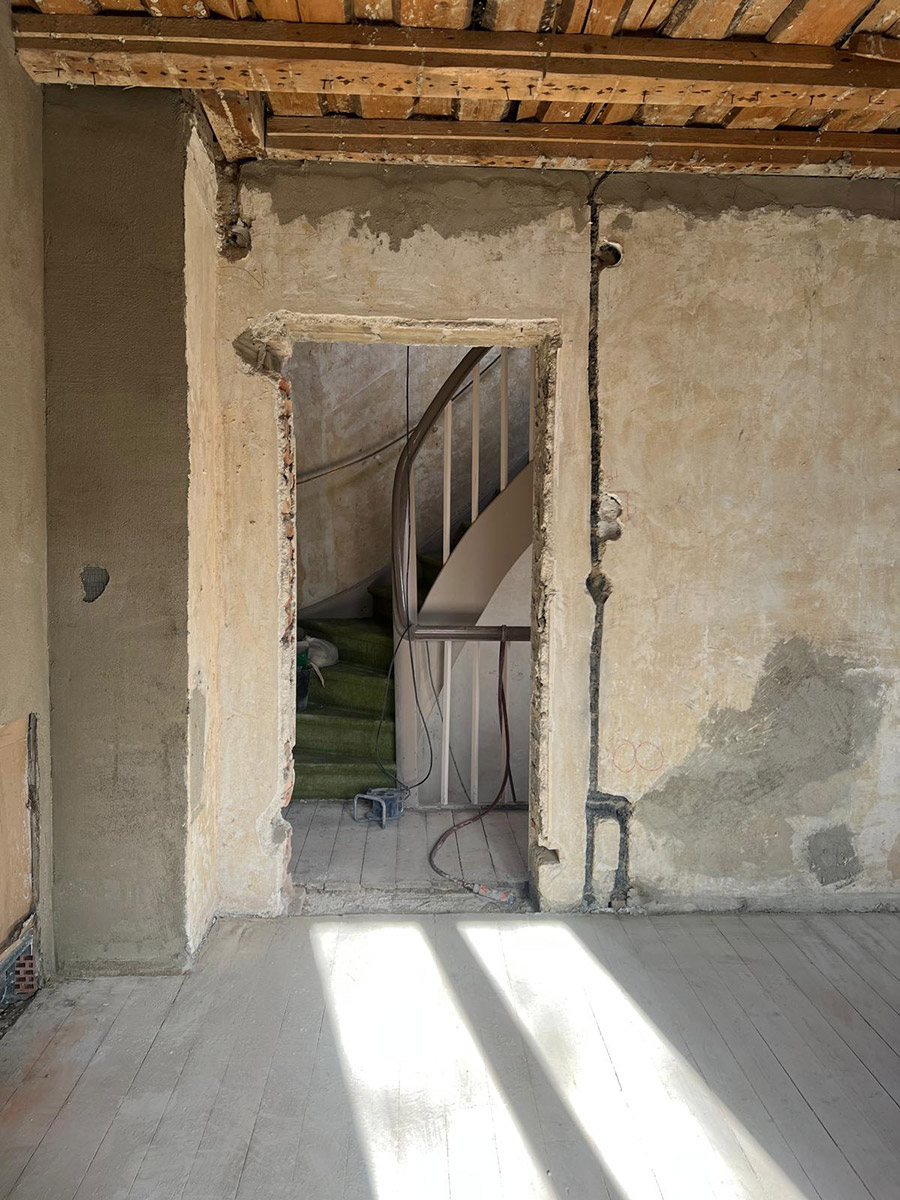
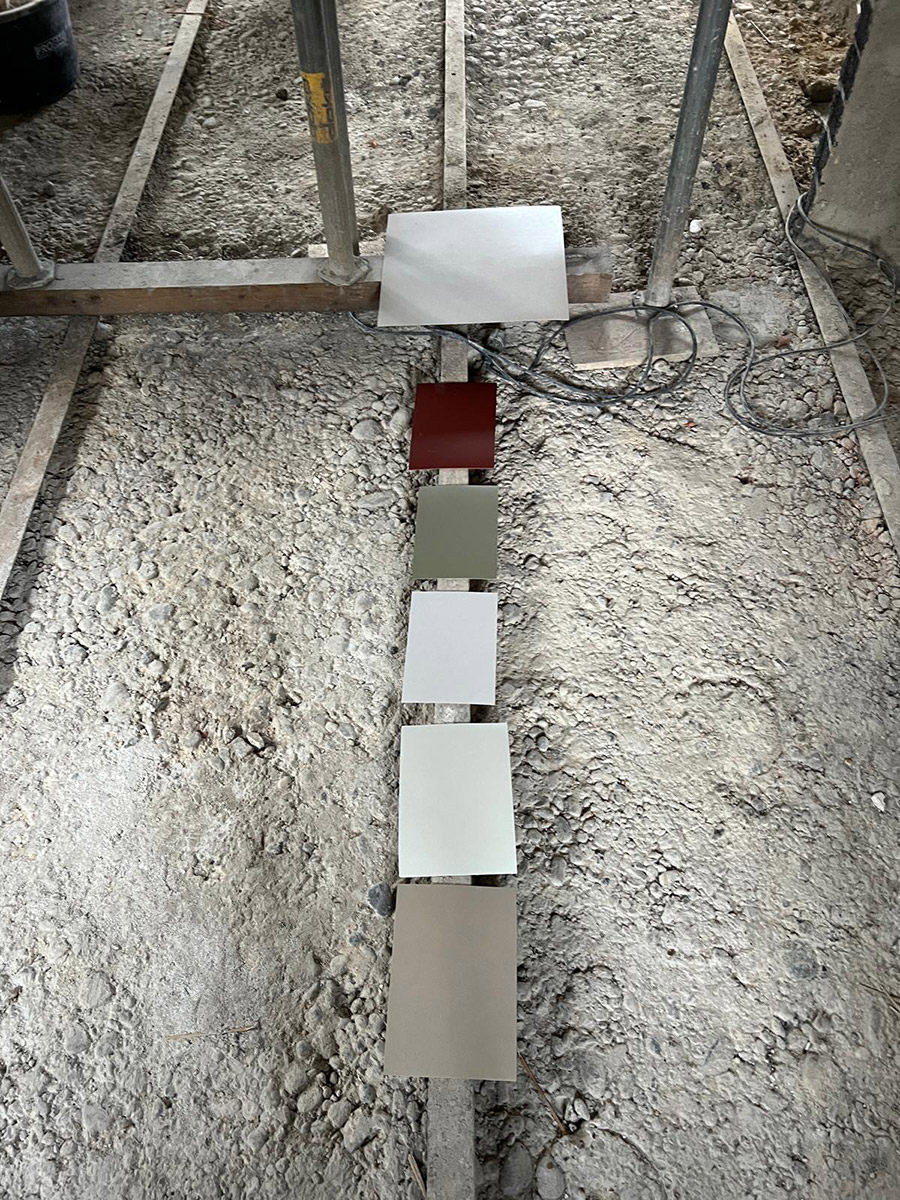
The refurbishment of the existing building will be largely planned and carried out by the building family themselves. The restructuring of the ground floor, as well as consulting on the refurbishment process, is also considered part of the project.
Conceptually, the existing living structure is expanded by the new extension, and the living area is newly zoned. An opening between the living and dining area is intended to connect them, while still allowing for the option of separation. A direct connection to the garden will be made accessible from the ground floor. Horizontal and vertical sightlines are staged to create a generous spatial quality despite cost constraints.
Refurbishment
Project 2
St. Quirin-Platz
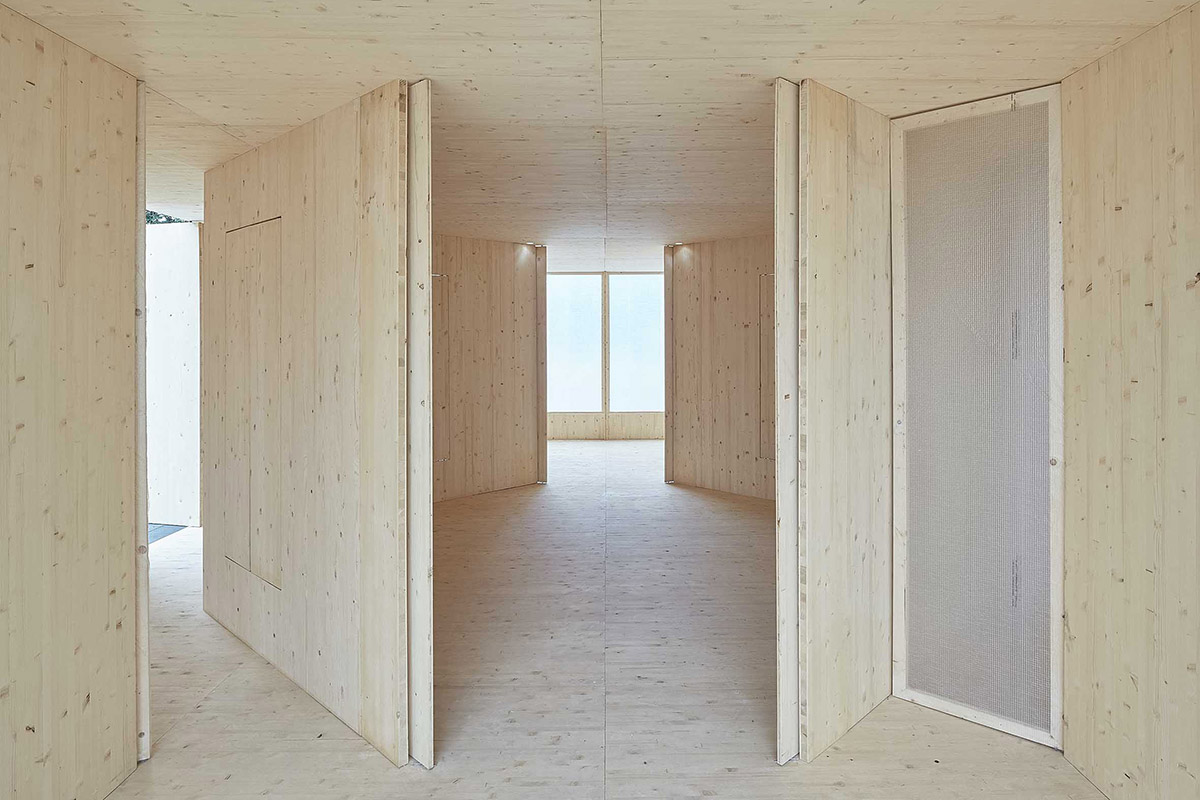
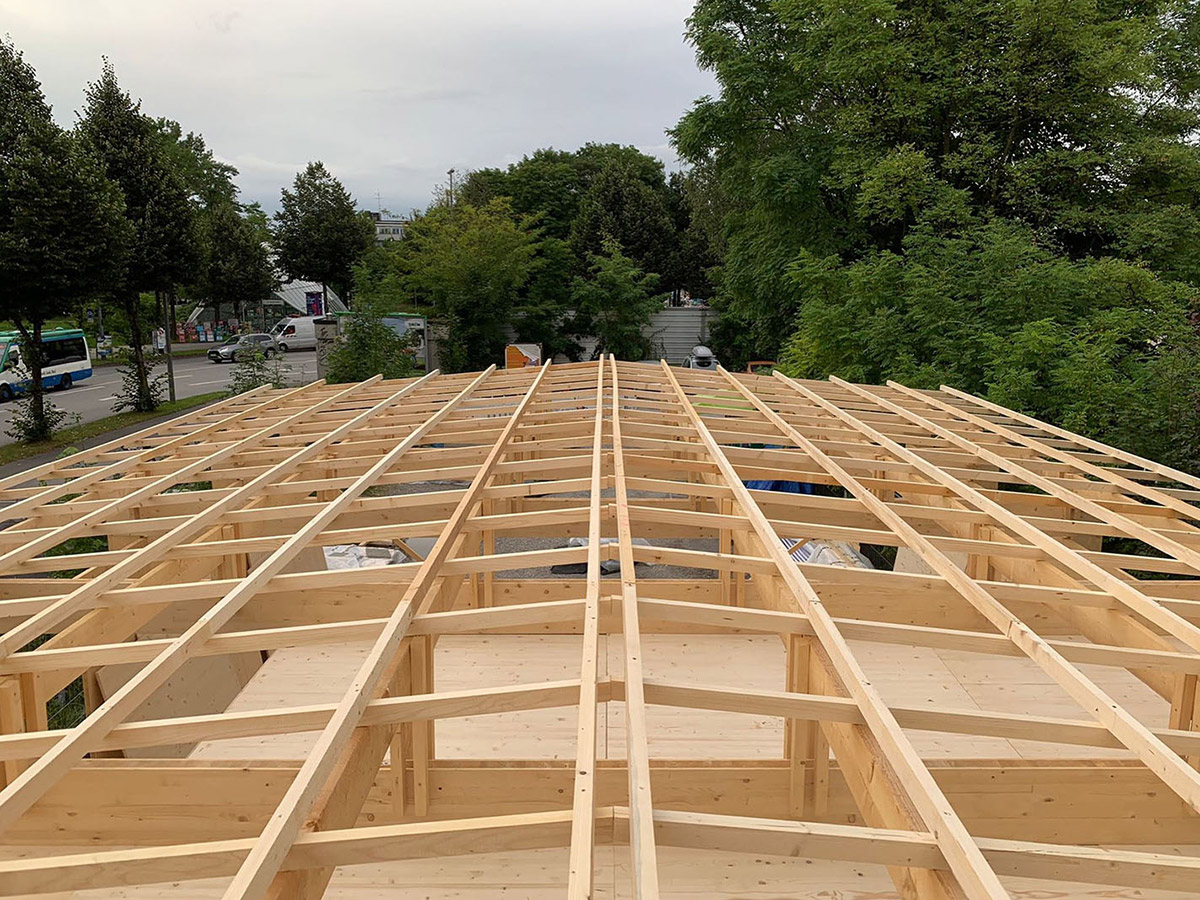
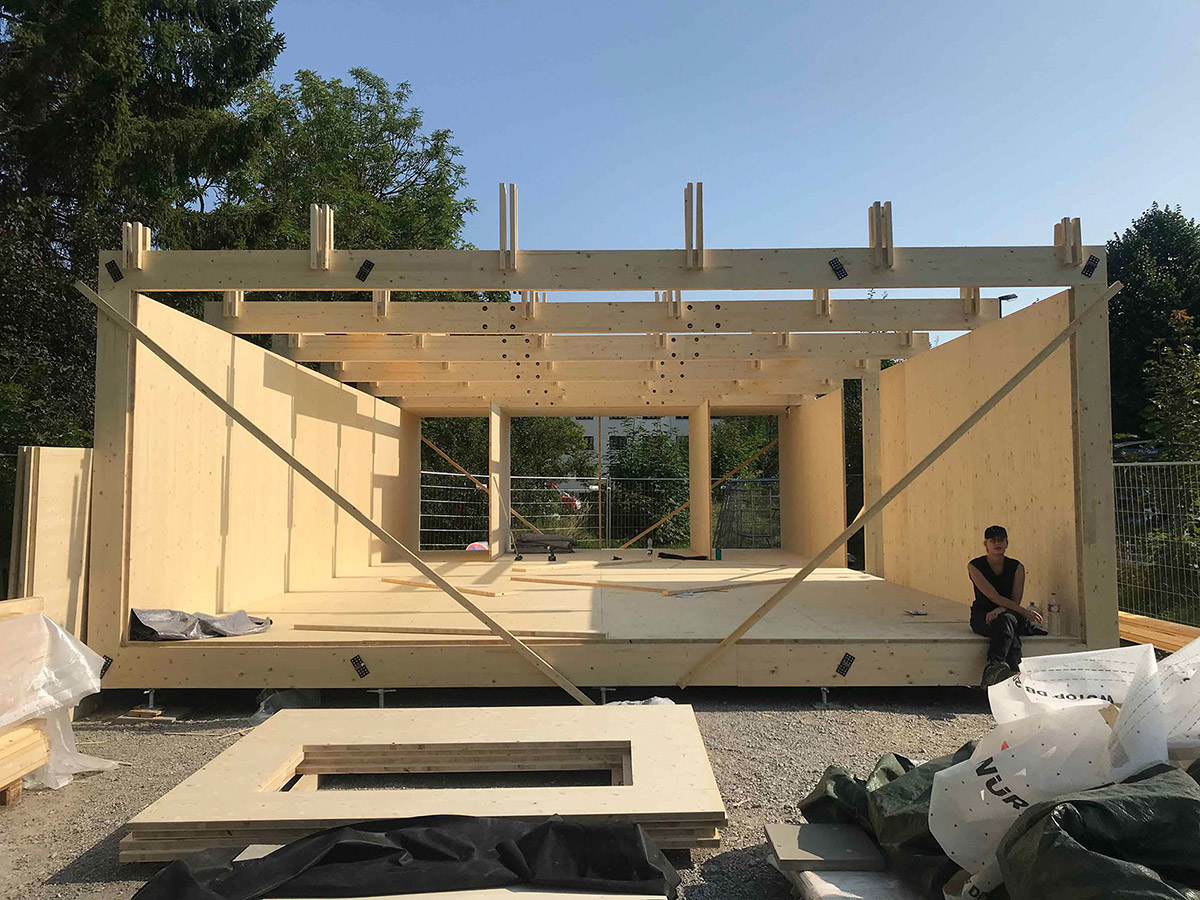
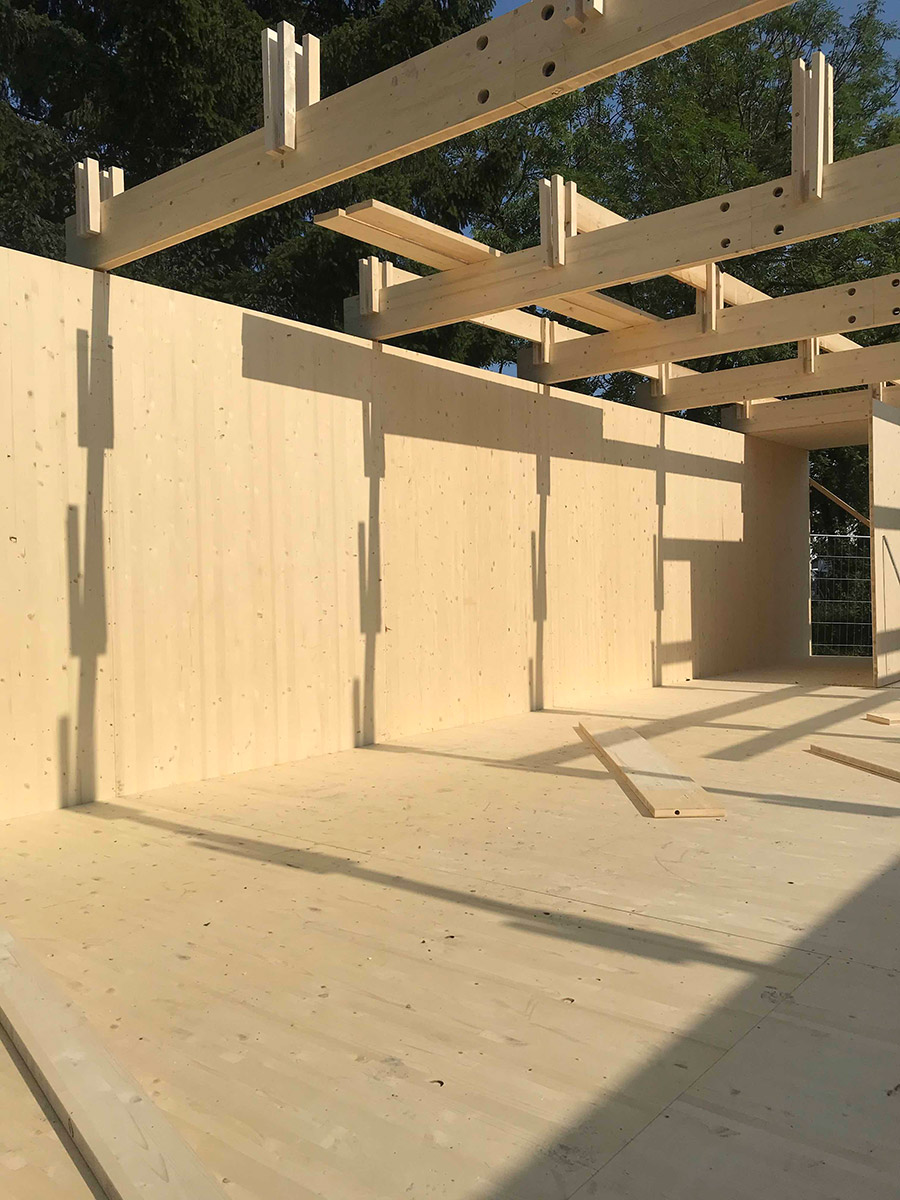
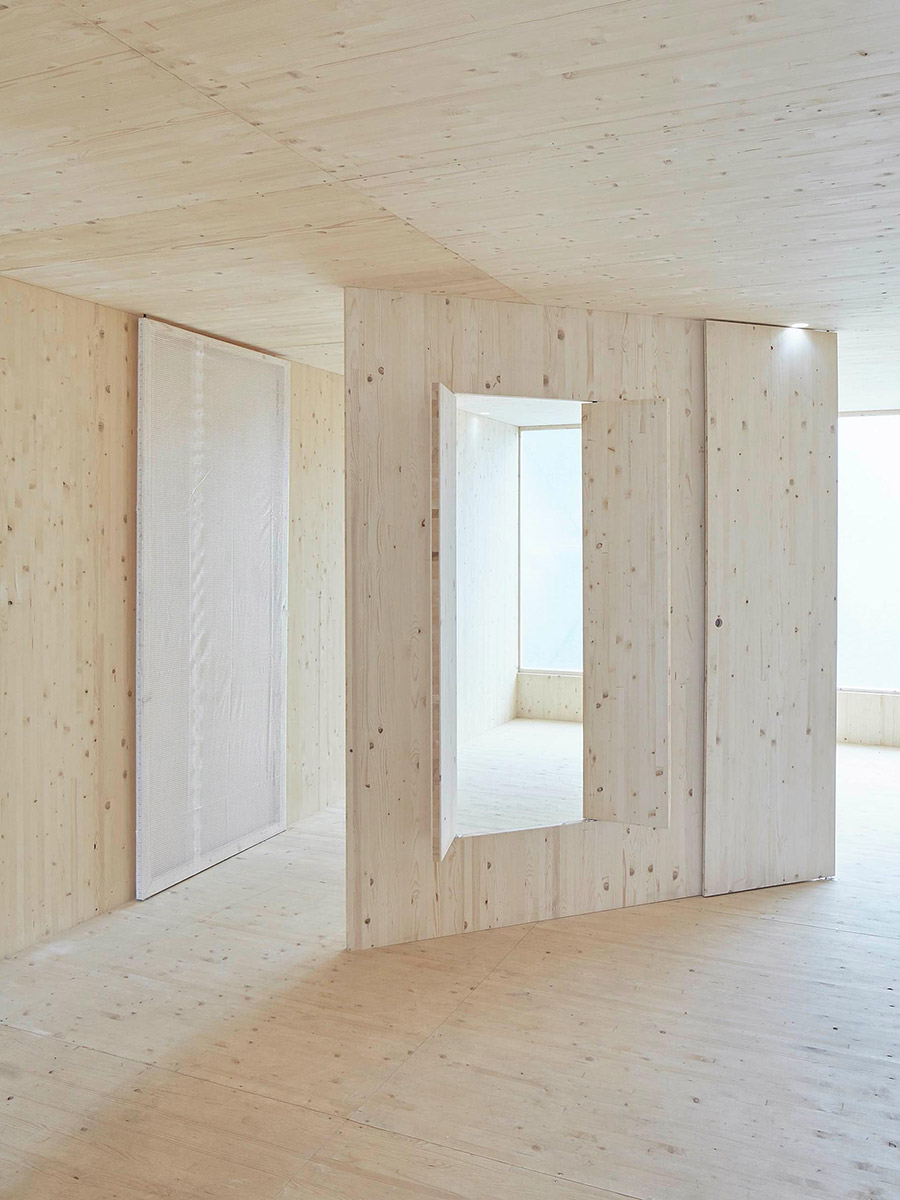
The fallow land named „St. Quirin-Platz“ represents an unused place in the city of Munich. Kooperative Großstadt eG is drawing attention to the potential of these places. The event pavilion in form of a 1:1 mock-up of a model apartment offers space for meetings and discussions. The reduced wooden construction, the construction principle of which is based on the use of only one panel material, was founded by the students of the Technical University of Munich as a self-build project.
The architecture of the apartment is used to explore new forms of urban housing that attempt to integrate social and cultural infrastructures. The expanded idea of the central room with individually switchable rooms allows maximum flexibility in use. This flexible transformation makes different living arrangements and events possible without having to change the rigid basic structure as a whole. Numerous activities and program items took place as part of an event series.
St. Quirin-Platz
Website: wimbergermodersohn.de
Instagram: @wimbergermodersohn
Photo Credits: Portrait: Corbinian Büchner / Project 1: Rosa Modersohn / Project 2: Rosa Modersohn, Matthias Kestel
Interview: kntxtr, kb, 03/2026