26/007
OFREIA
Architecture Practice
Zurich/Ticino
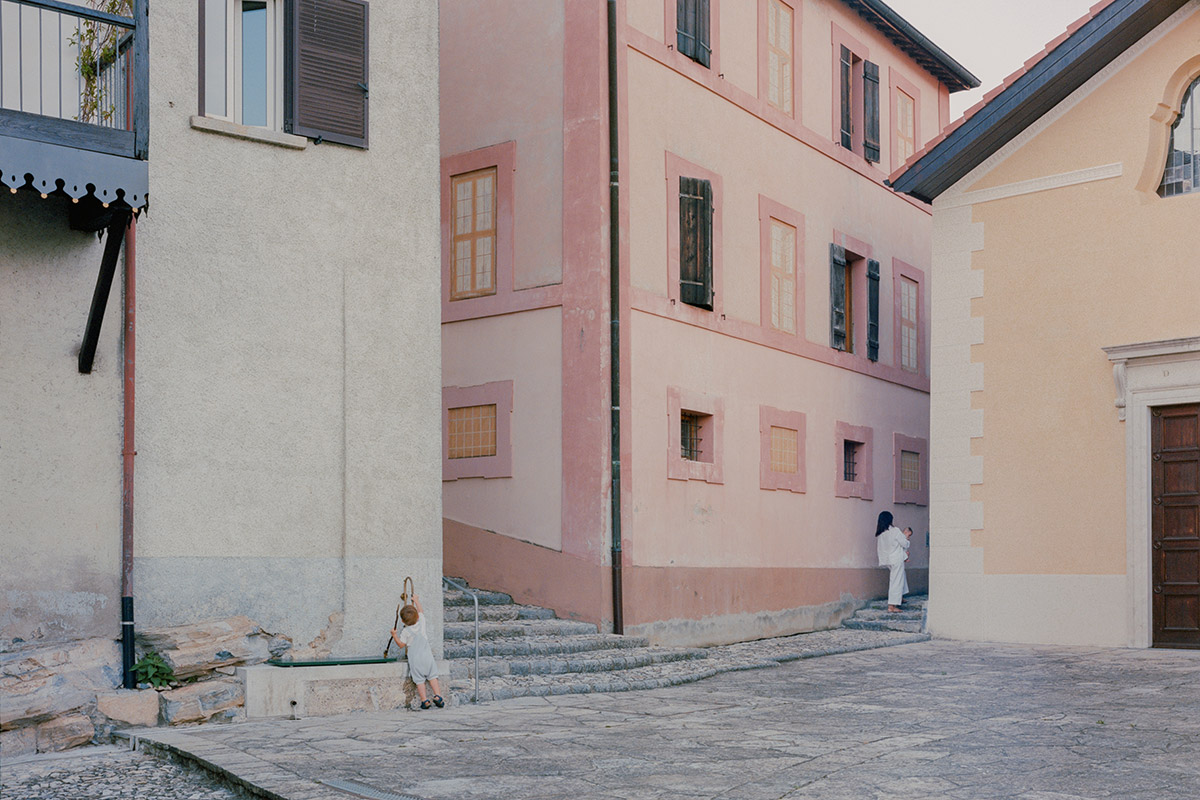
«Architecture is less an object to be admired than a situation to be inhabited.»
«Architecture is less an object to be admired than a situation to be inhabited.»
«Architecture is less an object to be admired than a situation to be inhabited.»
«Architecture is less an object to be admired than a situation to be inhabited.»
«Architecture is less an object to be admired than a situation to be inhabited.»
Please, introduce yourself and your studio…
OFREIA – Office For Revealing Encounters In Architecture – is a Swiss practice based between Zurich and Ticino. I founded it after several years of co-leading StudioSer Architects, growing out of that shared experience as a more personal continuation and sharpening of an architectural position developed through practice, teaching and research.
Our work begins with careful observation of a place and its existing material, spatial, social and historical qualities. Rather than imposing new narratives, we are interested in continuing and revealing what is already there, often through small and precise interventions. The aim is often not to add more, but to create the conditions for latent qualities and encounters to emerge over time.
The work frequently moves within territories that stretch the boundaries of what is conventionally understood as architecture, reading possibility well outside the limits of the building. We are drawn to the grey zones between architecture, landscape architecture, sociology, territorial research and urbanism, mending the overlaps and frictions between disciplines that have become increasingly separated through ongoing processes of specialisation.
This also means accepting the recurring question of whether certain forms of our work still belong to the discipline of architecture. We do not understand this as a threat, but as a productive and necessary space in which urgent spatial questions can be addressed – not with the aspiration to solve it all, but with the ambition of contributing with intention.
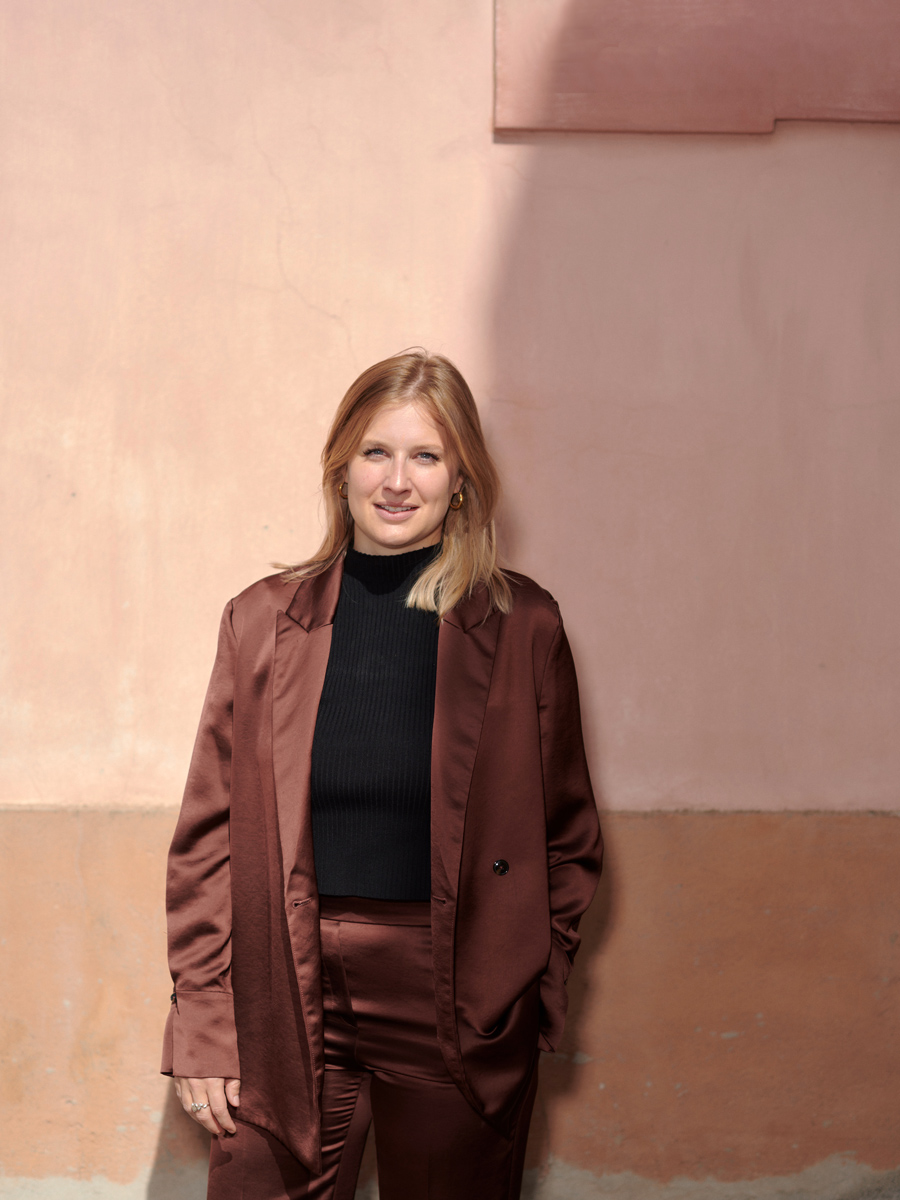
Portrait Rina Rolli, ©Flavio Karrer
When did you understand that architecture is more than a building?
There is a discomfort that comes with the question, – that I know well, because I am asking myself this questions regularly. Does this still count as architecture? Is what I am doing still within the discipline?
At some point I stopped trying to resolve that discomfort and started trusting it as a signal. The moments where the answer is least clear are usually the most interesting ones to sit with this feeling. Architecture, for me, is less about choosing the building or not the building, and more about maintaining an attitude – a way of reading, questioning and engaging with a place – that remains consistent regardless of what form the work ultimately takes.
When did you understand that architecture is more than building?
The first project after university is where theory met reality – and reality won, in the best possible way. What the brief described was one thing; what the place actually was turned out to be something far more layered, more contested, more alive, more challenging but also more rewarding.
Until then, a project was an exercise to shape my design skills, to satisfy myself, or at most, to convince a professor. When one is suddenly intervening in the everyday life of real people responsibility shifts. This is both humbling and overwhelming. The stakes change completely. You are no longer the primary audience of your own work.
What Monte taught me and what I carry into every project since is that a place already has so much going on before you arrive: social dynamics, historical sediment, relationships, tensions, habits. Building means entering something already in motion. You cannot ignore that, and you shouldn't want to. I learnt that complexity isn't an obstacle. It's the actual material you're working with from the beginning.
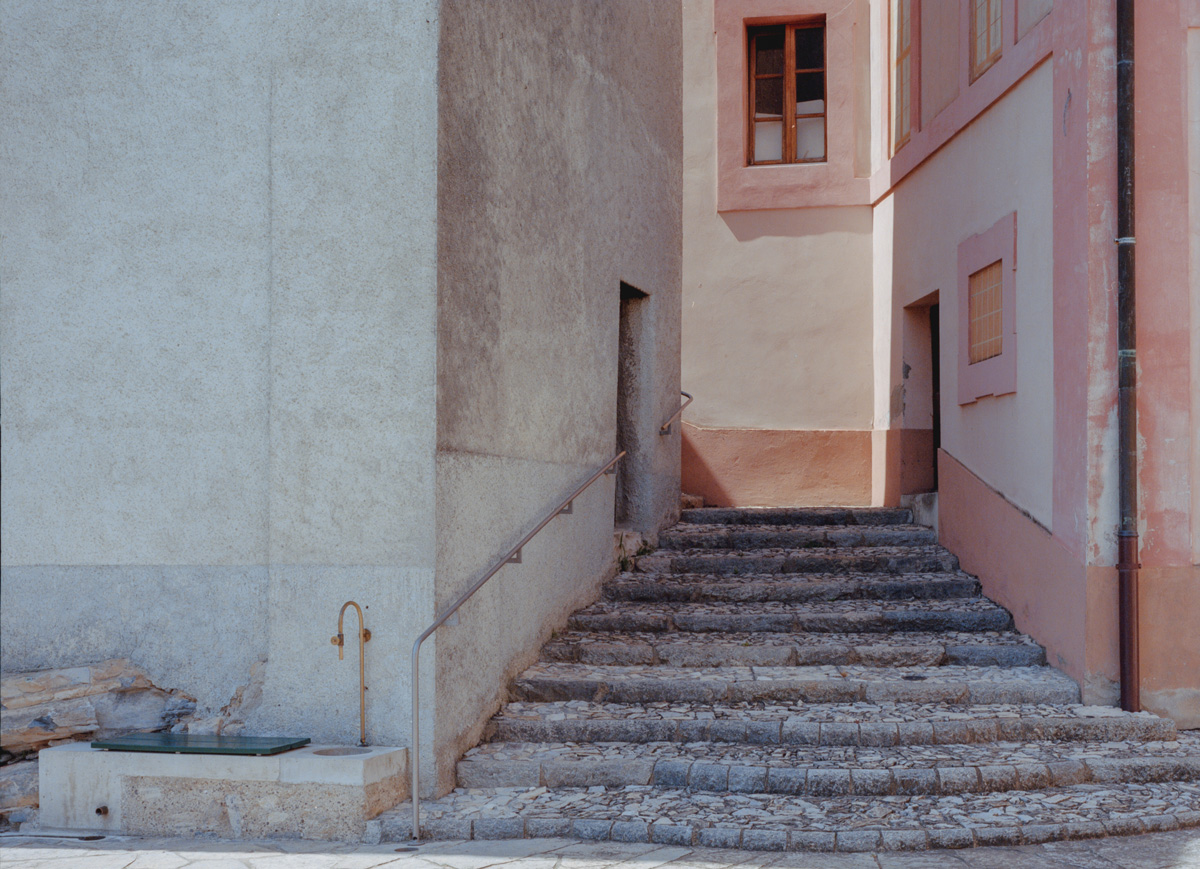
Monte, StudioSer, 2022 ©Federico Farinatti
Why was founding OFREIA necessary at this moment?
Founding OFREIA was less a sudden decision than a moment of clarification. After several formative years co-leading and shaping a shared architectural attitude at StudioSer, it became evident that different understandings of direction, authorship and responsibility were emerging between us. Rather than diluting these differences, I decided to allow them to unfold independently.
Establishing a new practice meant rearticulating a position that had already been developed in dialogue. It required both distance and precision: clarifying what should be continued and what needed sharpening. Restarting can feel like erasing the past, but looking back, it rather feels like realigning it.
This clarification extended even to the naming of the practice. In a discipline where offices are often identified through personal names, I deliberately chose a name that does not center the work around an individual figure. It reflects a critical stance toward personality-driven attribution and keeps the structure open, conceptually and practically, for future partnerships and evolving constellations.
The shift from a shared structure to leading an independently positioned practice brought both freedom and weight. Decisions are made faster, but they also carry full responsibility. Leading an office while engaging in teaching and research, and navigating the structural expectations placed on women in their thirties, adds another layer of complexity. The negotiation between professional ambition, intellectual work and private life is not an abstract debate; it is a daily negotiation of time, visibility and endurance.
How would you characterize the location of your practice and its influence on your work?
The practice is based between Zurich and Ticino, moving within the tension between a city where architectural discourse is actively shaped and debated, and a territory I know by heart. Zurich offers proximity to academic institutions, a dense cultural network and the kind of anonymity that allows for much-needed distance and reflection. It can also be saturating: a city dense with architecture and architects, in ways that are sometimes stimulating and sometimes simply a lot.
Much of the work is rooted in Ticino – the place where I was born and grew up, and where I have recently shifted part of the center of my life, into one of its valleys. It is a place of great beauty and deep familiarity, and at the same time somewhere I have always felt partly as an outsider. You want to return to it without quite wanting to go back.
I am aware that this ambiguity sits in a certain contradiction with the work itself; an architecture grounded in care for peripheral places and their communities, practiced by someone who also needs the escape of/to the city. I don't fully resolve that tension. But perhaps it is also just another grey zone. Neither fully inside nor fully outside and by now, that is a position I feel comfortable working from.
How does the territorial context in which you work shape your architectural thinking?
Territory is not a neutral setting. It is the primary and most relevant of references for each project. Its spatial structures, social dynamics and material histories shape the questions that can meaningfully be asked before anything is proposed.
Close observation means going back . Not once, not twice. It means sketching the materiality of a context obsessively, and revealing its historical layers with something closer to the attitude of an investigator – digging in archives, tracking down traces, reading what people and time have left behind. But it also means observing with the ears: listening to the people whose lives you are intervening in, following the subtle marks that everyday appropriation leaves on a space. Understanding that a territory is not only physical matter, but social matter too. And that engaging with it is, in my opinion, not a question of the often-used term of participation. It is a question of empathy.
From this process emerges a sense of what should be strengthened, what should remain quiet, and where articulation is necessary. Some contexts call for visibility and definition; others demand continuity and restraint. And refraining is as difficult, if not more difficult, than intervening. Arriving at the minimal necessary requires as much work as any other architectural decision perhaps more, because there is less to show for it.
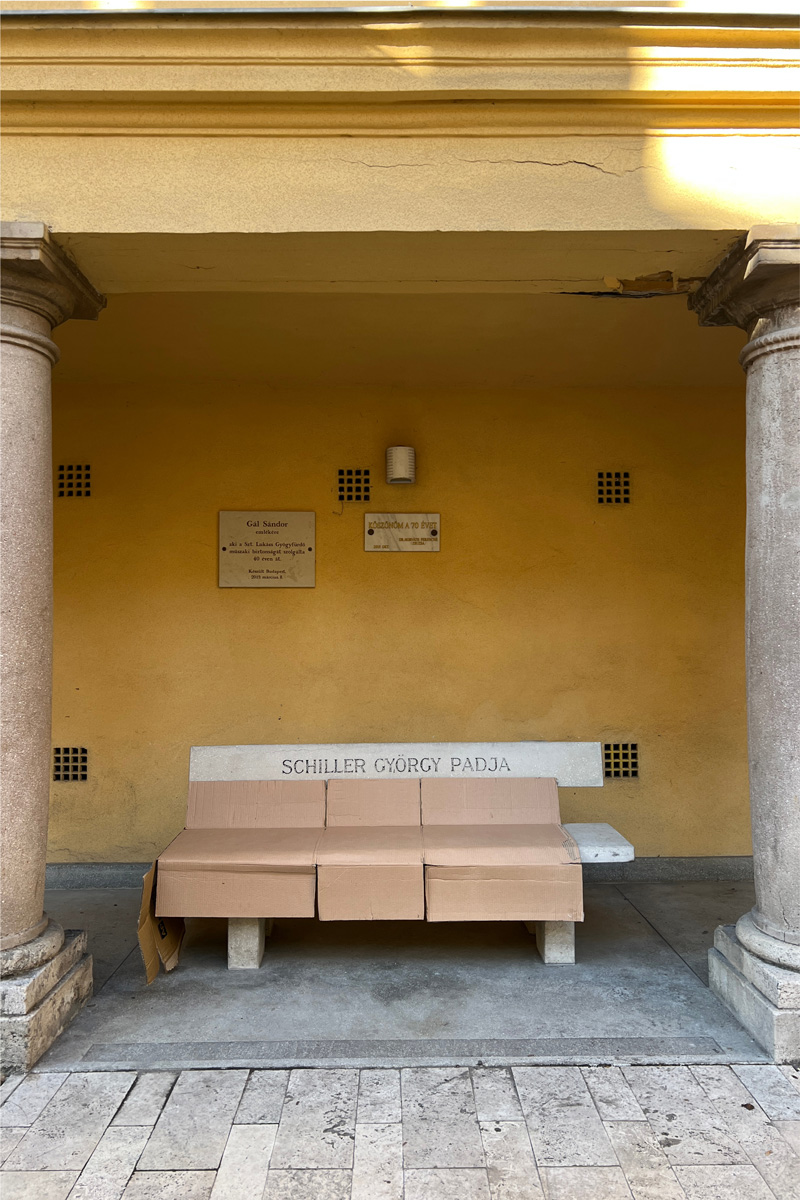
From the Archive of Encounters ©OFREIA
What is the essence of architecture for you?
It is perhaps the hardest question to answer, and the one I am most suspicious of when the answer comes too easily. For me, architecture is the spatial condition in which everyday life unfolds. It does not need to be the protagonist.
Its strength lies not in attracting attention, but in organizing presence, in shaping the ordinary with clarity and care, in offering possibilities that do not impose but reveal potential, and in acknowledging the past while carrying it forward into the identity of the future. I believe more in an architecture that people become attached to than in one that attracts them to it.
Architecture becomes meaningful when it enables rather than performs, when meaning prevails over image, and when it gives form to the ordinary with precision and care, structuring proximity and distance, visibility and retreat, presence and background.
In this sense, architecture is less an object to be admired than a situation to be inhabited.
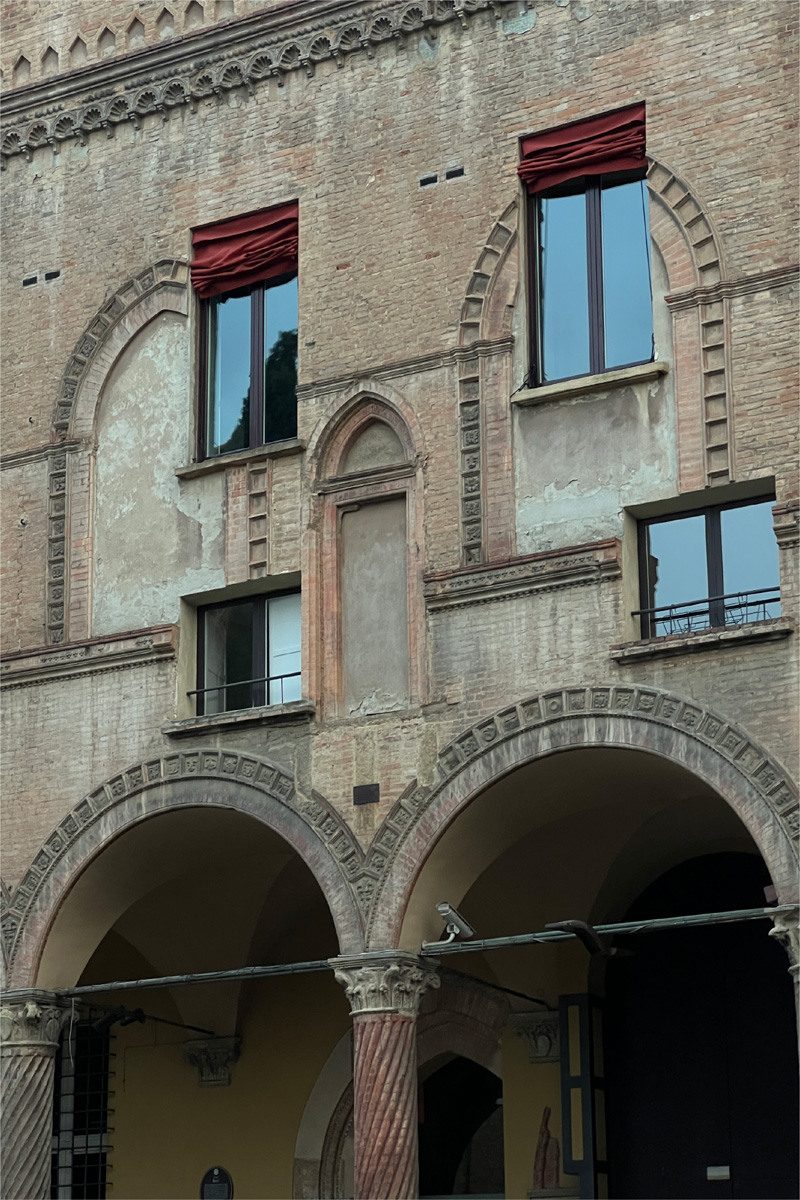
From the Archive of Encounters ©OFREIA
How does your working environment and your tools shape your architectural process?
The practice operates between different settings. In Zurich, the office is located at MILK, a ground-floor space in the heart of the city shared with other young practices. Ground-floor spaces carry a responsibility toward the city and its inhabitants. MILK therefore regularly transforms into a space for cultural exchange and gatherings, keeping us connected to public life and discourse.
In Ticino, work unfolds in closer proximity to the territory itself, allowing for sustained observation and retreat. And a considerable part of the work happens in between: on the train, moving across Switzerland. The practice is spatially distributed partly by choice, partly by structure: teaching at different universities across the country means that being in transit is simply a condition of the work.
Through all of these shifting environments, the tools remain consistent. Hand drawing is my primary tool by choice and in many ways the most honest one. It is a direct gesture of the body, immediate and imperfect. But it is also a shared language: every person has drawn at some point in their life, and most recall it as a childhood memory. That familiarity opens something. Talking while drawing. The misunderstandings that are intrinsic to hand drawing are not accidents to be corrected, but rather something productive, and I actively look for them. Drawing is therefore not nostalgia, and not only a stylistic preference. It is how thinking happens before ideas harden into form. In my case a process tool as much as a representation tool too.
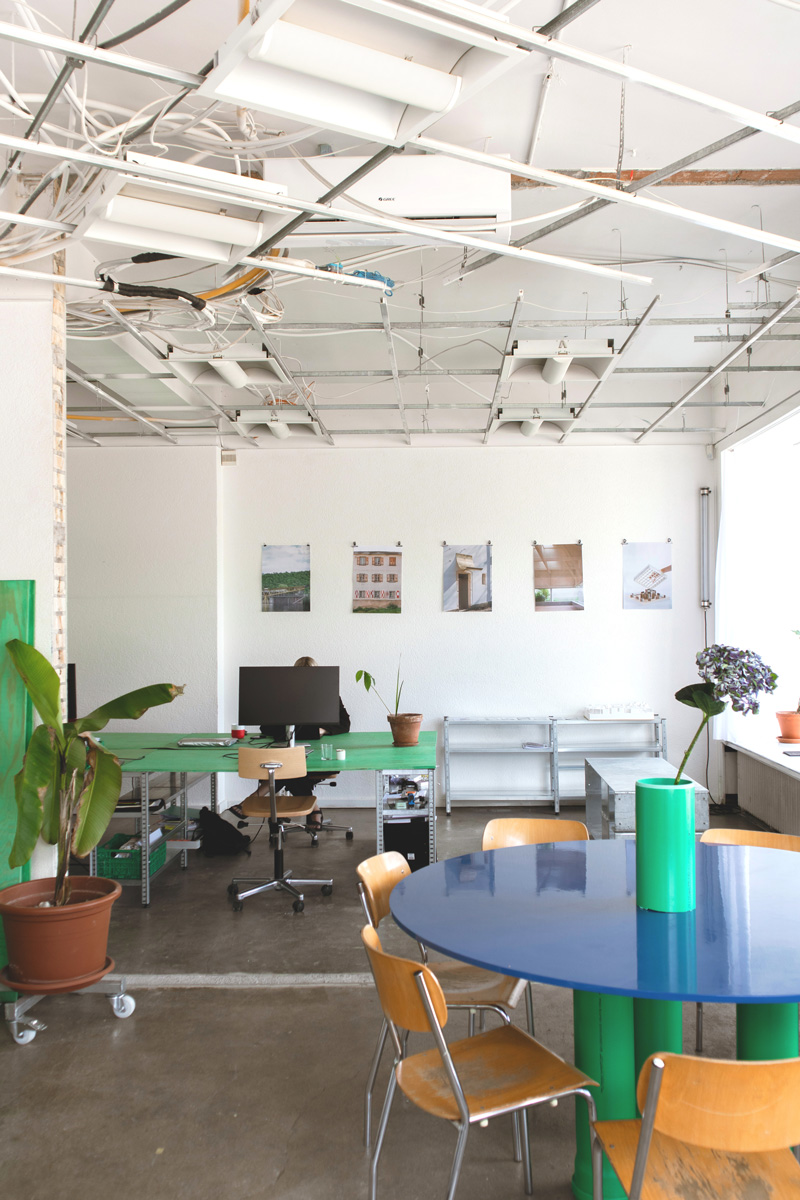
MILK, Zurich ©Alexie Gargaloni
Books or essays that shaped your thinking:
Denise Scott Brown's "Room at the Top? Sexism and the Star System in Architecture" remains sharply relevant. It exposes the structural hierarchies embedded in the profession and challenges the mythology of singular, often male, authorship. As a woman-led office, this reflection is not theoretical. It resonates directly to this day with the everyday realities of architectural practice.
George Perec's "L'infra-ordinaire" describes a way of looking at reality that I recognise as almost obsessive: a trained attention to what usually escapes notice and in a direct link to my ongoing “Revealing Encounters” archive. Once you start observing the world that way, giving your full attention to the architectural encounters that happen around you constantly, you begin to see yourself surrounded by them. You can't unsee it. That is what Perec does, and it is very close to the attitude we try to bring to every place we work in.
Lucius Burckhardt's "The Minimal Intervention" is a tough one, in the best sense. It is a book I find myself often returning to with students and collaborators, because the question it raises never gets easier: what is too much, and what is too little for a place? Burckhardt argues for attentiveness to consequence, for recognising that even the smallest intervention fundamentally alters meaning. That negotiation is a daily one in the practice, and it never fully resolves.
How can architecture contribute to a truly sustainable future?
The word sustainable has become so overused in architecture that it has almost lost meaning. A green facade, and something is declared sustainable. I think we need to be more honest about what a sustainable future actually requires.
For me, the most sustainable architecture is simply the one that lasts. And architecture lasts not because of its technical performance alone, but because people become attached to it, because it resonates, because people can identify with it, reflect themselves in it, and eventually absorb it into the collective memory of a place. That attachment generates something no energy rating can: a genuine will to maintain, to care for, to keep. And in the long run, that is what produces longevity.
Perhaps the most sustainable buildings in existence are the ones from antiquity that are still standing today. Not only because of their construction or their form, but because they have been rethought, reinterpreted and reclaimed by every civilization that lived alongside them. They never lost their affection or their relevance. They are still amongst us because each generation found a reason to keep them. That continuity is the deepest form of sustainability there is.
Operational energy, carbon reduction and material innovation certainly remain essential. But they mean little if buildings are conceived within short life cycles, and if demolition continues to be treated as a neutral restart rather than a loss of embedded energy, and more importantly, of cultural continuity, collective memory and simply of knowledge. The structural conditions that enable long-term thinking, in procurement, in economics, in institutional and academic frameworks, matter as much as the architecture itself.
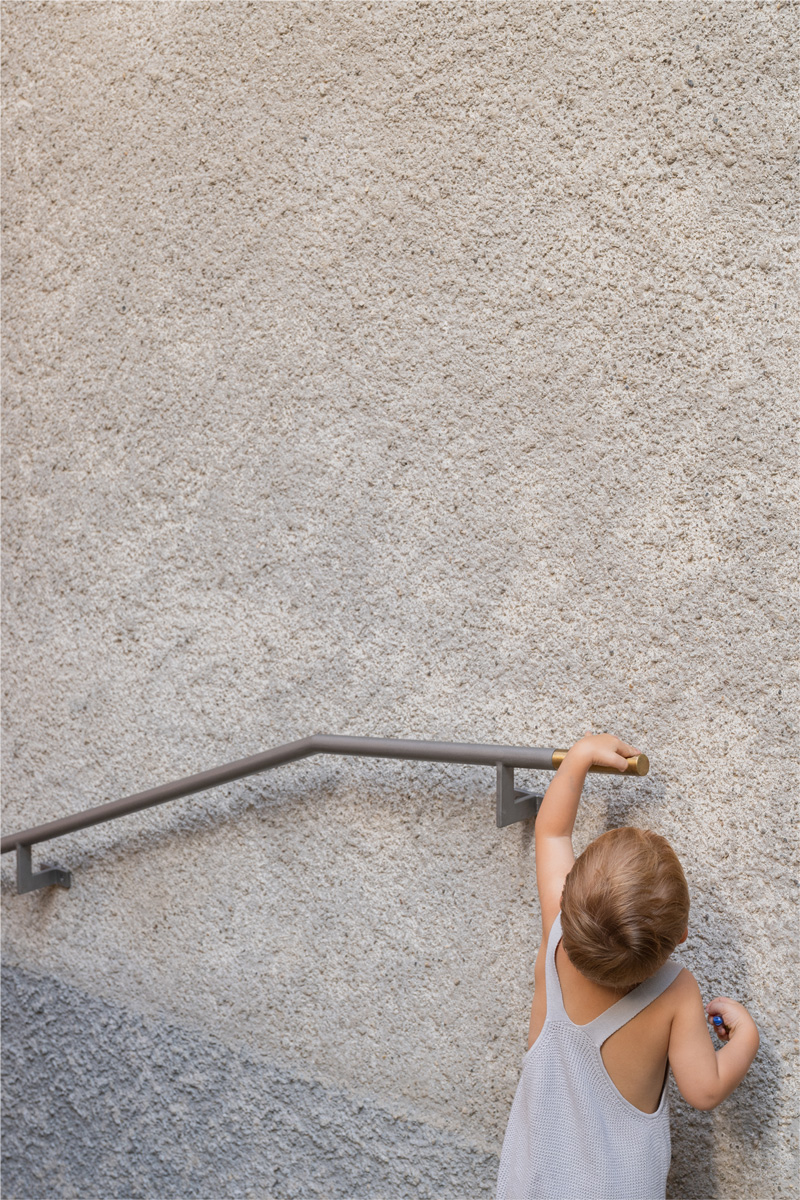
Monte, StudioSer, 2022 ©Federico Farinatti
What needs to change in architectural culture today, and how do you imagine its future?
Architecture today still tends to measure success through visibility rather than longevity, and through formal innovation rather than social or ecological consequence. In a decade where social media has accelerated image consumption and AI has made it possible to generate compelling visuals without spatial thought, the image has increasingly become the reason to shape a project rather than its consequence. I am not against the image – a well-made final photograph matters. But it is not the guiding vehicle, and never the reason behind a decision. For each step of a project there is an appropriate level of abstraction. When the final image starts driving the early decisions, architecture loses so many interesting and relevant layers along the way.
The discipline also needs to reconsider the model of the architect it continues to reproduce. If you pursue a career bridging practice and academia, a high degree of dedication to both is required, as they are fundamental pillars to each other; often with research commitments on top.
And then there are partnerships and the question of family, which is not an indifferent detail. From where I stand now, somewhere in my mid-thirties, everything converges at once: practice, teaching, research, family. I have learned that this compression is not a personal failure to manage time. It is a structural condition, and it still falls disproportionately on women. And I have taken from it that doing less, but with more quality and intention, is the right way to navigate this situation for me.
Many institutions express a genuine wish for more women in positions of responsibility. But without larger teams, the possibility to delegate parts of the fieldwork, and shared infrastructure, the burden simply reverses itself onto the women who accepted those roles. The structural conditions remain unchanged, and as Denise Scott Brown already laid out so clearly decades ago, navigating them still requires women to think and operate, and eventually become like men.
What essential skill would you recommend a young architecture student to cultivate?
Curiosity. – Not curiosity in the sense of restless novelty, but a sustained and disciplined curiosity for the discipline itself. Curiosity toward a context, toward what is already there. Curiosity toward the people who live, or will inhabit, the spaces you propose. Curiosity for the traces that have been left behind, and for the latent possibilities that are not immediately visible.
For me, curiosity is the motor behind almost everything. It is what makes you want to engage, to understand, to listen, to observe, to go deeper. But also, quite simply, to keep learning new skills. It is what keeps you at pace with time without being swept away by it.
This kind of curiosity allows you to move beyond the impulse to impose form. It opens the possibility of transforming rather than replacing, of continuing rather than erasing, of subverting gently rather than dominating. It encourages looking at the past not as something obsolete or nostalgic, but as a resource.
Curiosity also means resisting premature certainty, not becoming satisfied too early in the process, and staying open long enough for a project to reveal its potential.
In a time when speed and image often dominate, cultivating curiosity may be one of the most radical and necessary competencies we have. It is also, ultimately, what leads you outside the boundaries of the conventional discipline, finding a way to make it your own.
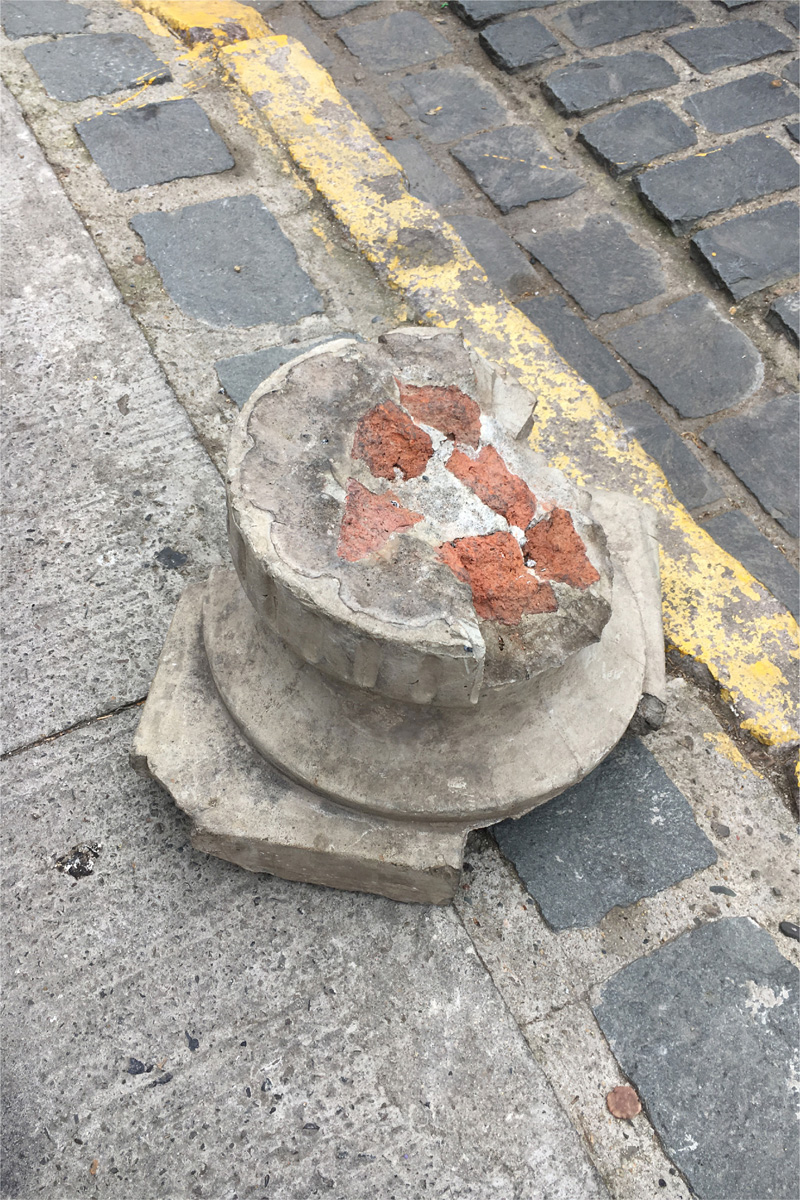
From the Archive of Encounters ©OFREIA
Project 1
Federleicht
Schaffhausen
2025
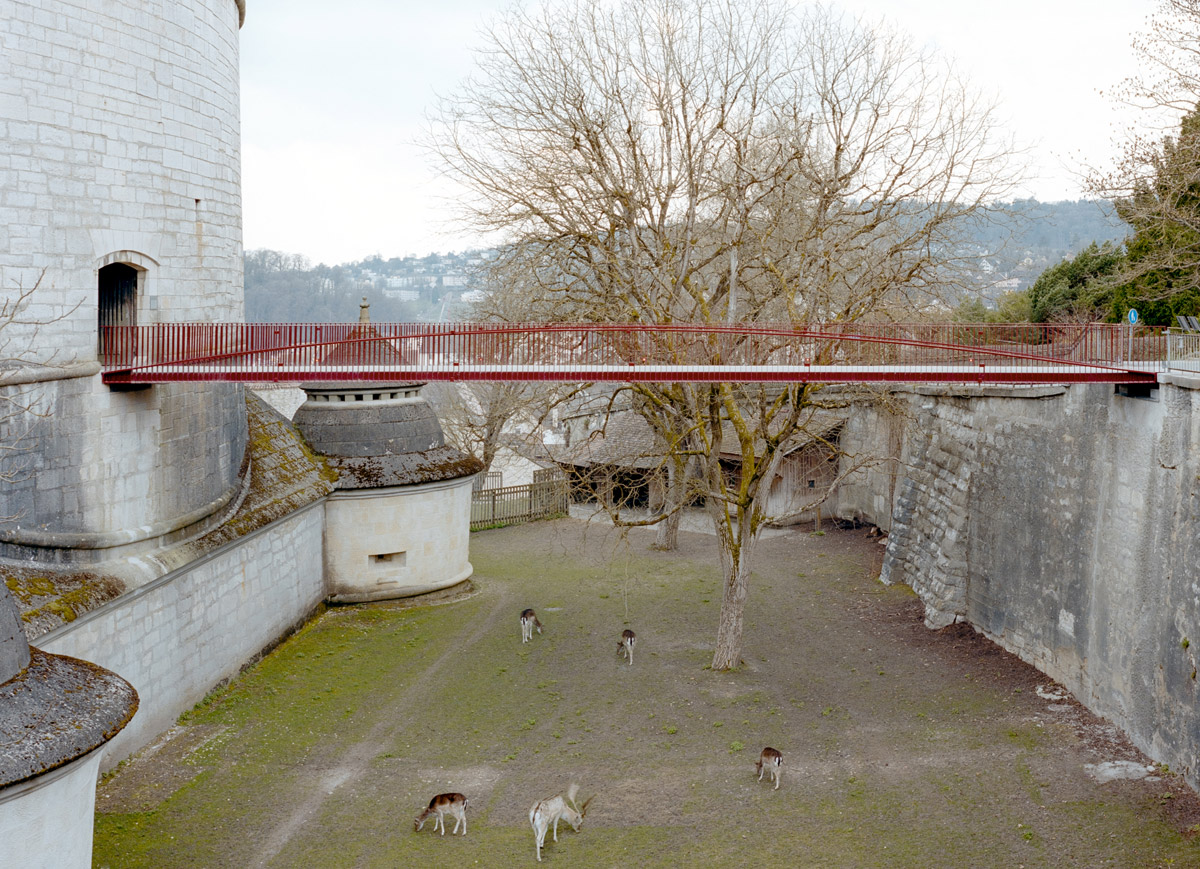
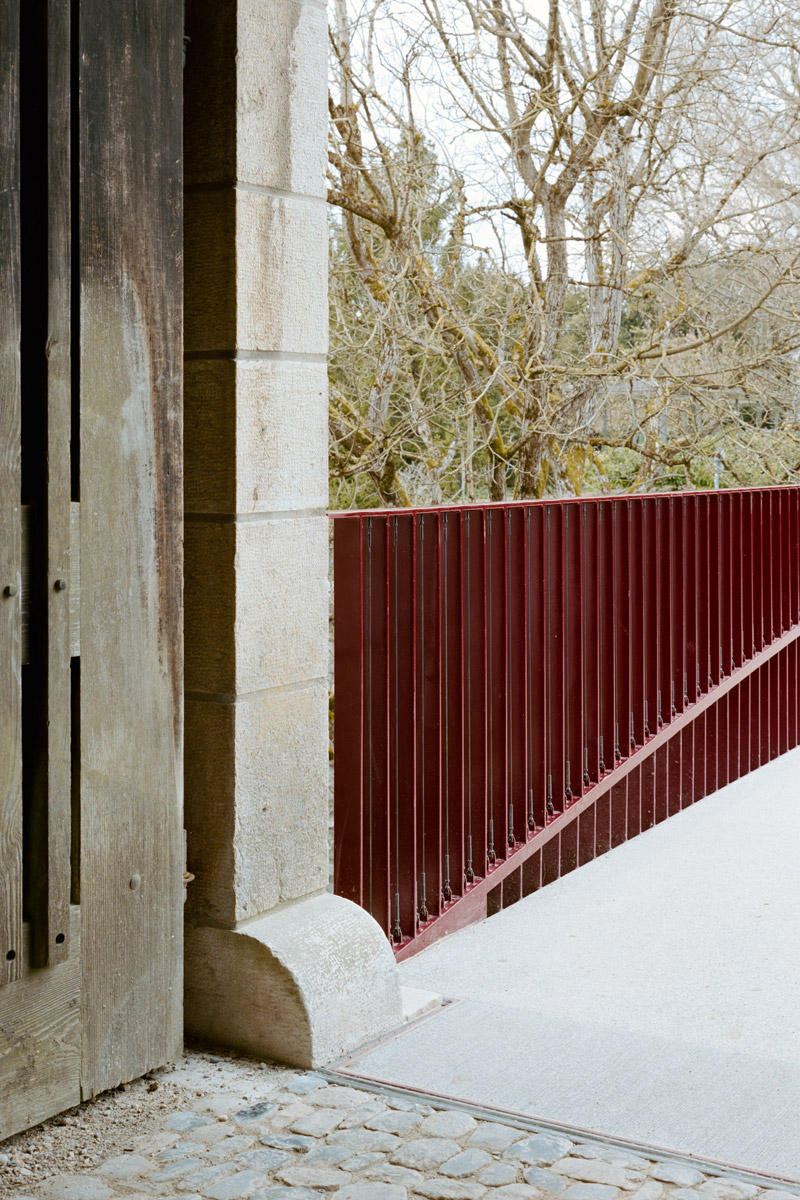
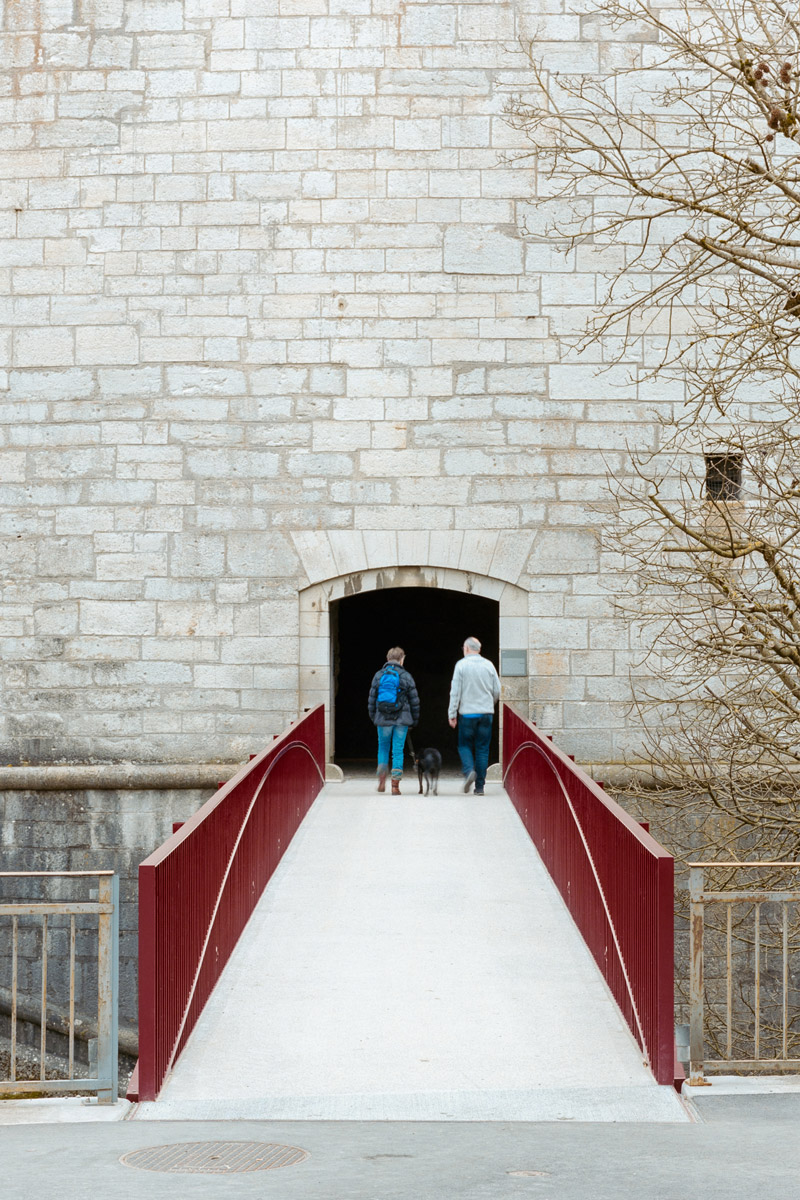
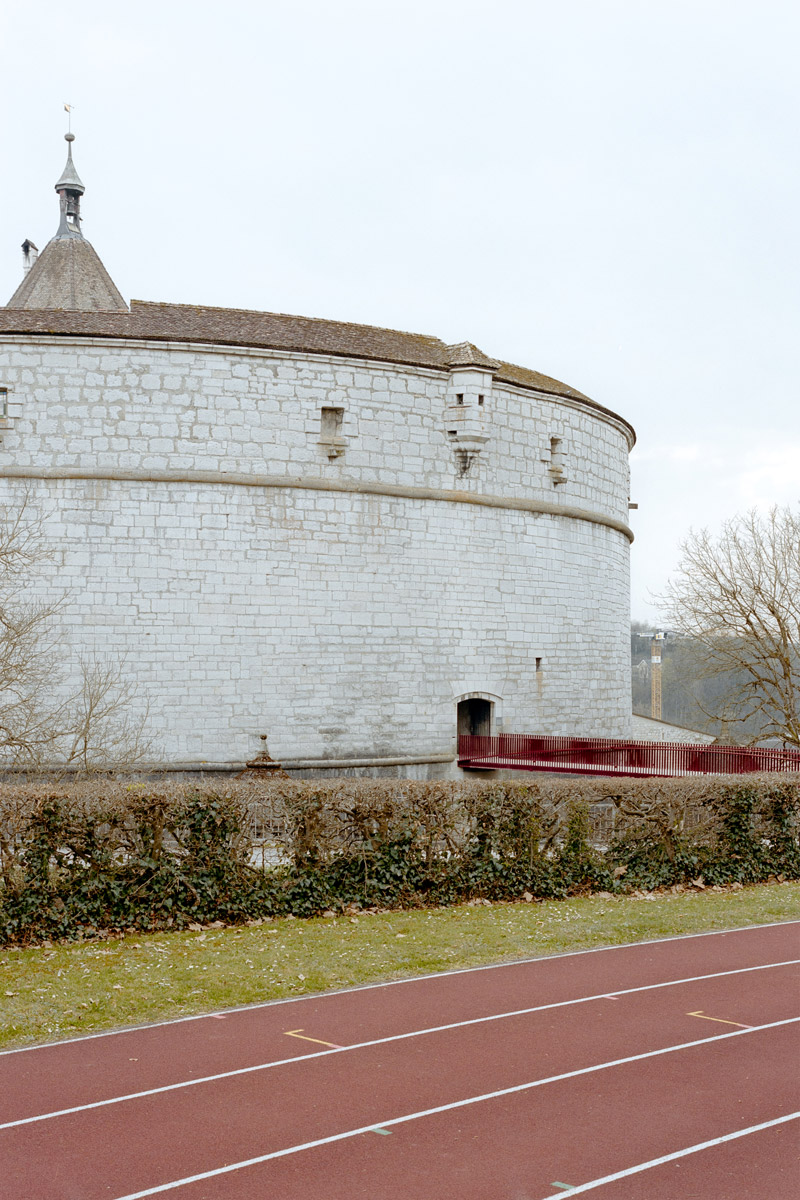
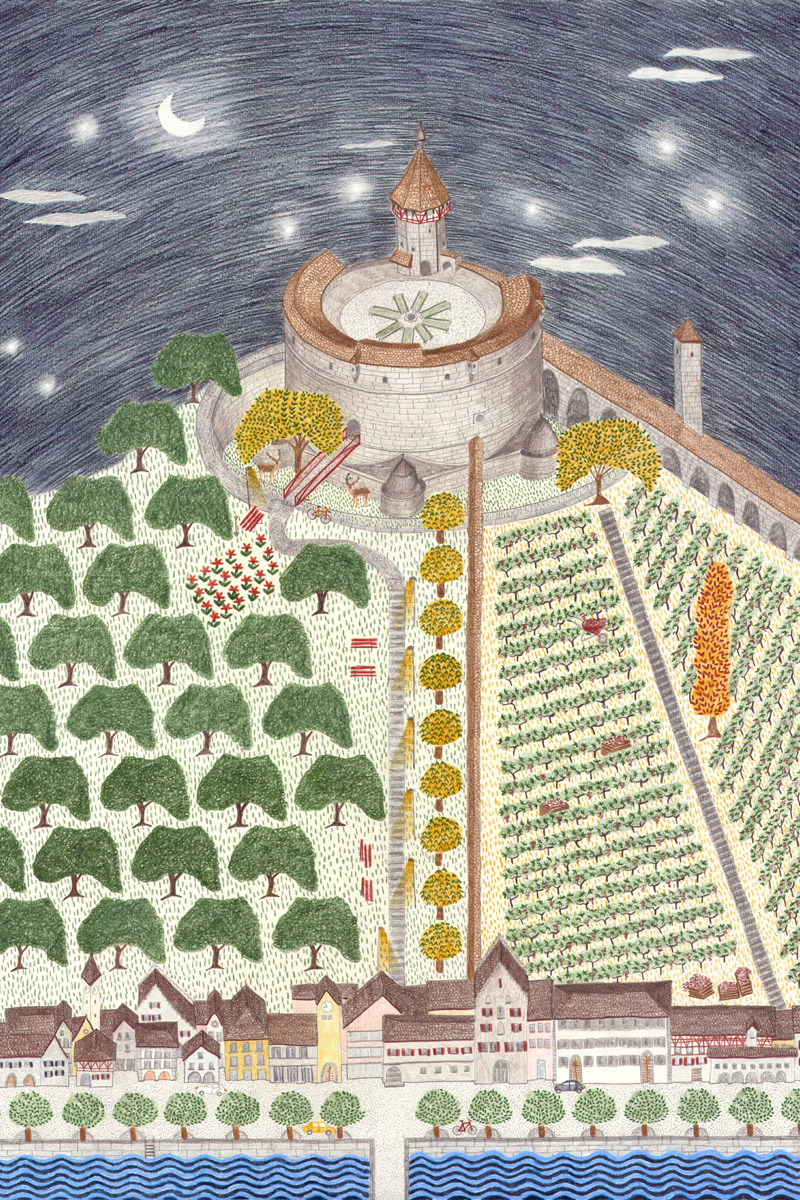
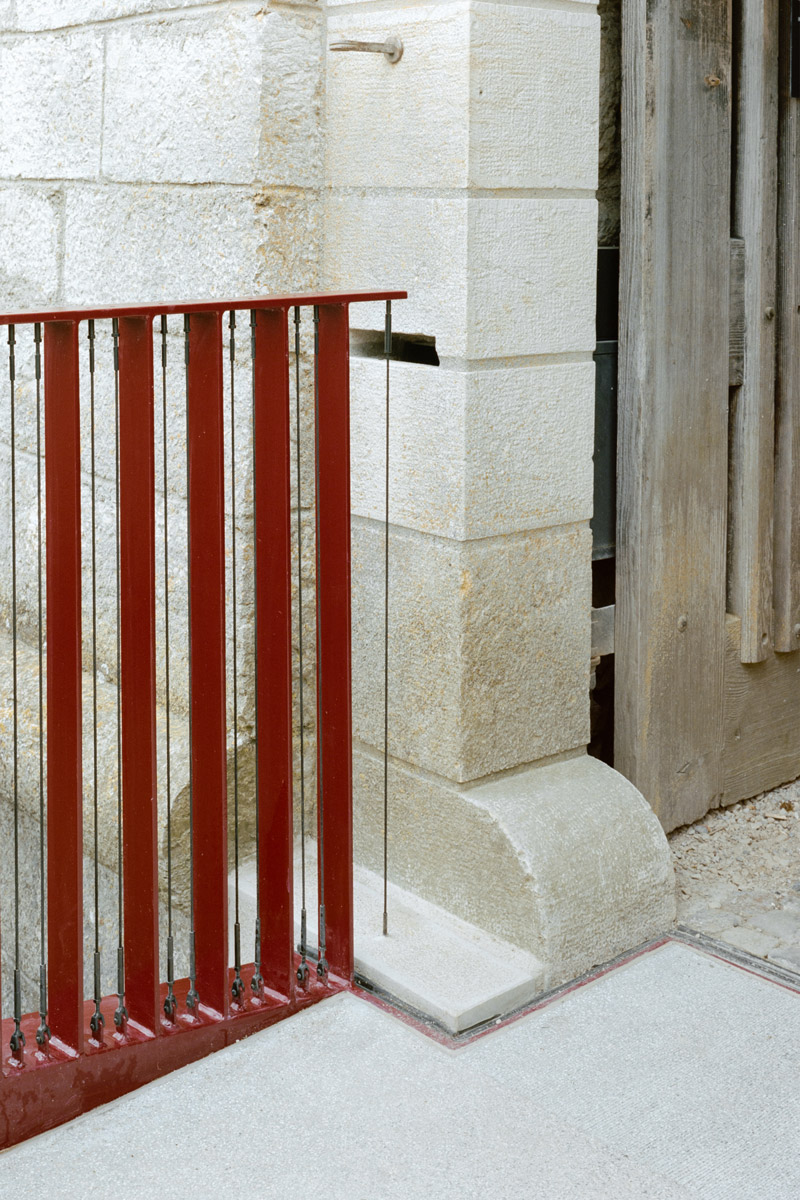
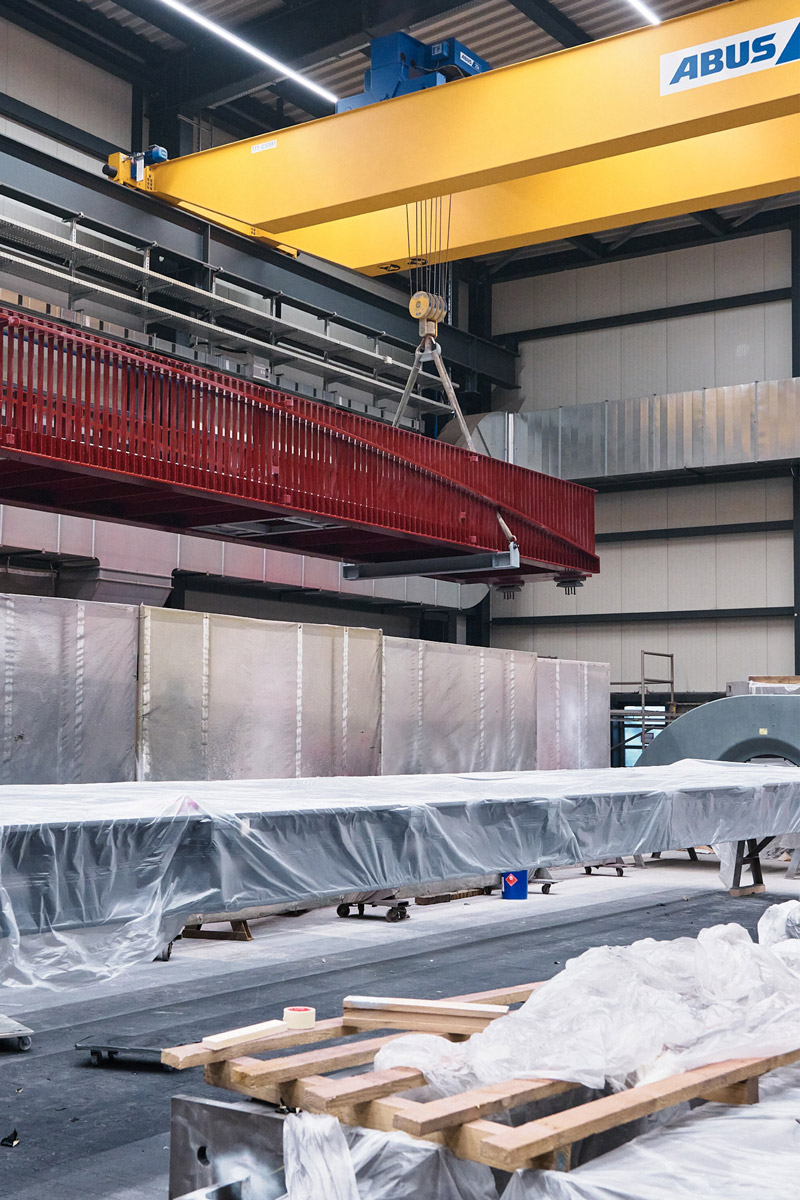
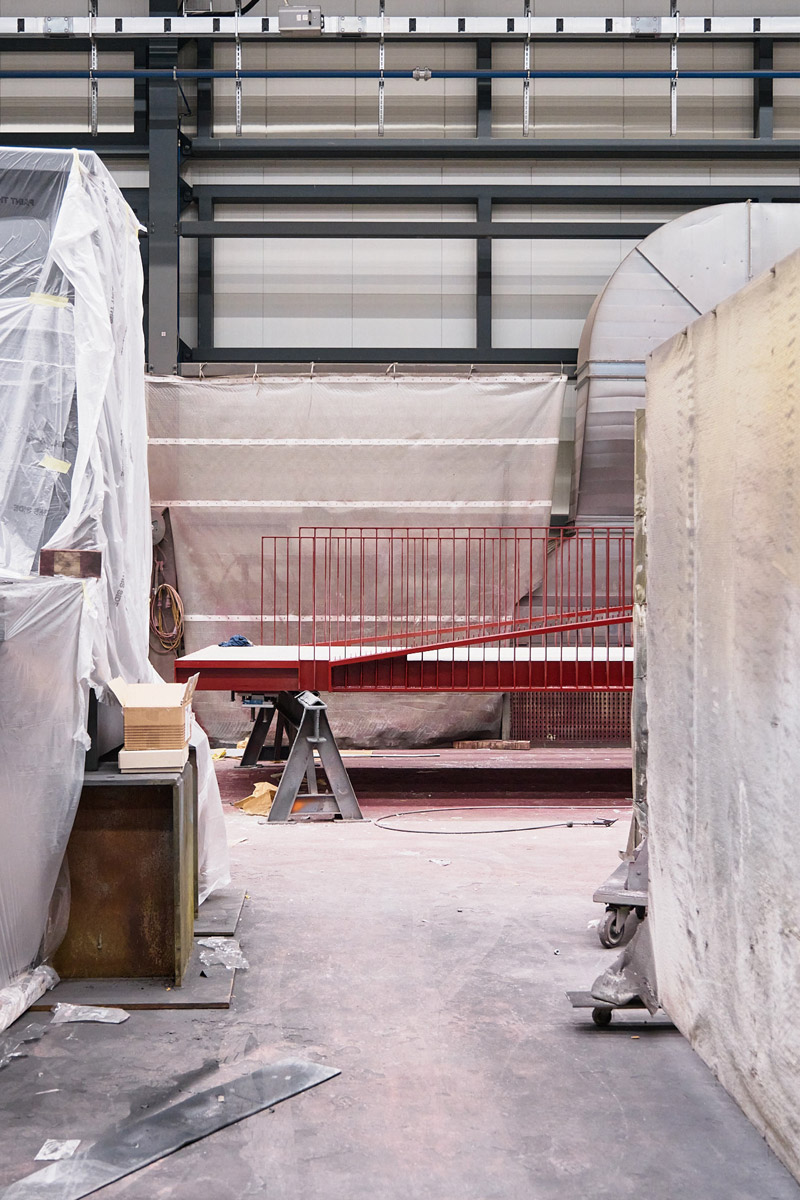
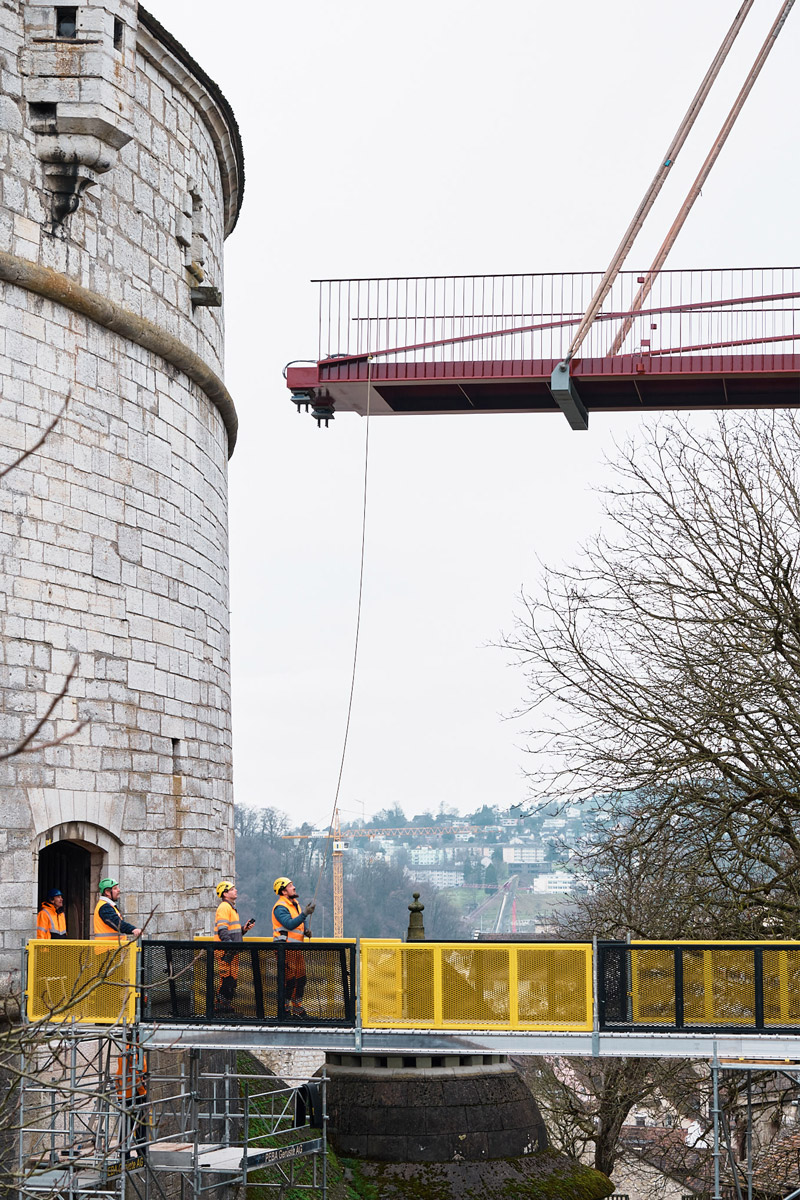
The new pedestrian bridge over the Hirschengraben, leading to the Munot Fortress in Schaffhausen, is conceived as a lightweight structure that integrates respectfully and discreetly into its historically significant context. By deliberately receding into the background, the bridge reinforces the established identity of the Munot rather than competing with it. Its permeable and delicate construction ensures a visually restrained presence while minimizing material use.
The lightness of the new access contrasts intentionally with the fortress’s robust and massive construction, thereby accentuating its monumental character. The proposed materials and colours subtly reference those of the existing structure. In this way, the bridge echoes elements of the fortress’s architectural language and establishes a quiet sense of continuity and belonging.
Specifications: 2023 – 2025, 1st prize open competition
Author: Architectural project conceived as StudioSer (Rina Rolli, Tiziano Schürch)
Collaboration: In collaboration with Co-Struct and Lightsphere
Photography: Construction photography by Boris Habenthuer, final photography by Federico Farinatti
Federleicht
Process
Project 2
Territorial Acupuncture
EPFL Lausanne
2025
How could architecture have an impact without being imposing?
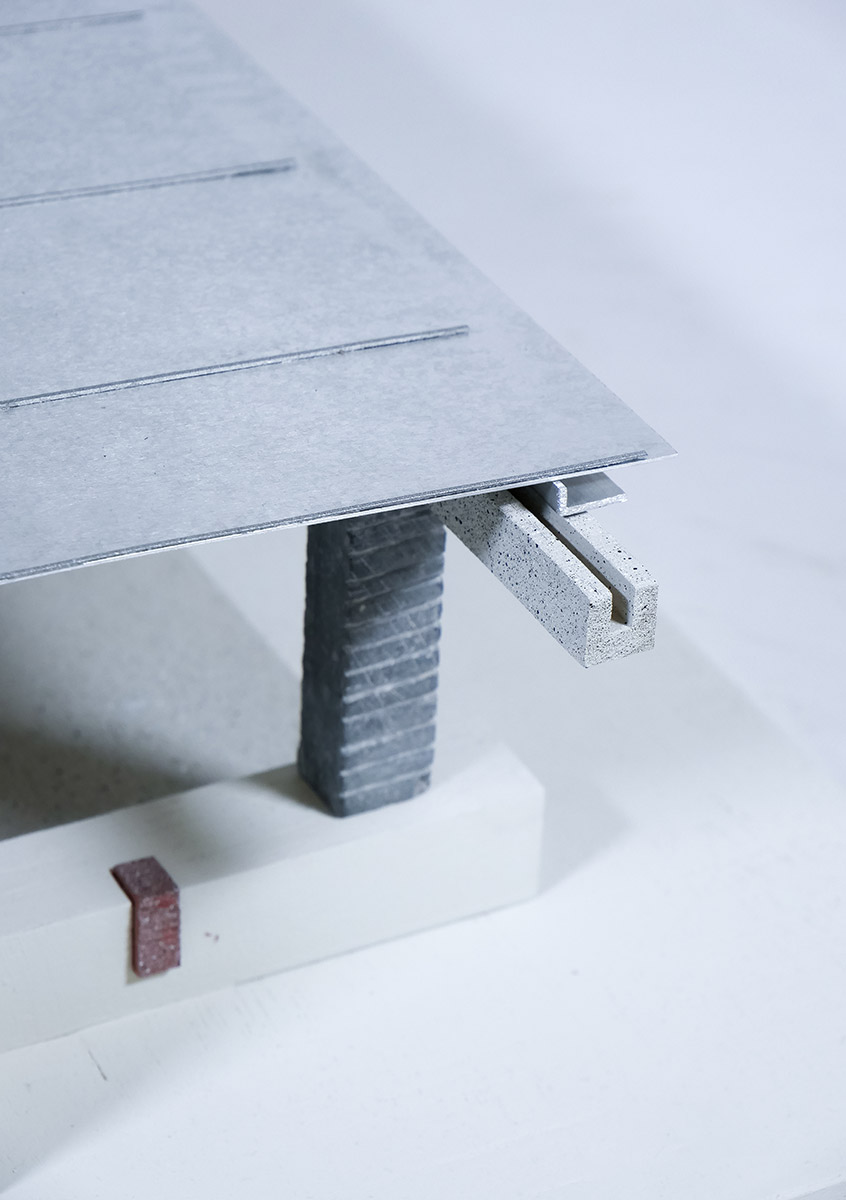
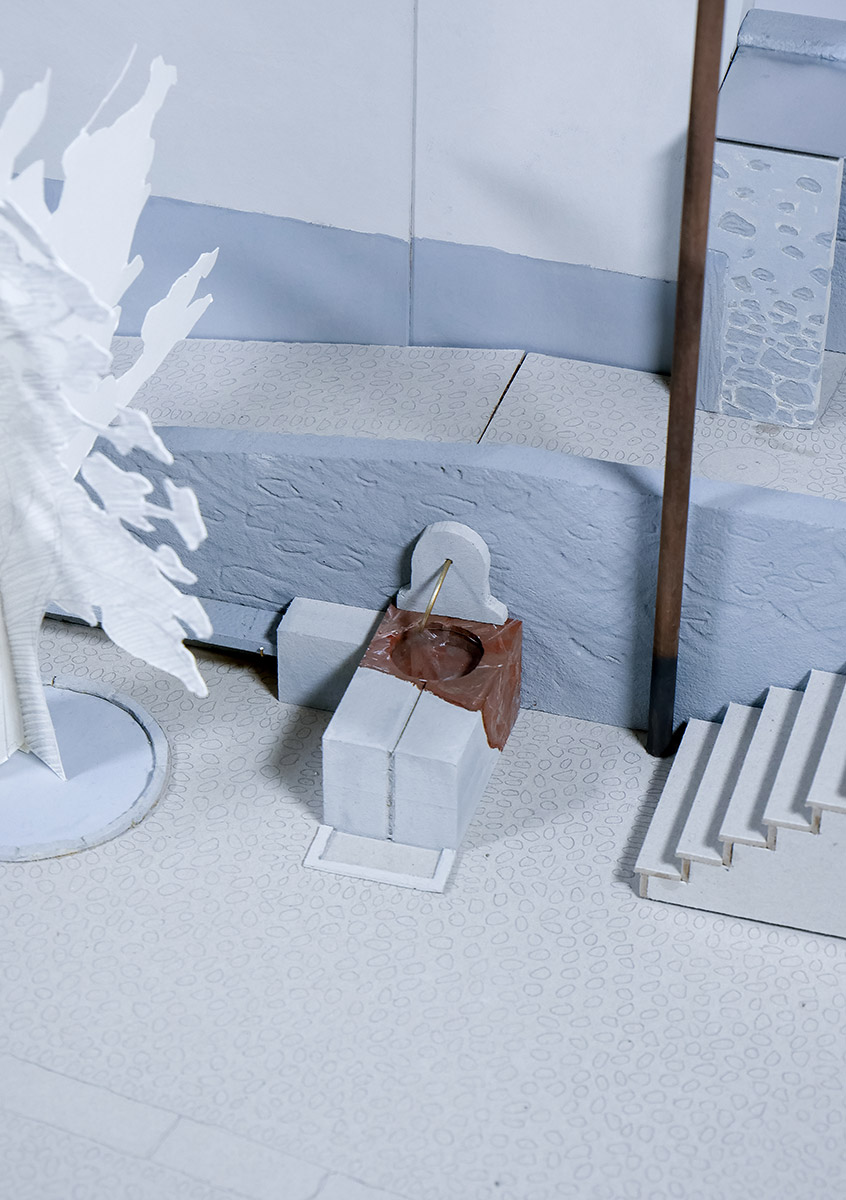
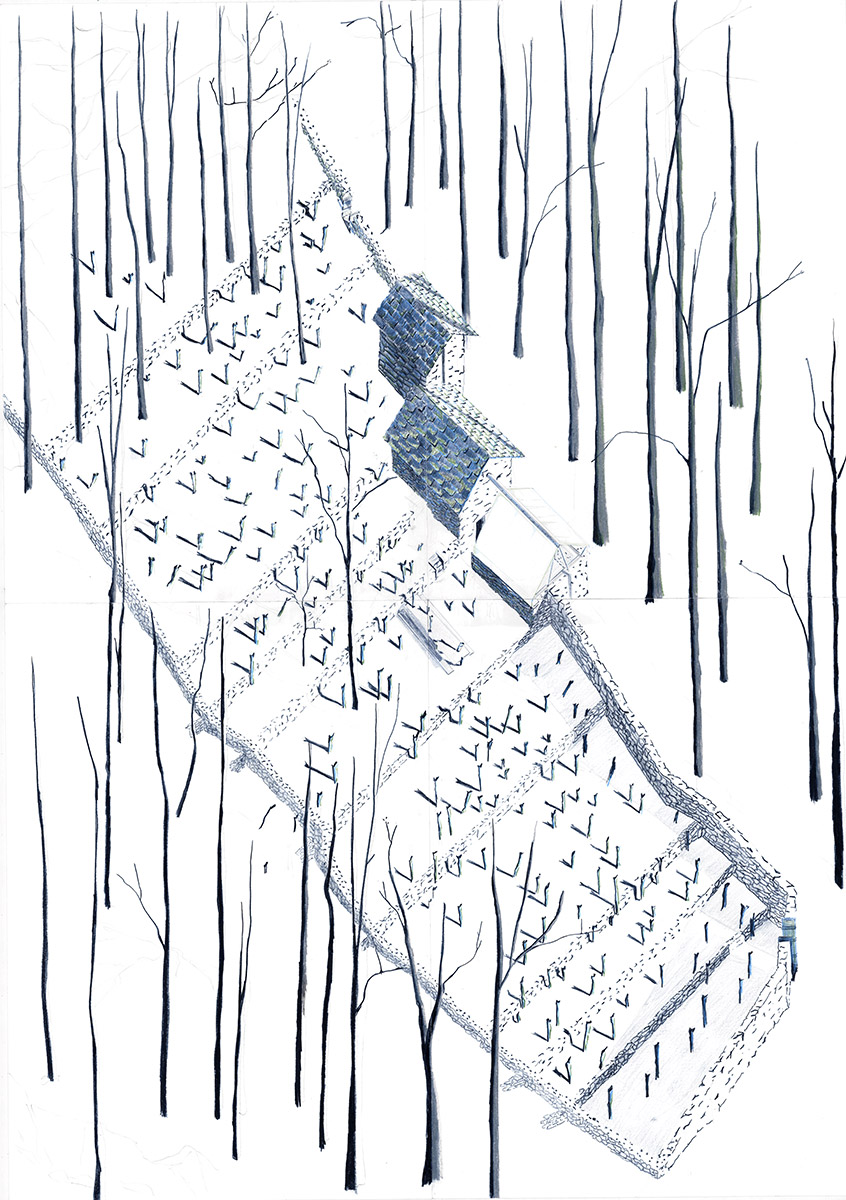
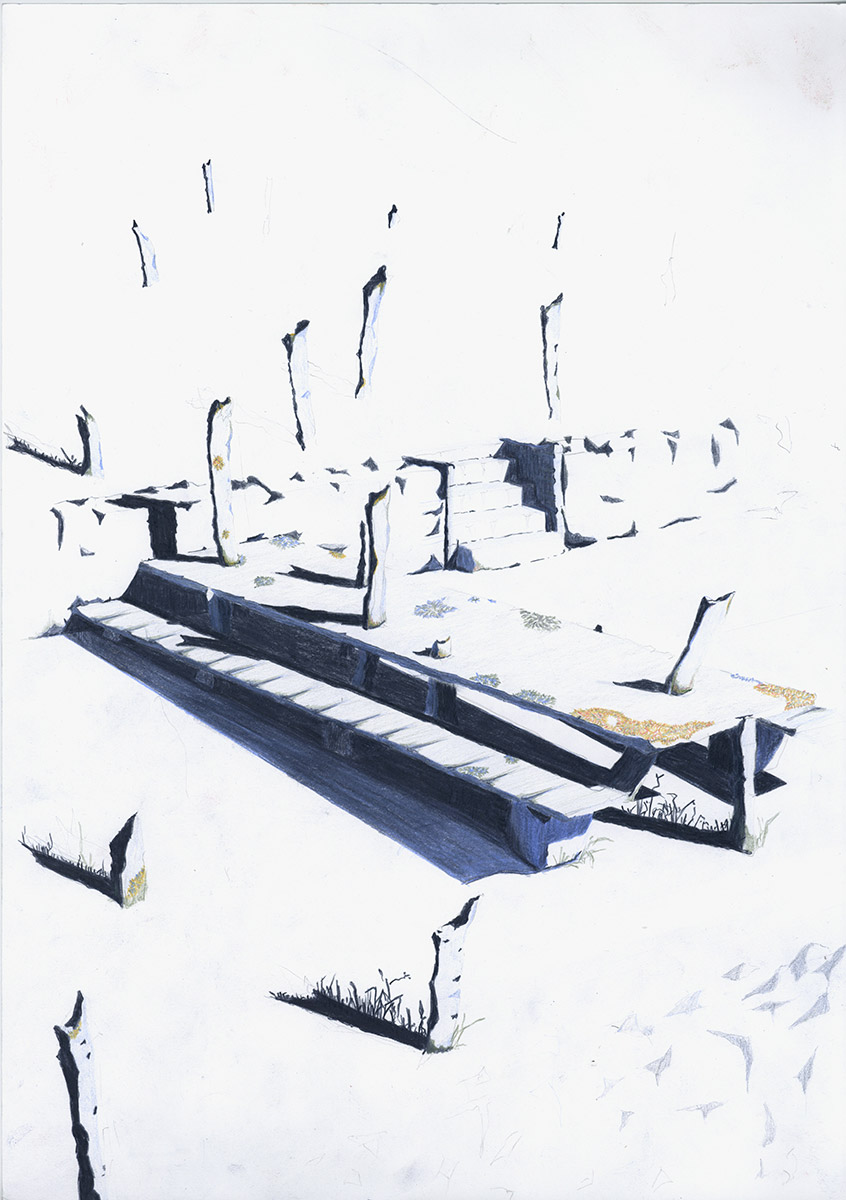
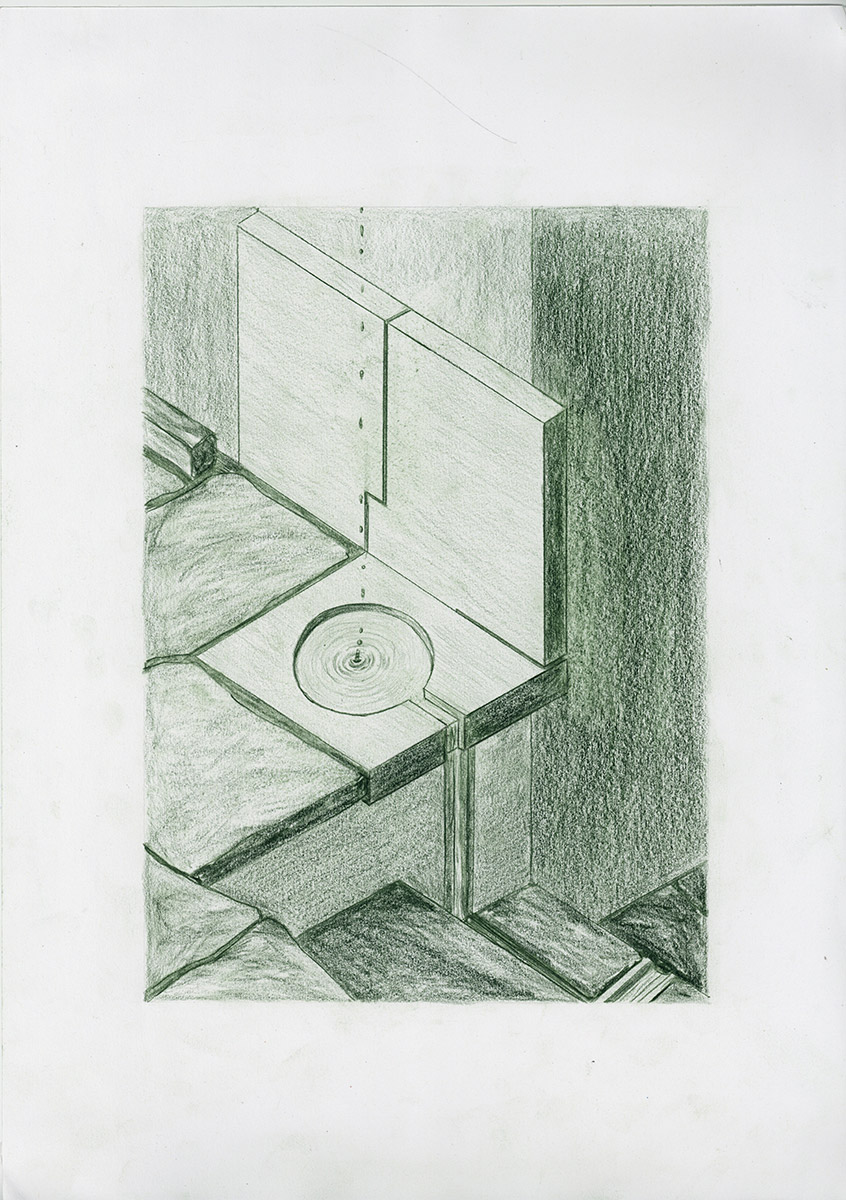
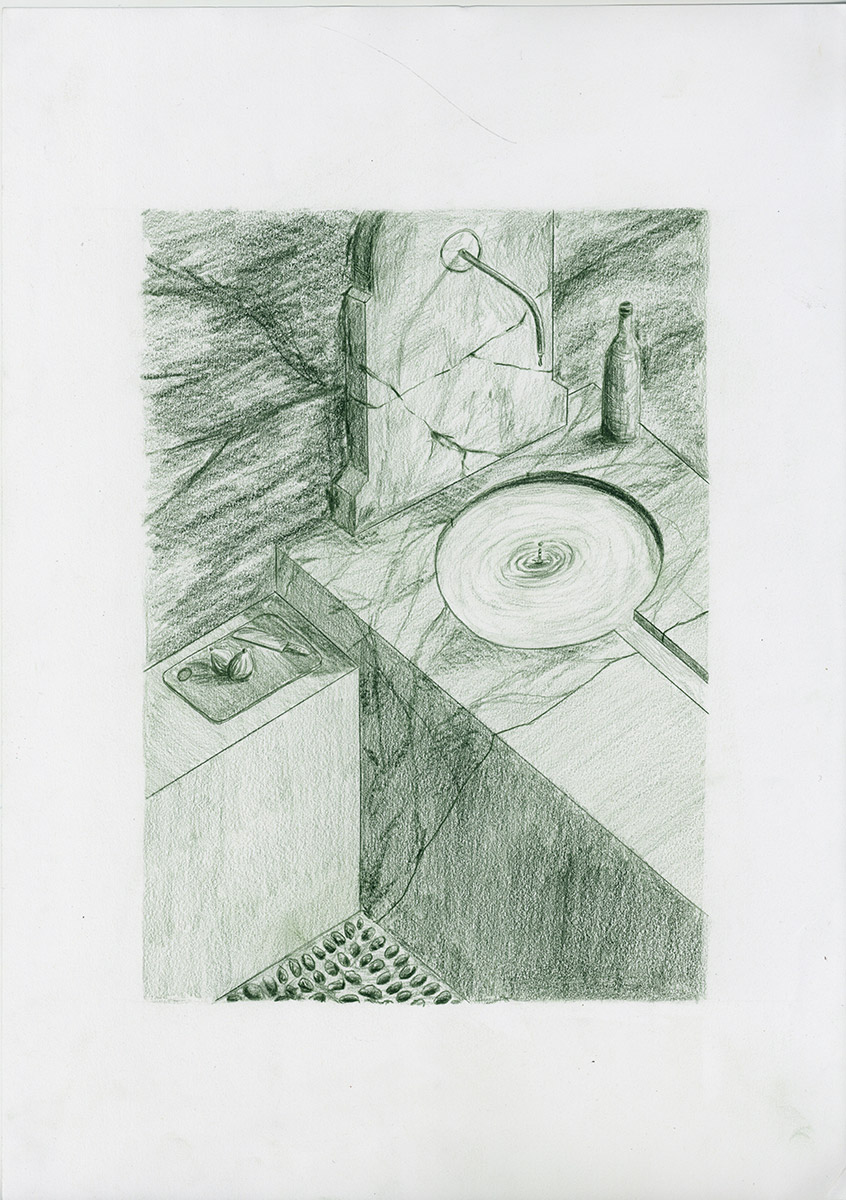
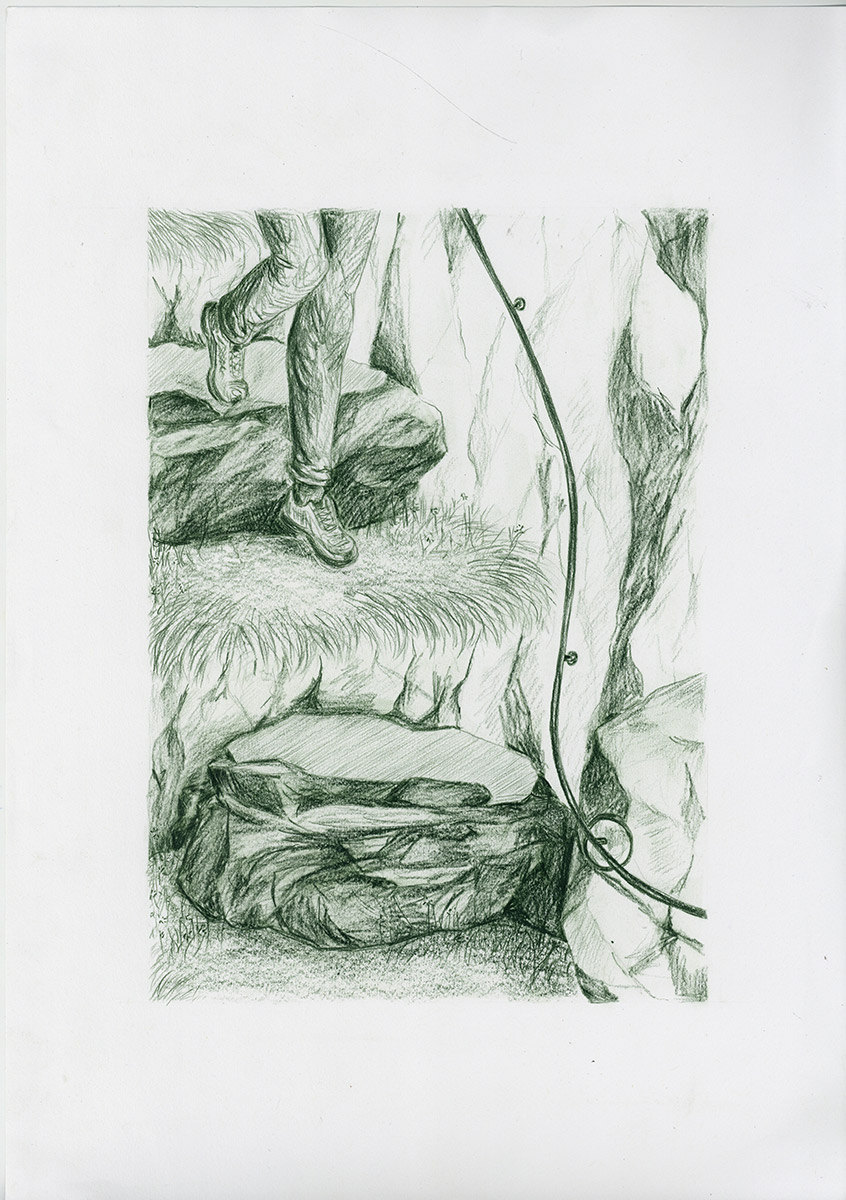
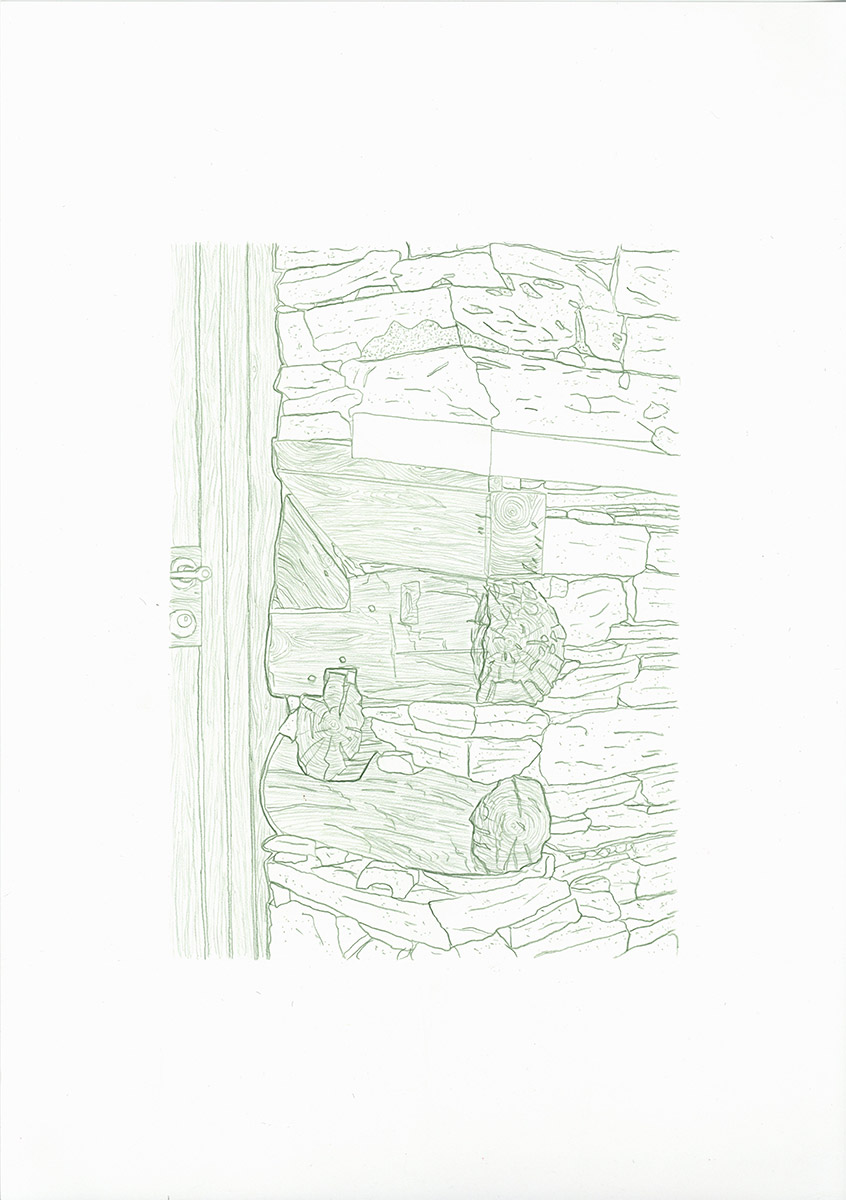
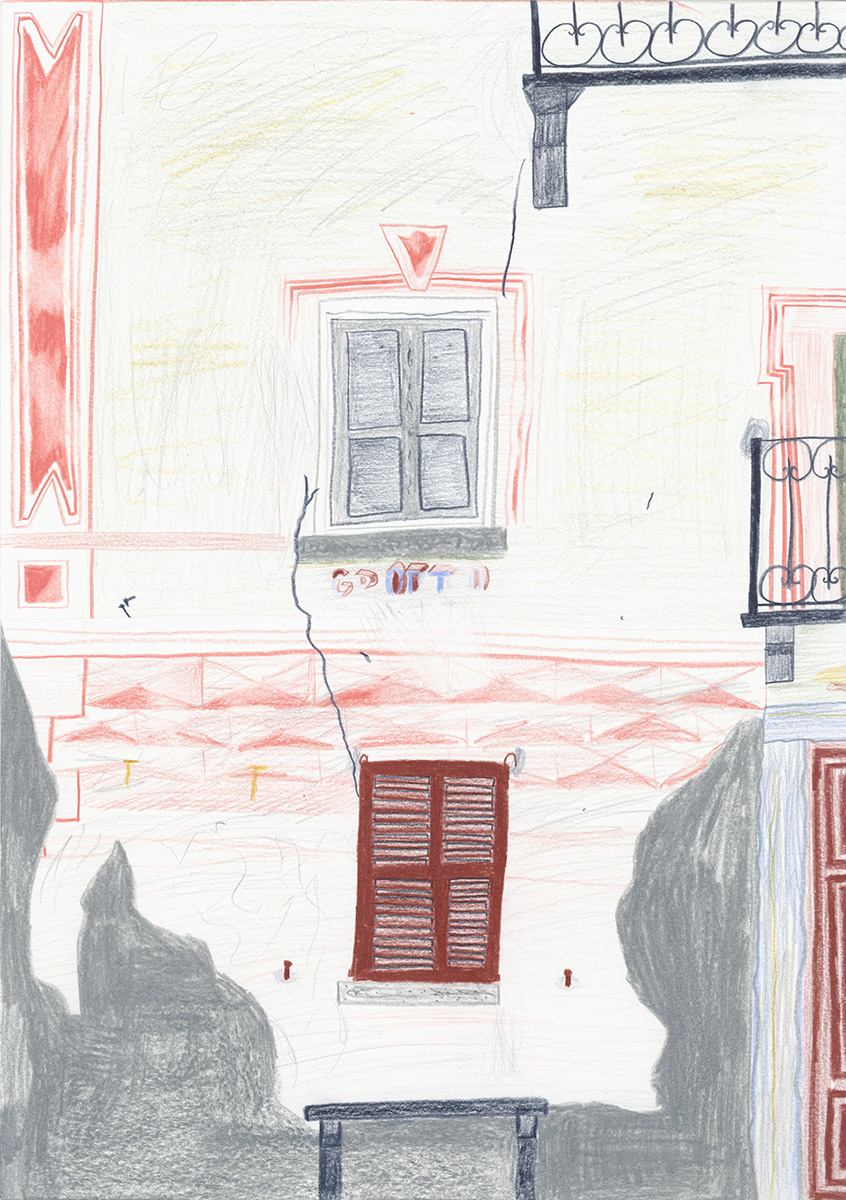
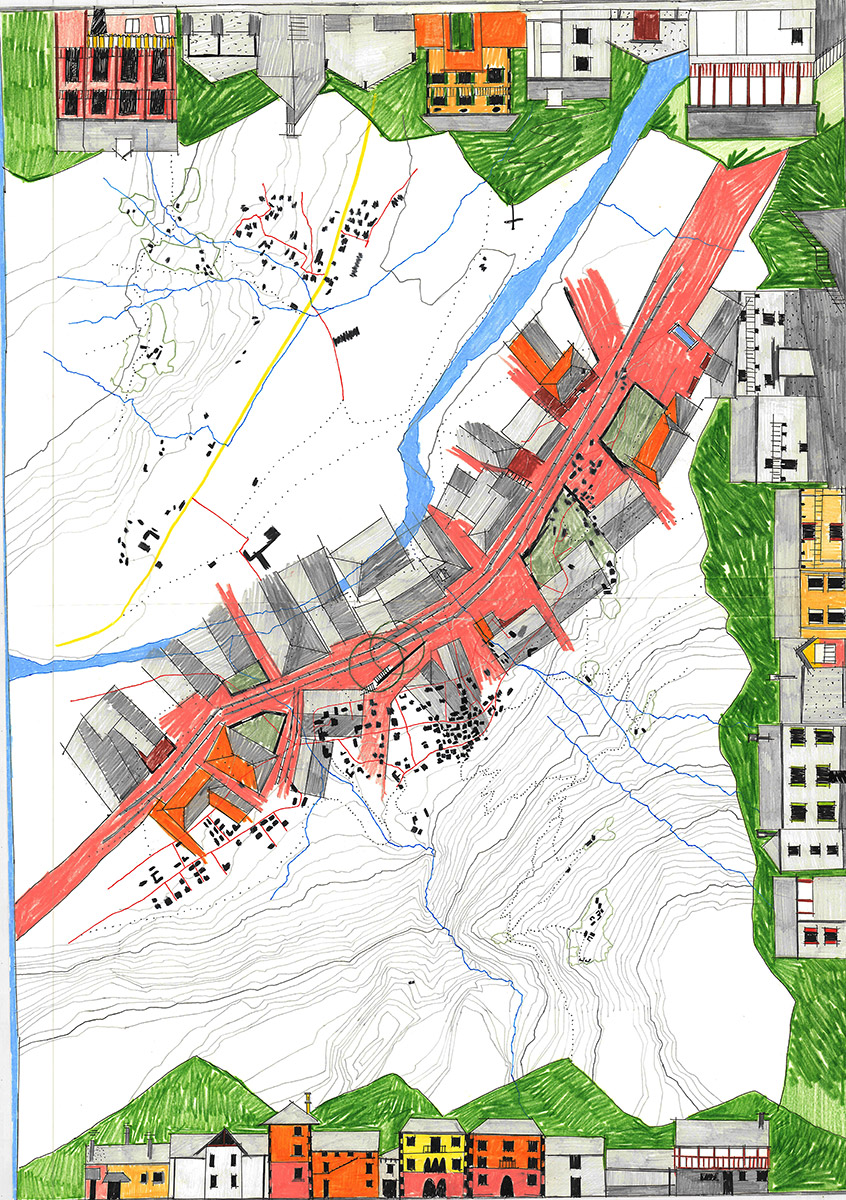
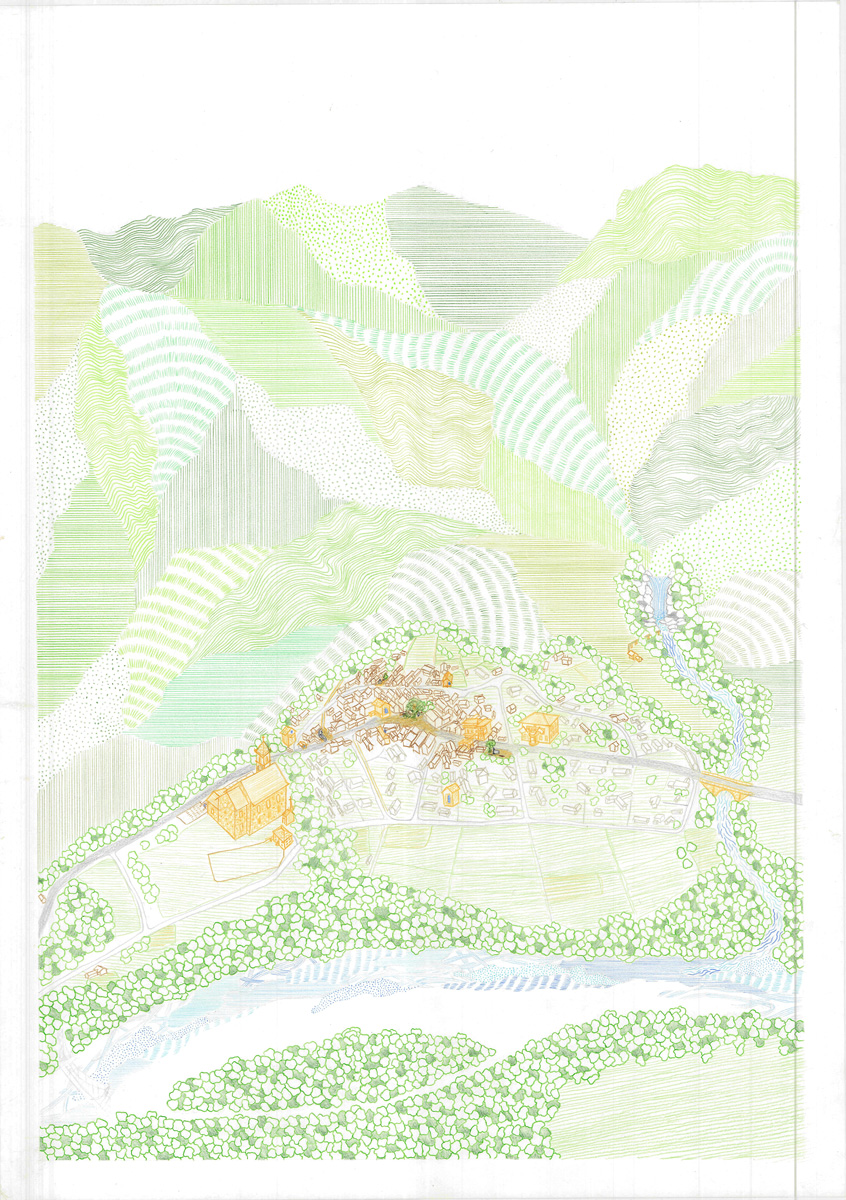
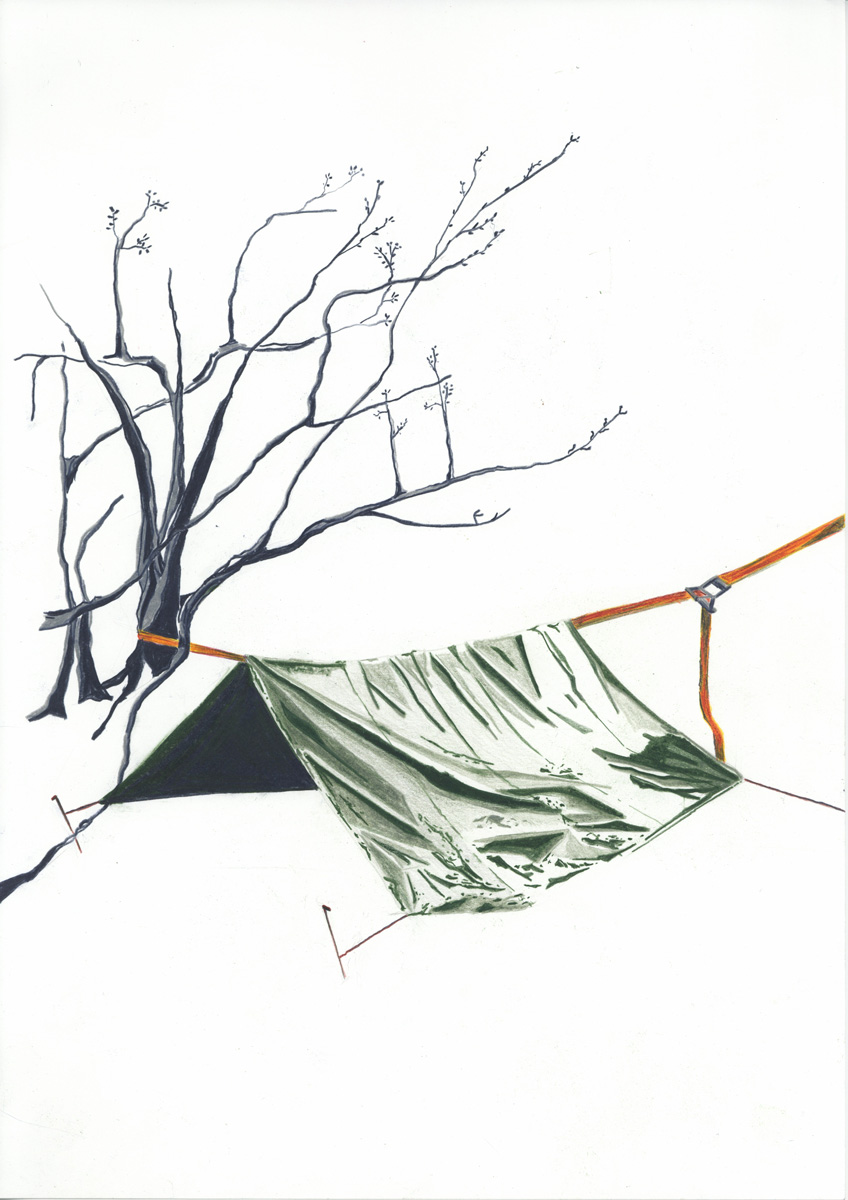
This experimental semester at EPFL explored how precise observation and careful engagement with a specific place can lead to architectural gestures reduced to the essentials. The focus lay on minimal interventions – conserving resources while remaining spatially and socially effective. Each proposal responded to the site’s existing traces, potentials and the needs of its inhabitants.
This required attentive listening and an understanding of context as a built reality in its spatial, social and cultural dimensions. At the core stood an attitude of care: only through sustained engagement could interventions emerge that achieved social acceptance and endured over time.
Sustainability was therefore understood not only in ecological or material terms, but also through the social and cultural rootedness of each intervention. We examined how small, precise actions – territorial acupuncture – can generate meaningful impact.
The semester centred on the village of Aurigeno in the Valle Maggia, a community facing demographic change and an aging population. Public space, as an extension of the domestic sphere, became a key focus. By engaging with residents, history and the built fabric, and by analysing both territorial scale and small details, we identified overlooked potentials for encounter and reinterpreted them as shared spaces fostering social exchange.
Specifications: Guest Professor at EPFL Lausanne, Semester Autumn 2025
Authors: Student works by Diane Gasser, Éloïse Fortin, Eléonore Robin, Emile Cornebois, Helori Saout, Ivan Serrano Herrero, Kari Chen, Louis Baldyr-Moulinier, Louis Fillistorf, Luisa Heining, Luisa Luther, Marwan Abansir, Mohamad Ali El Mawla, Nathan Wanner, Nora Guigues, Ostap Pshyk, Paul Delort Laval, Thomas Brütsch, Victor Stasik, Zoé Aymon.
Student Work
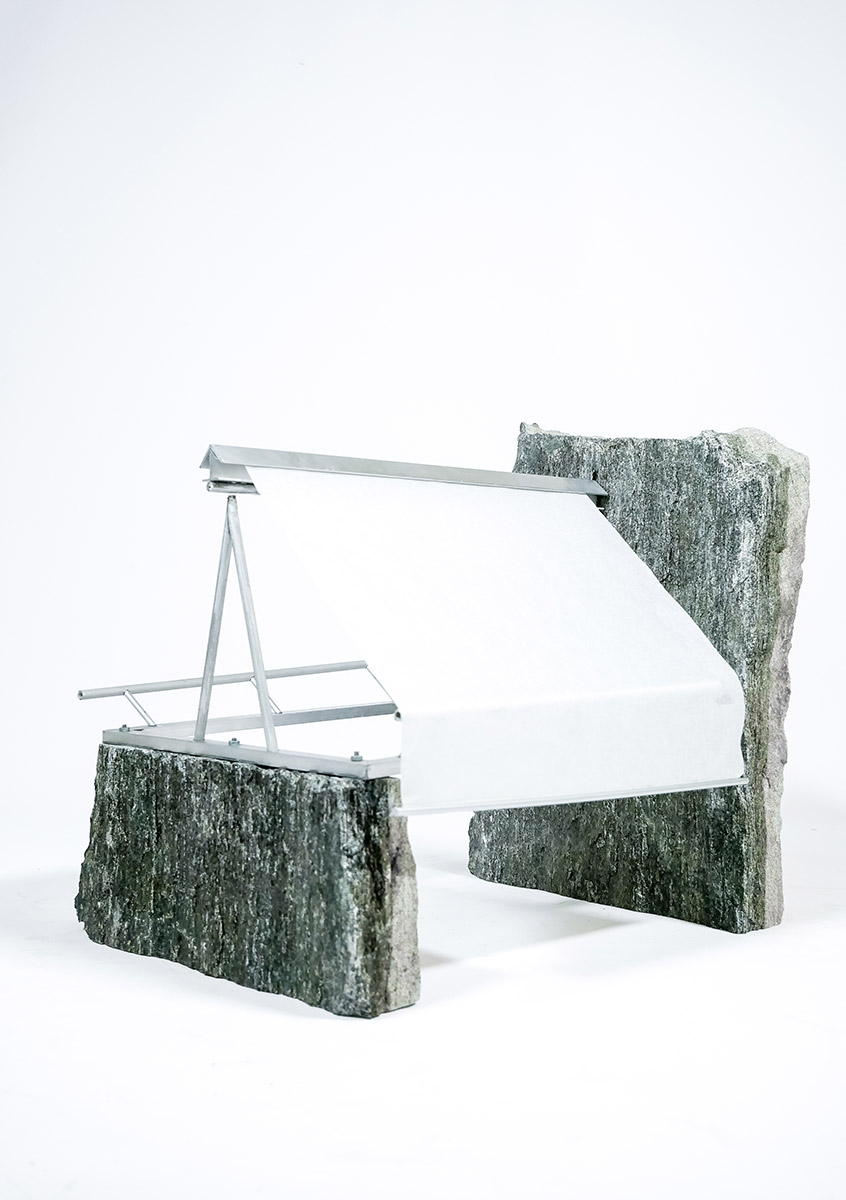
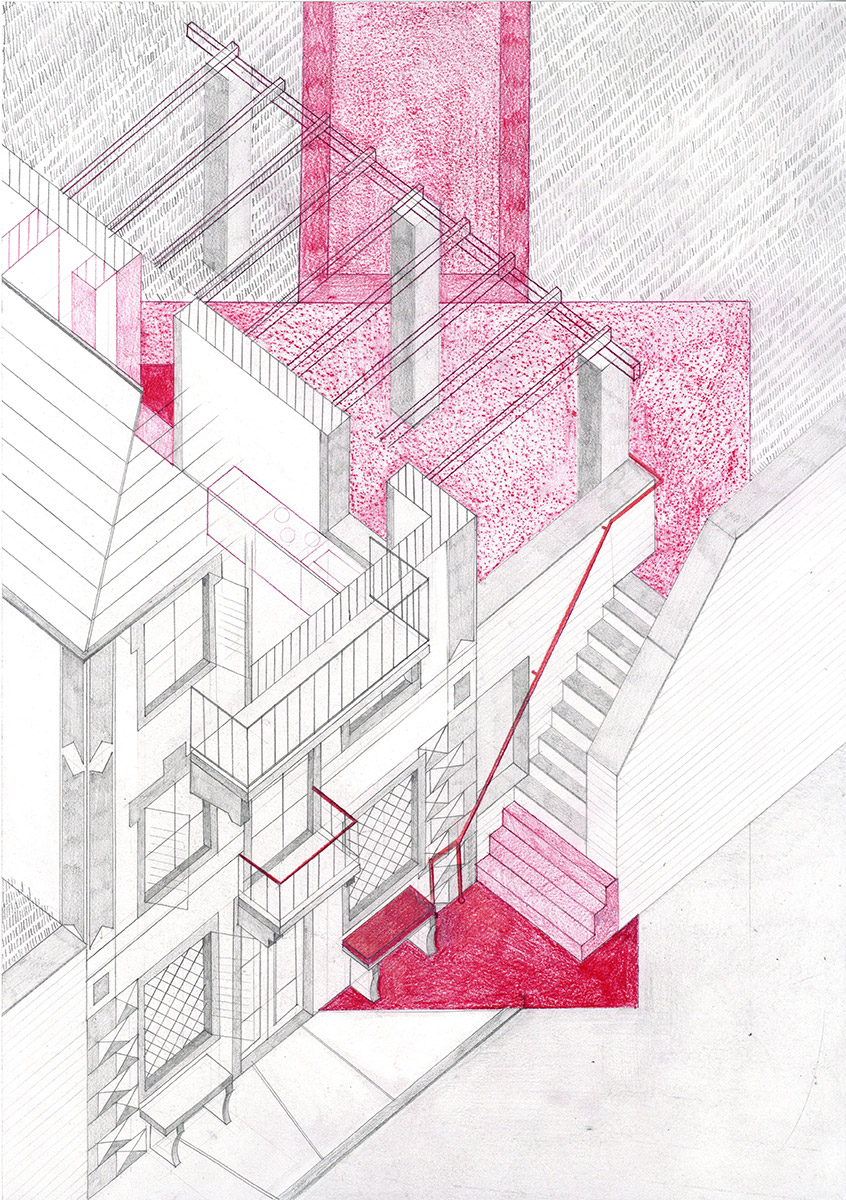
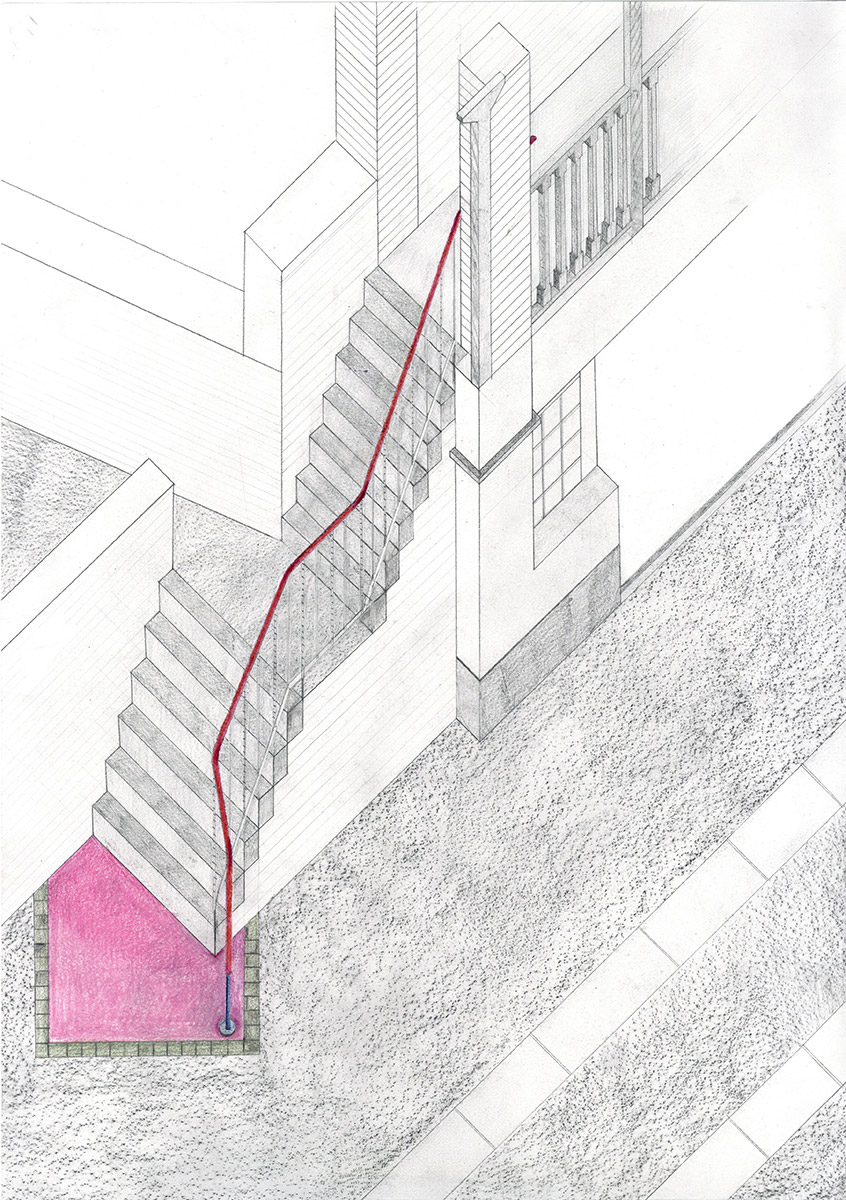
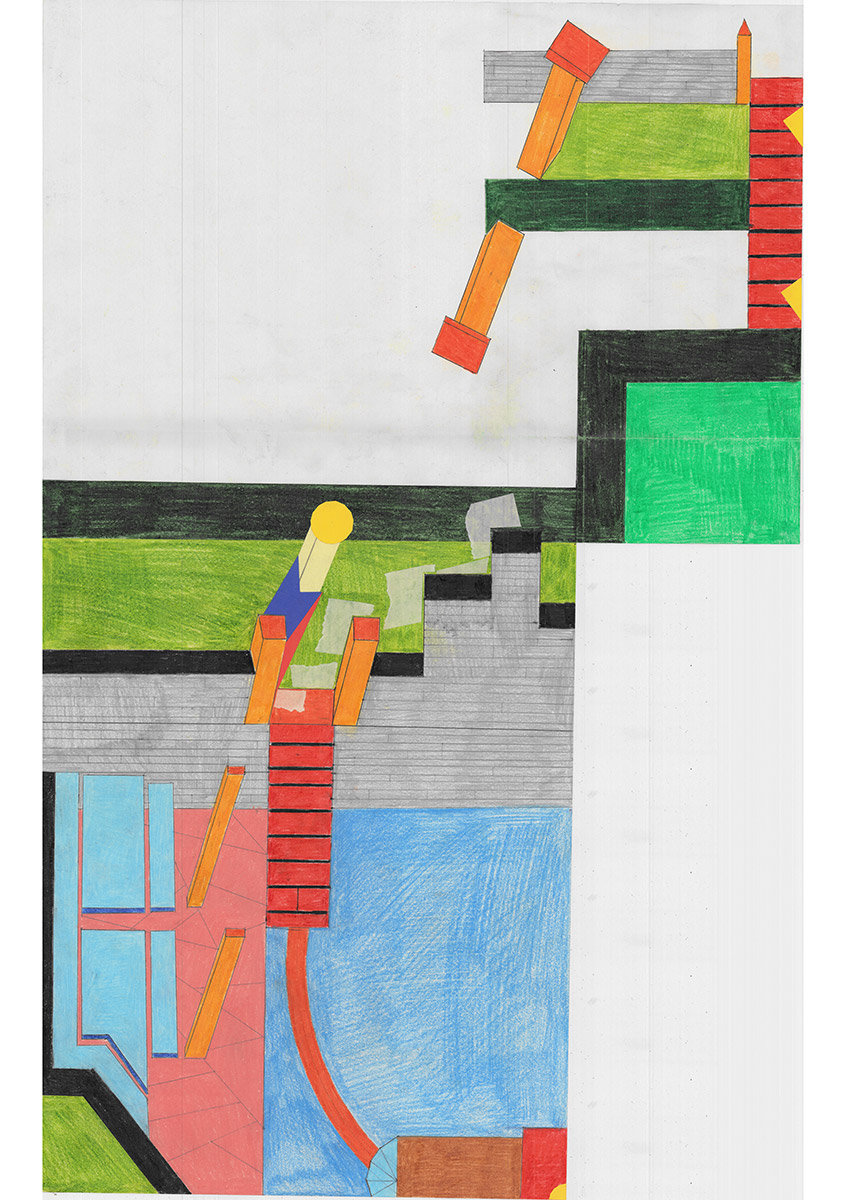
Project 3
Monte
Ticino
2022
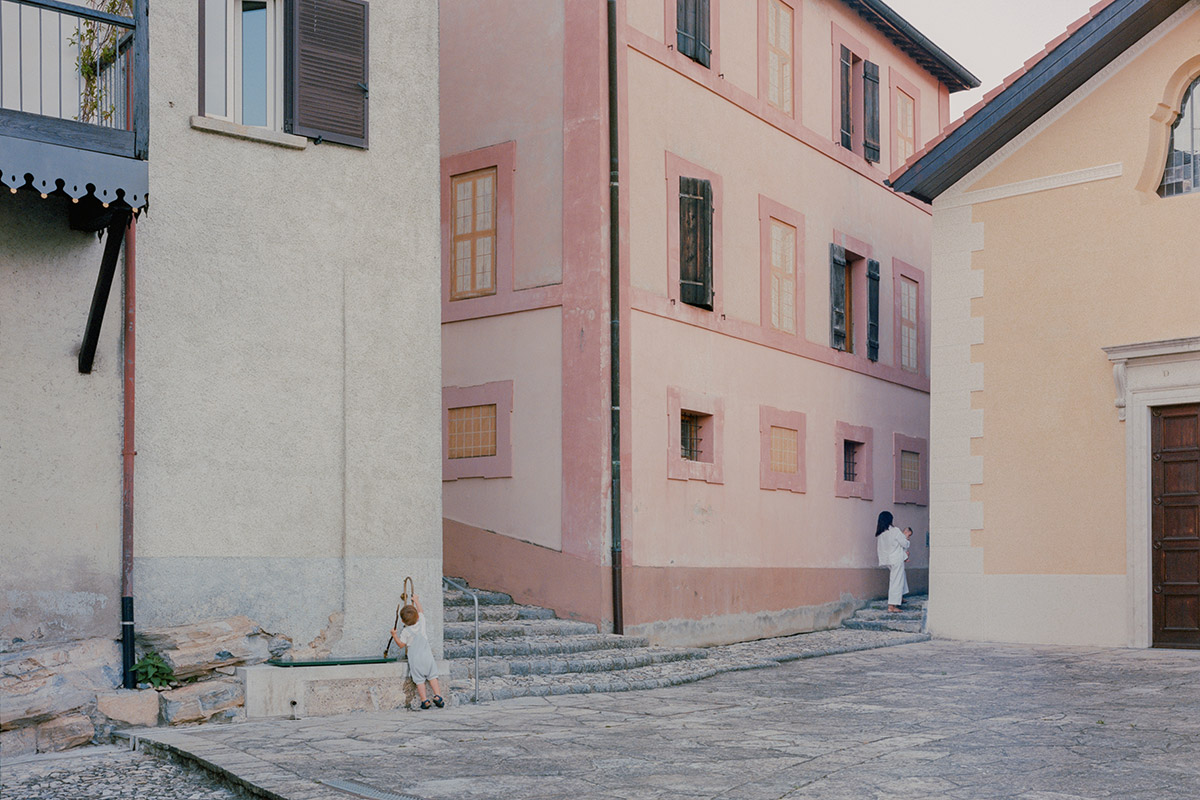
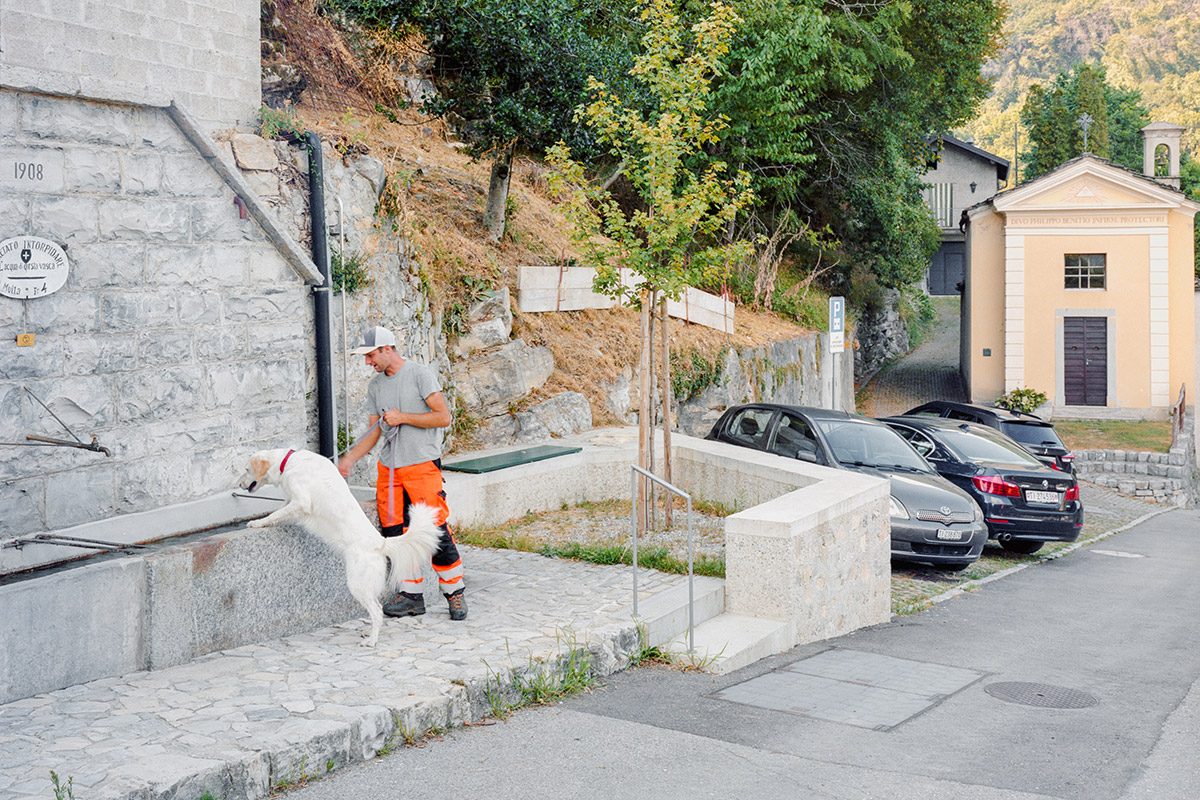
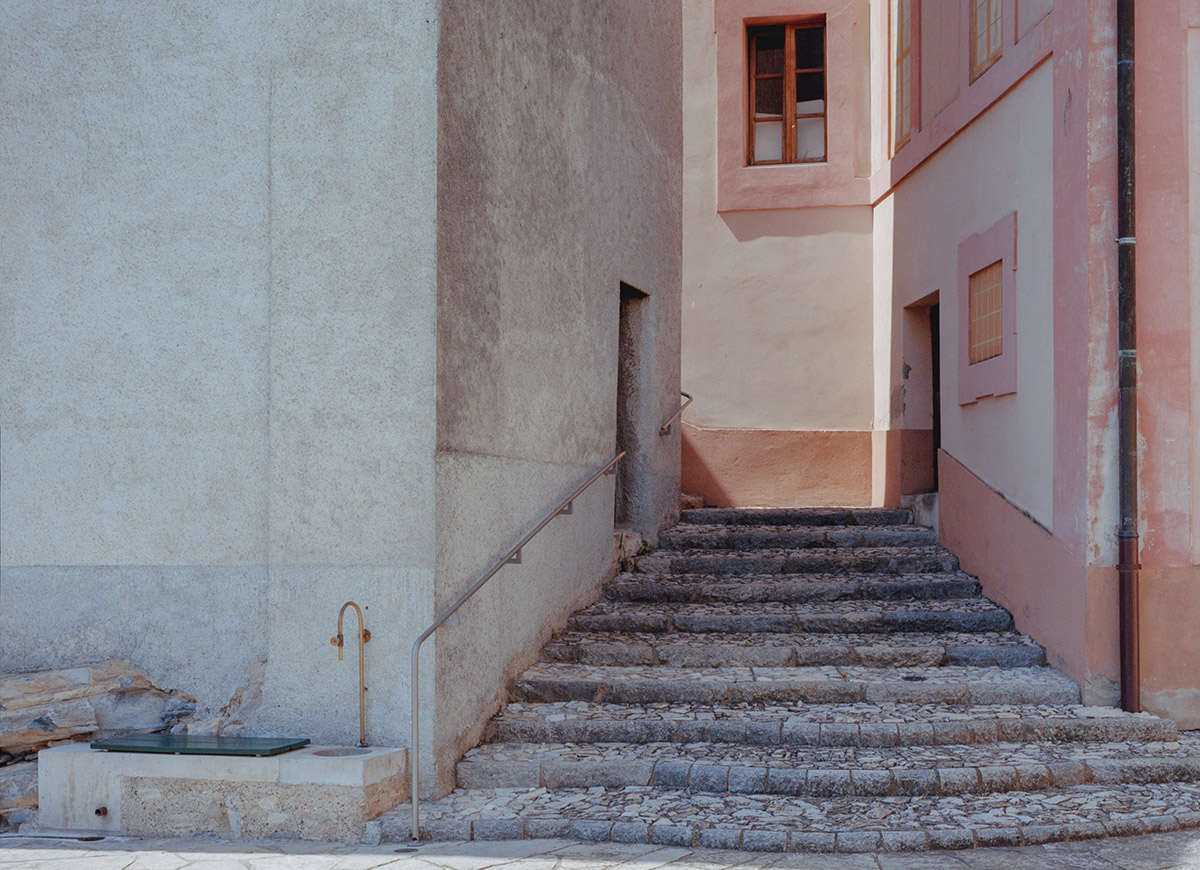
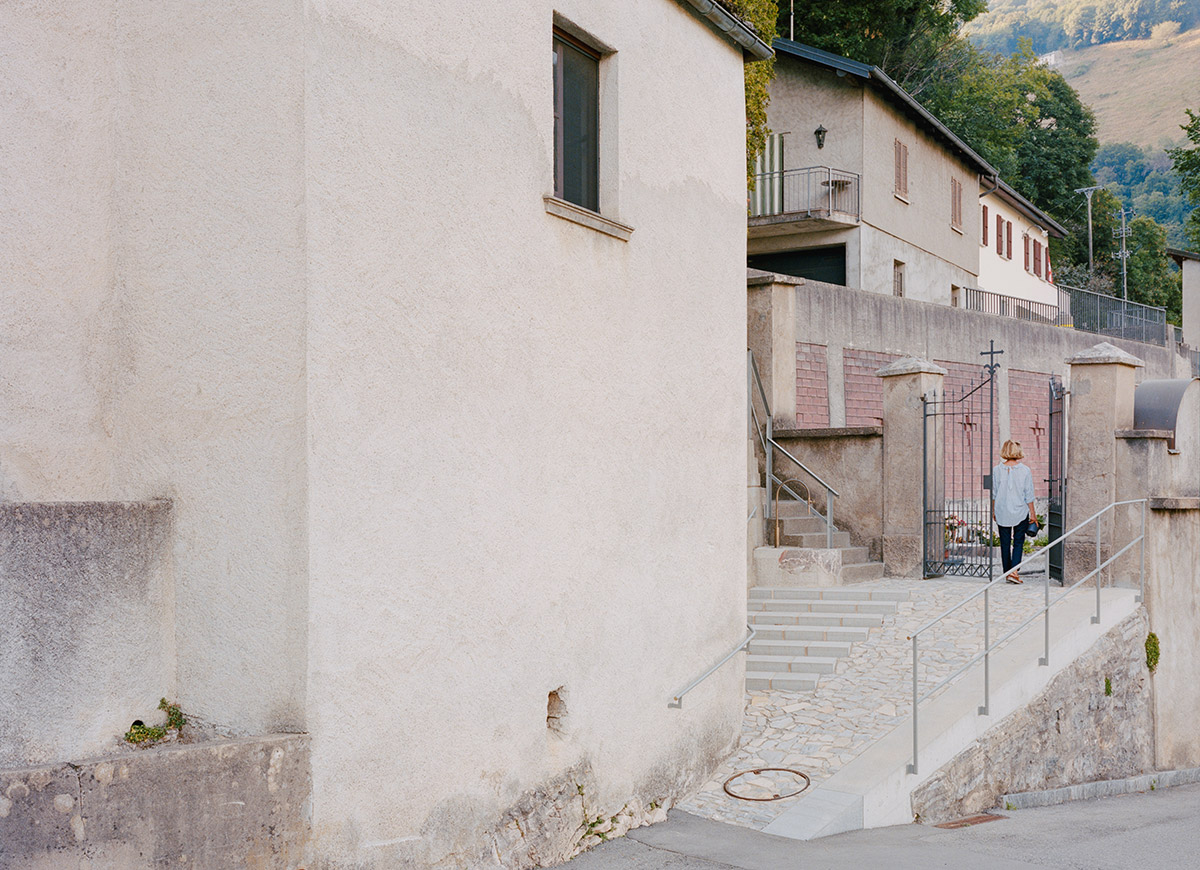
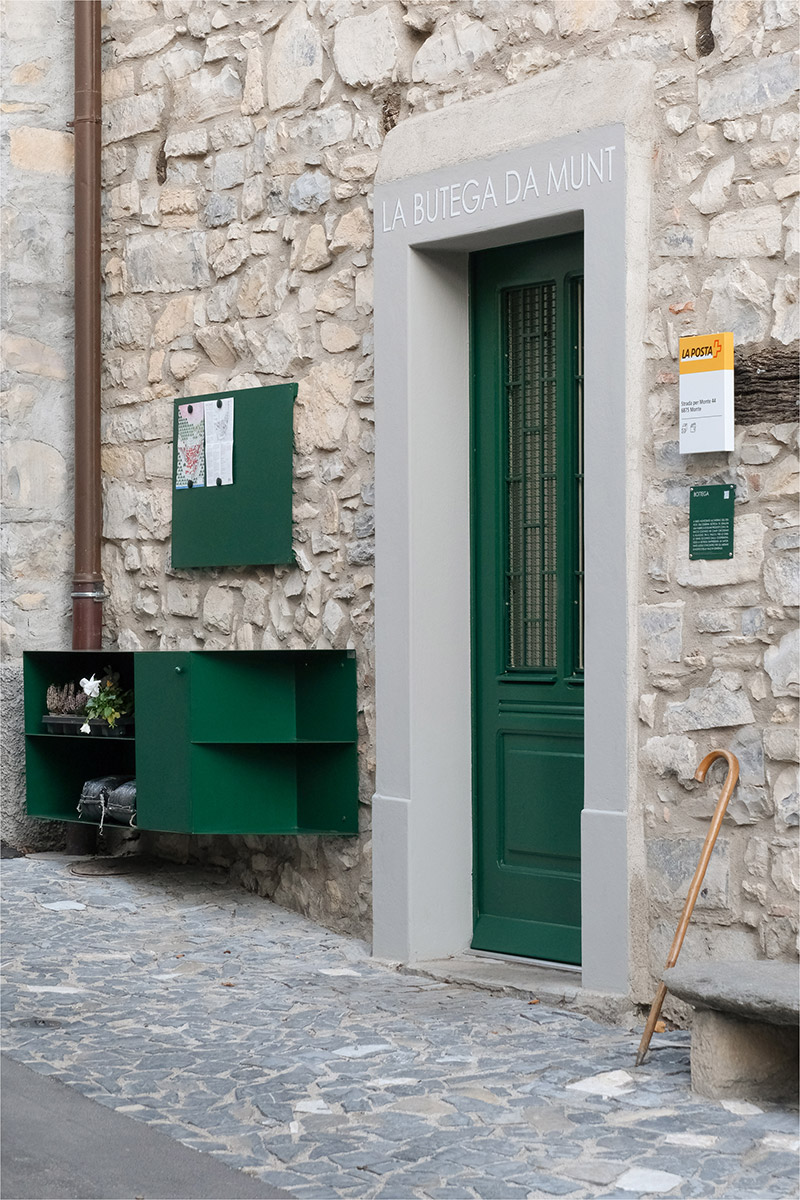
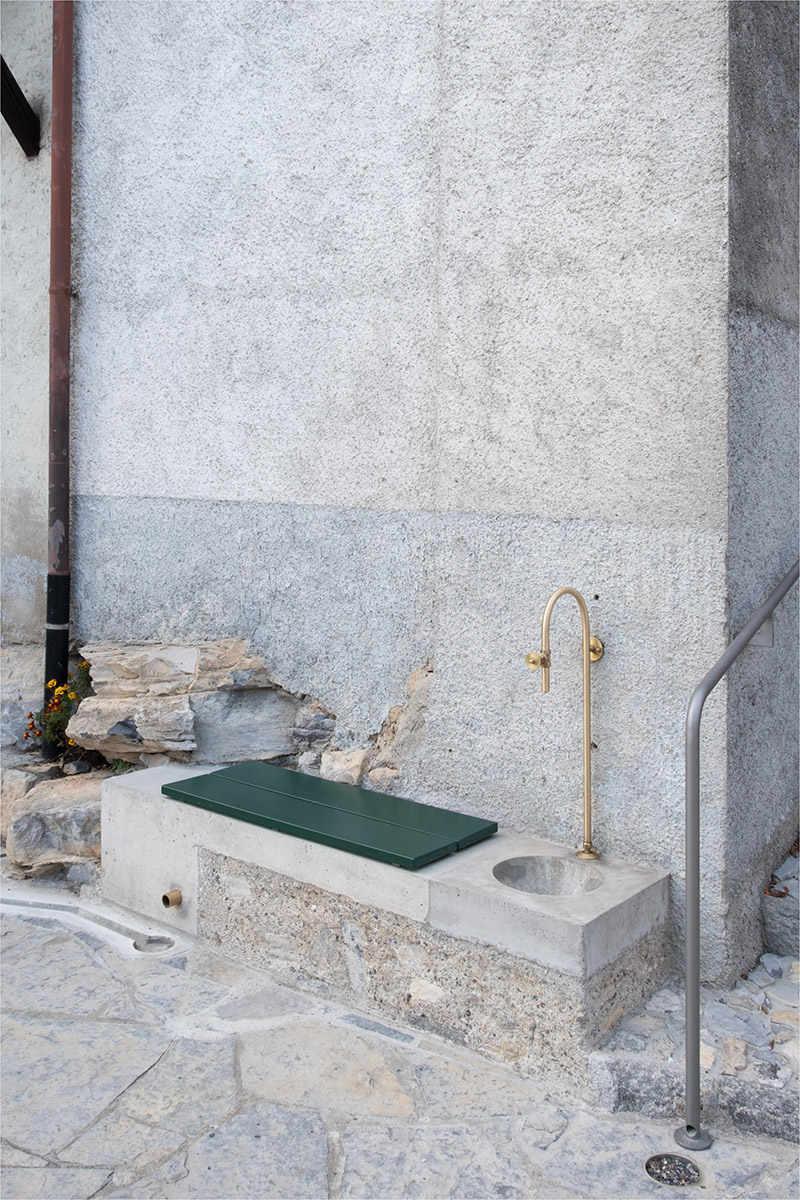
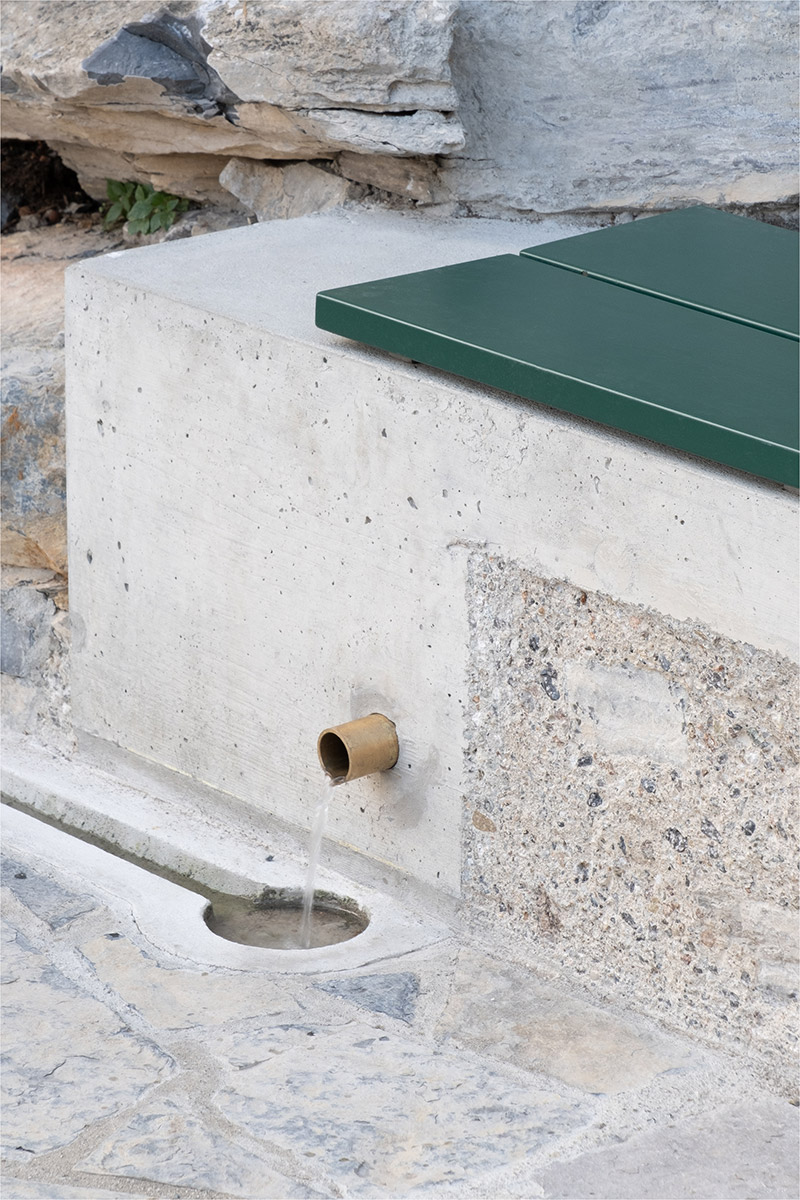
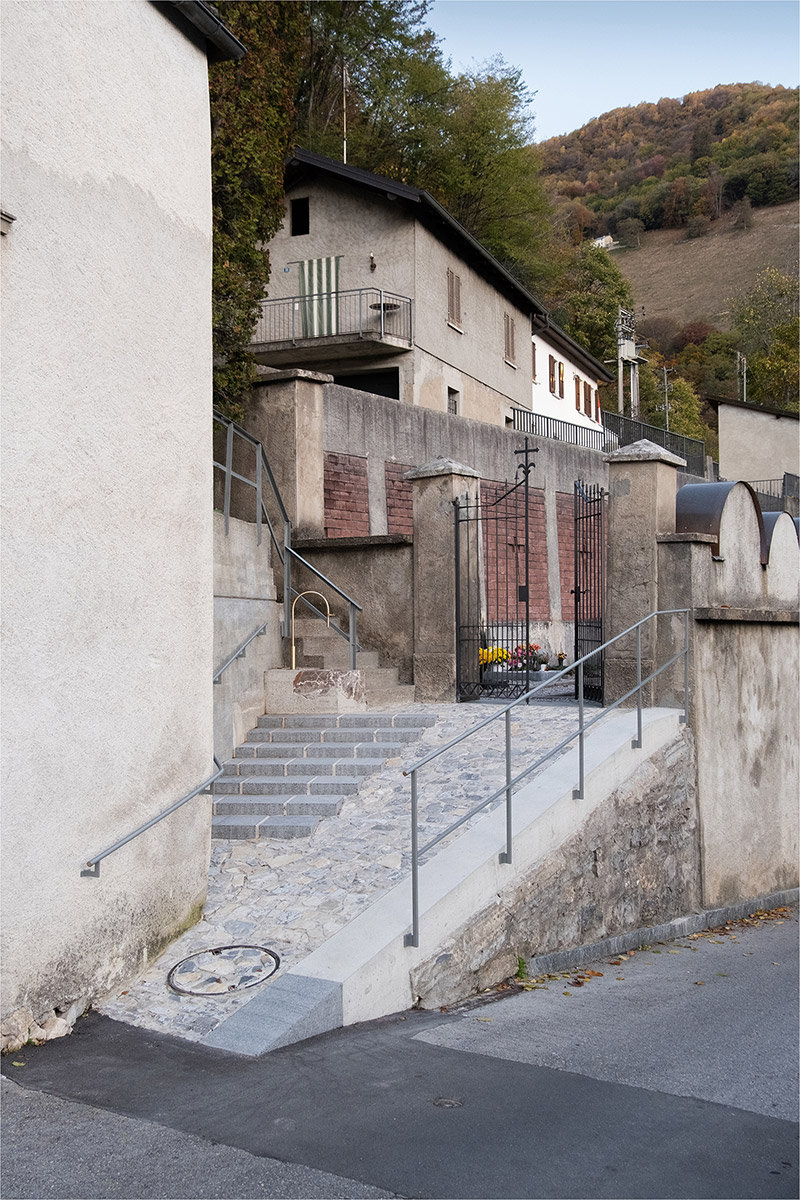
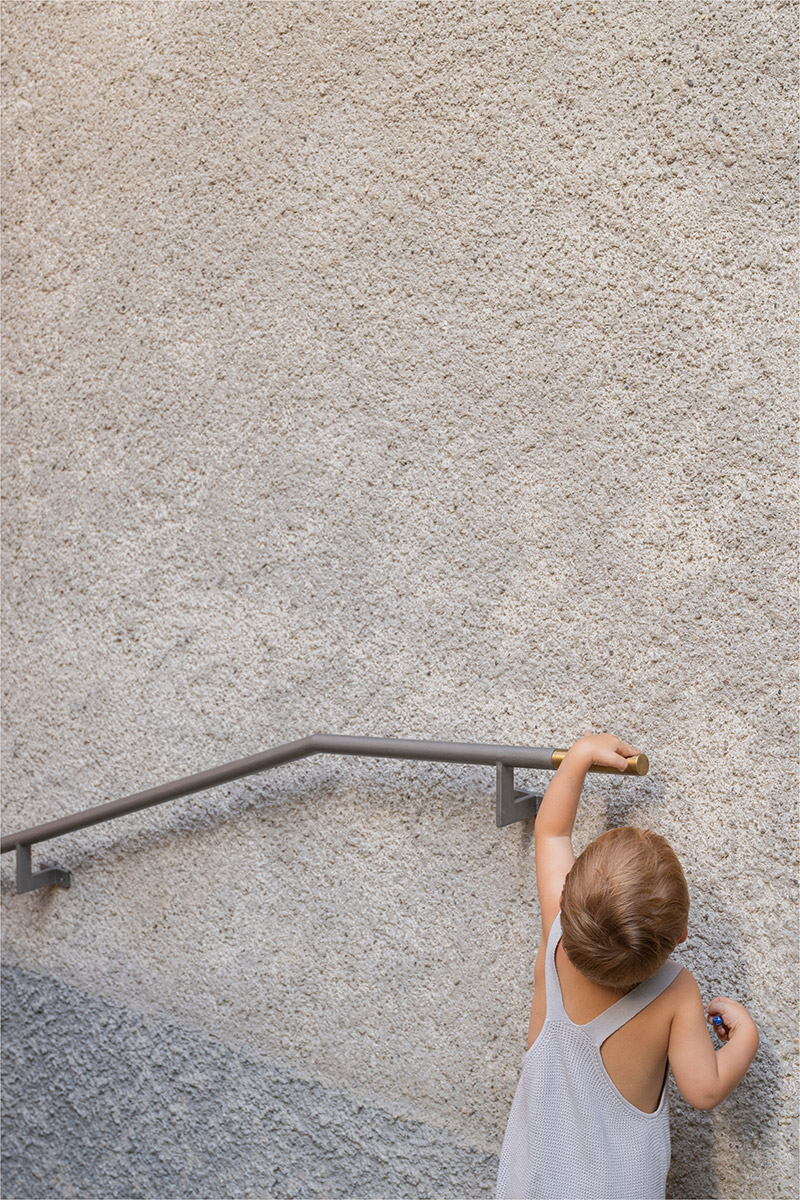
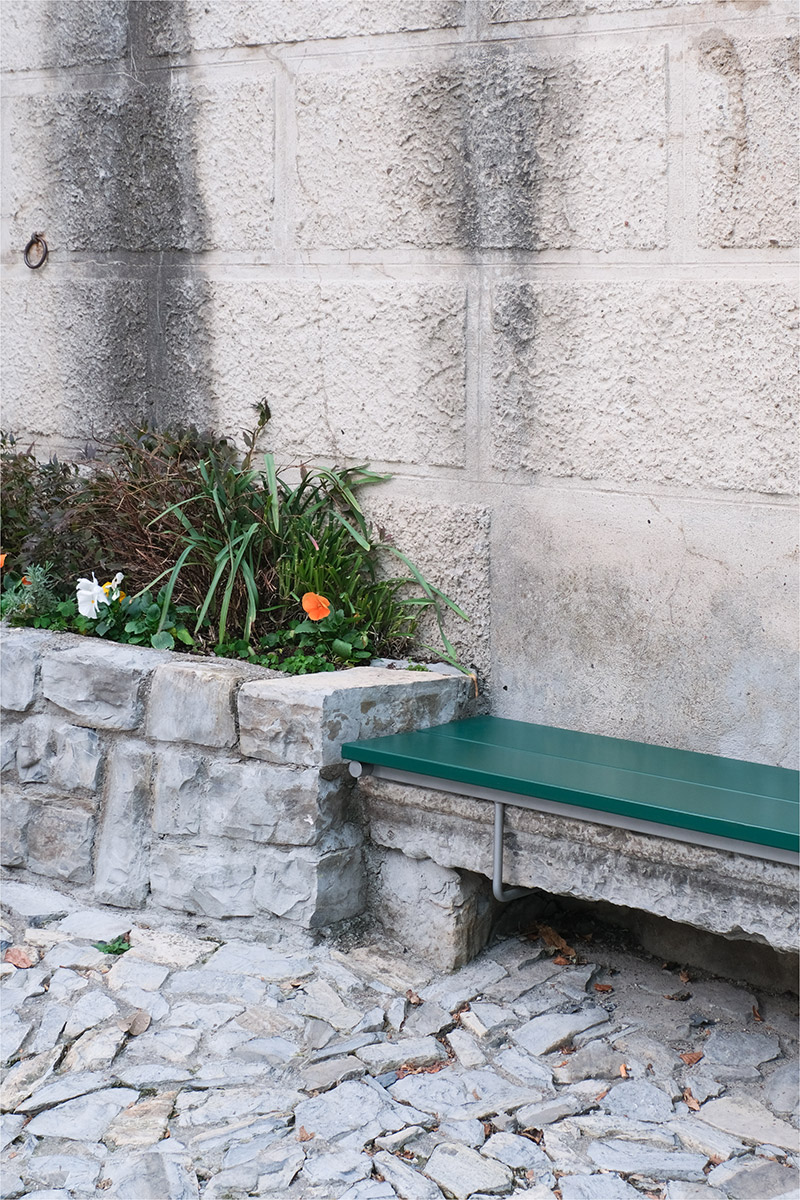
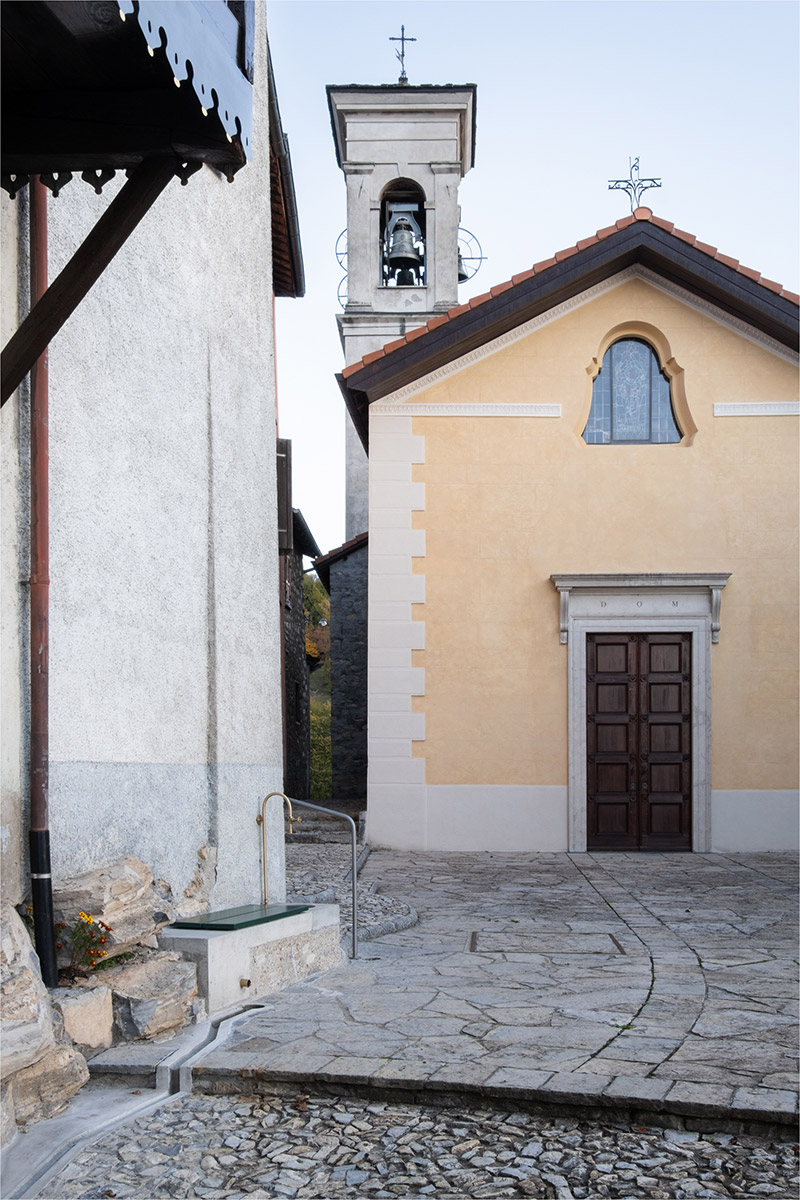
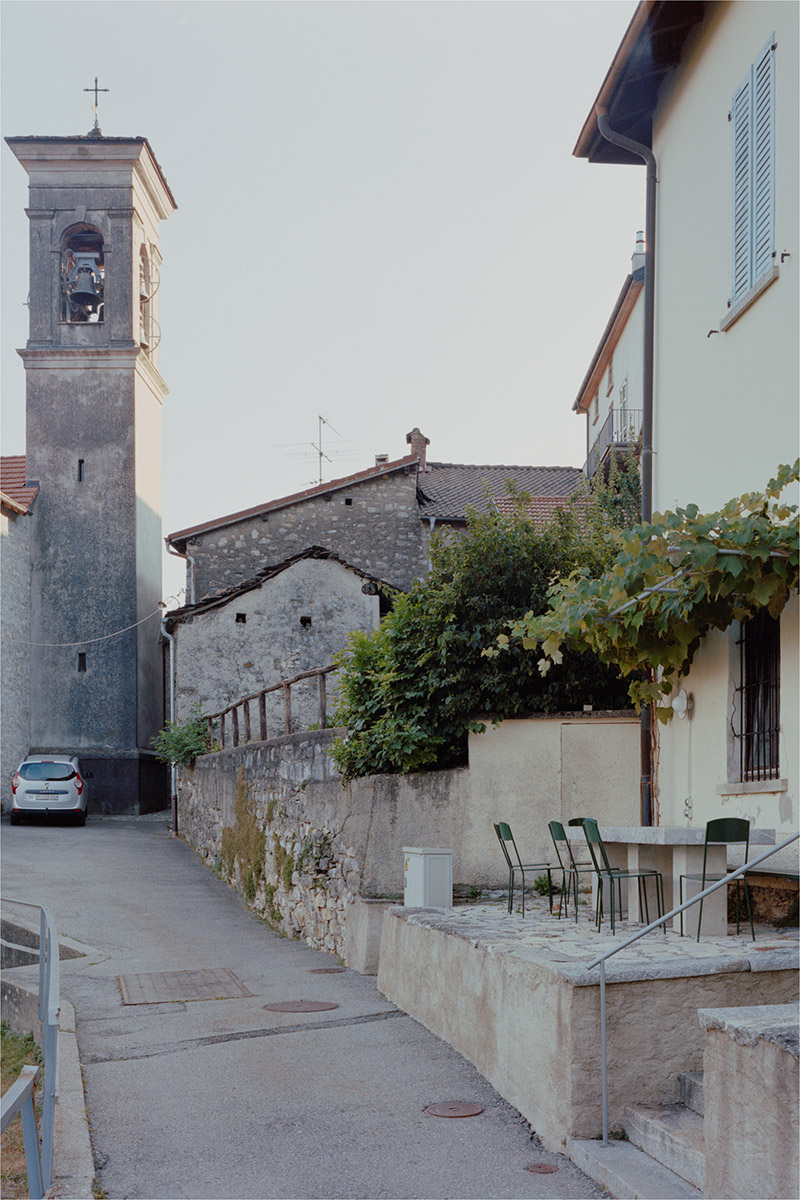
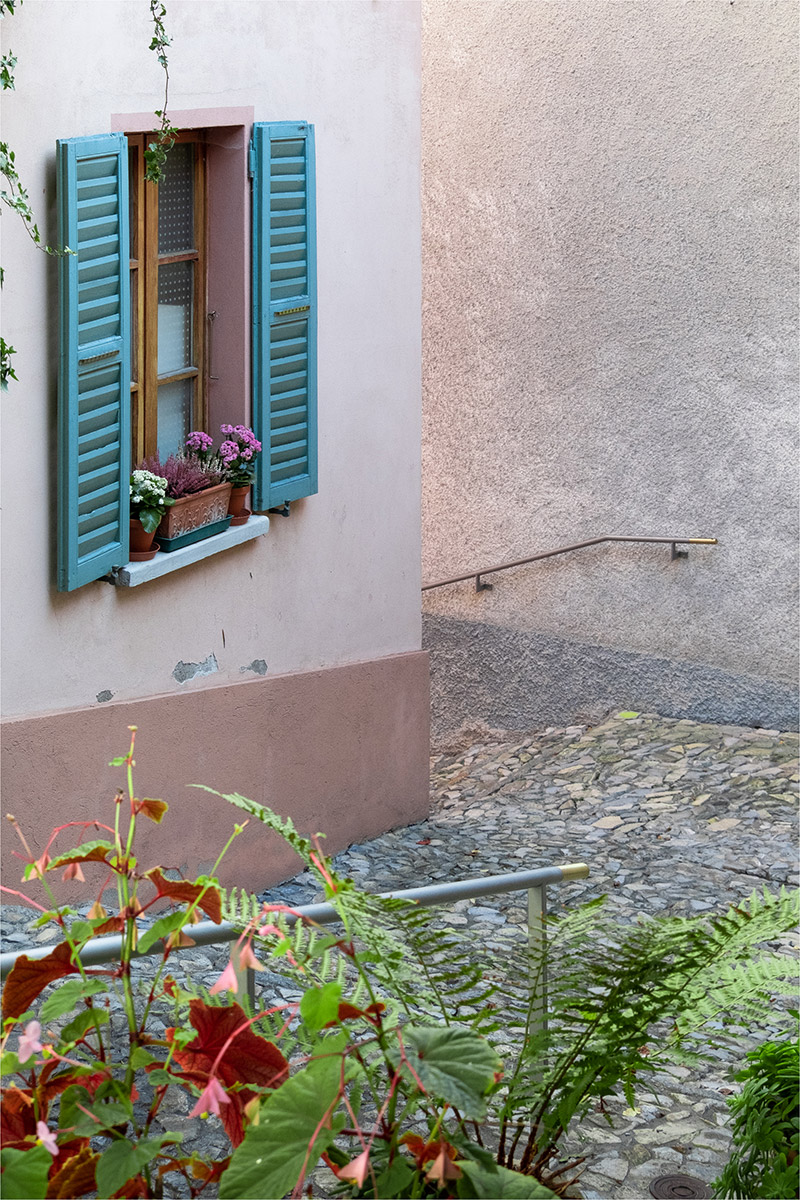
Monte is a small village of roughly one hundred inhabitants in the Valle di Muggio, in Ticino. The brief was simple on paper: improve the quality of life for its elderly residents. What it required in practice was something far more layered. Before a single intervention was designed, months were spent in the village – observing daily routines, listening, mapping the social fabric, understanding what already held the place together.
The response took the form of seven small, precise architectural interventions distributed across the public space of the village, forming an intergenerational path that connects the needs of its older inhabitants with the broader urban, landscape and social dimensions of the place. The aim was never to impose a new identity, but to reveal and strengthen what was already there.
Monte was the first project realised after the founding of StudioSer, and in many ways the one that shaped everything that followed.
Specifications: 2020 – 2022, Pilot project for the redevelopment of public spaces, commissioned by the Comune di Castel San Pietro, Ticino
Author: Project conceived and realised as StudioSer (Rina Rolli, Tiziano Schürch)
Photography by Federico Farinatti, Sven Högger and Francesca Iovene
Monte
Website: ofreia.ch
Instagram: @ofreia_architecture
Photo Credits: © OFREIA
Interview: kntxtr, ah+kb, 08/2026